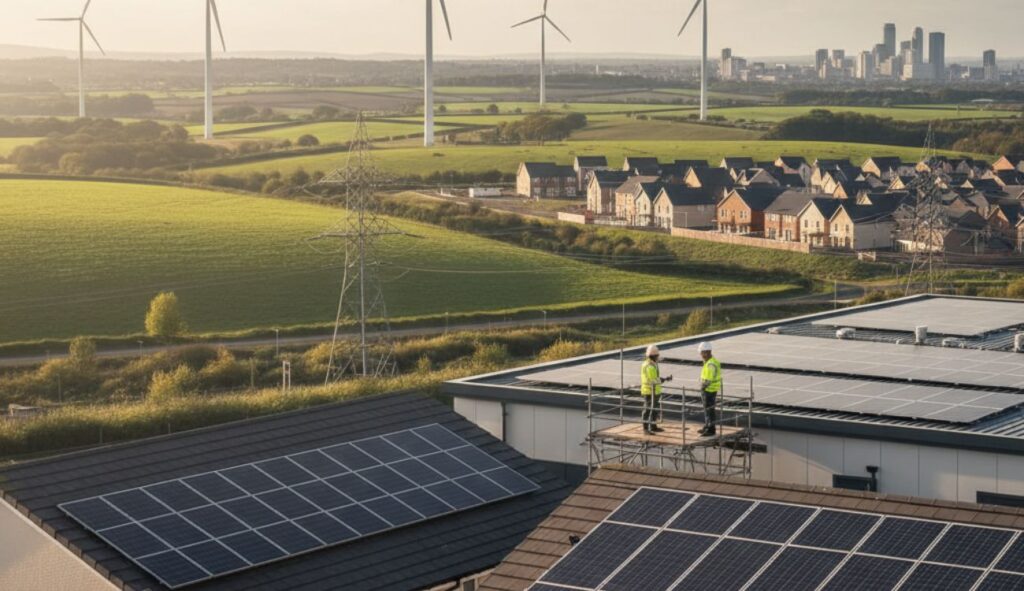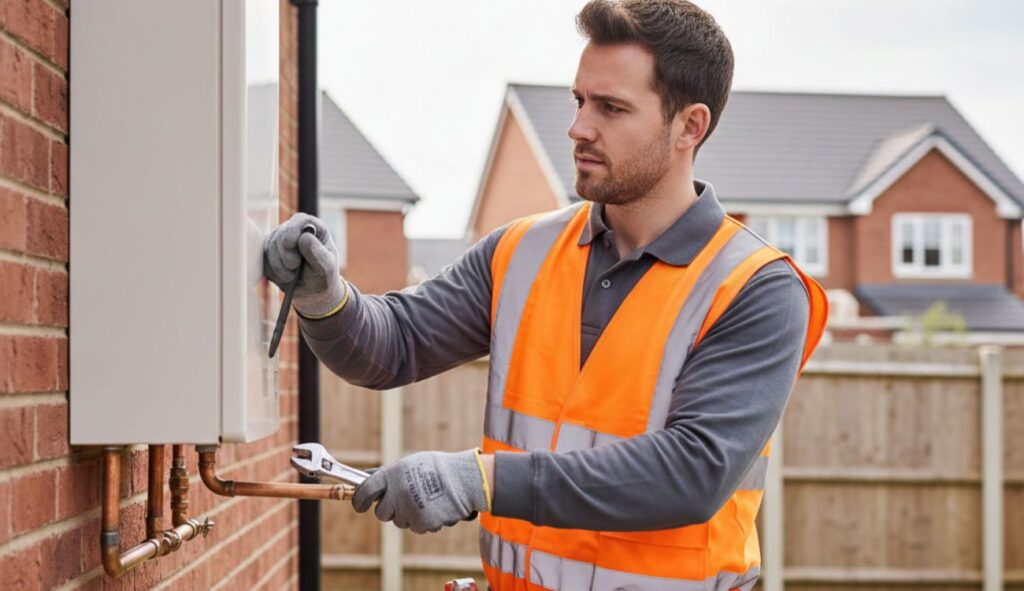

Trade careers that help the environment focus on practical skills in renewable energy, energy efficiency, and low-carbon solutions, enabling professionals to make tangible contributions to climate action without needing a university degree.
Through apprenticeships, short certifications, and targeted programmes, these roles address UK skills shortages while supporting the transition to cleaner heating, renewable power, and sustainable building practices.
Which Trade Careers That Help the Environment Are Most Impactful Today?
Trade careers that help the environment that are most impactful today include heat pump installer, solar panel installer, wind turbine technician, insulation installer, electrician specialising in renewables, plumber transitioning to low-carbon systems, EV charging point installer, and green roofer, all playing key parts in cutting emissions and boosting energy efficiency.
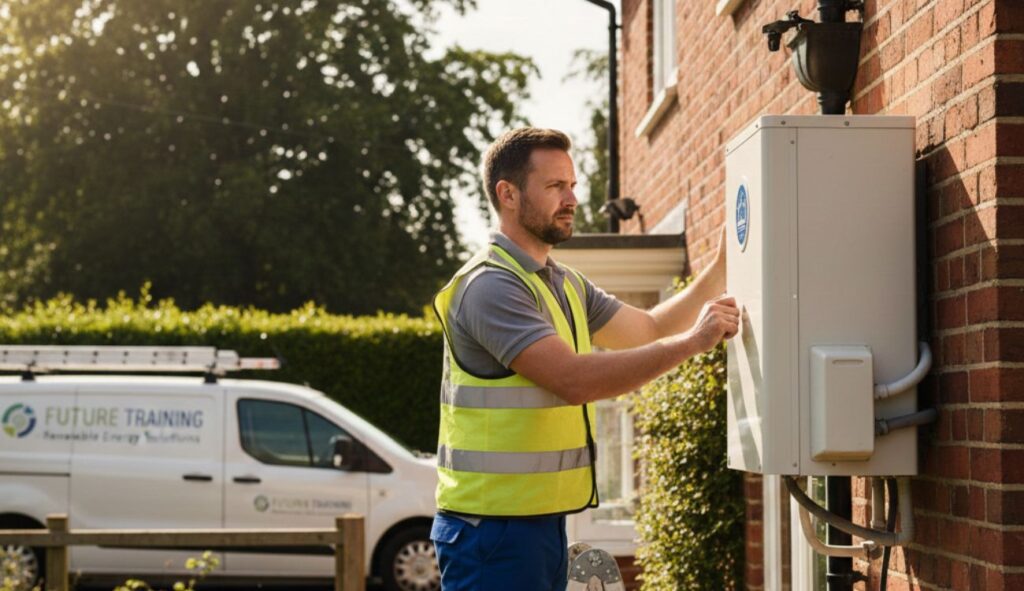
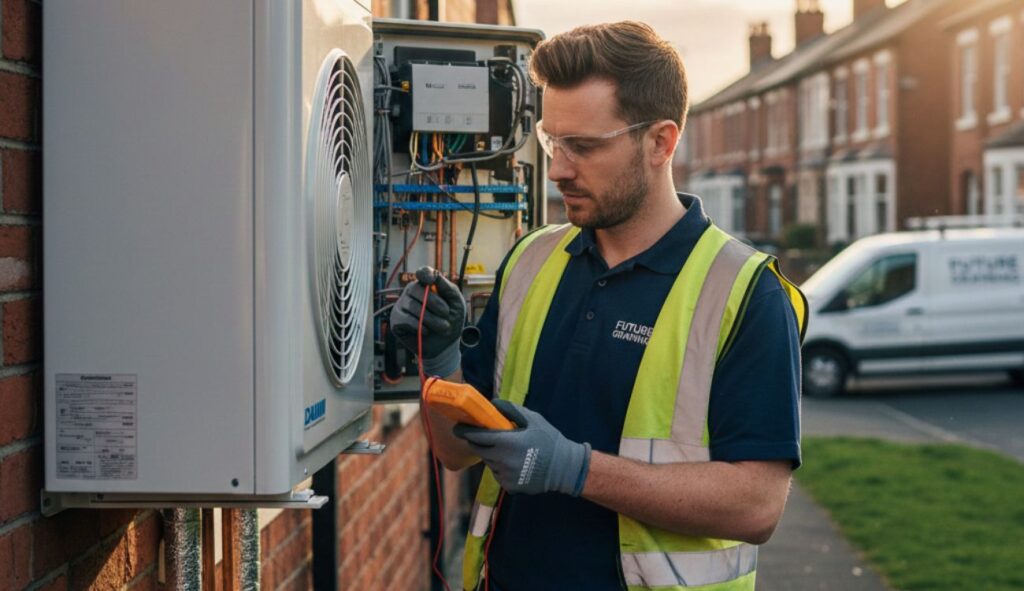
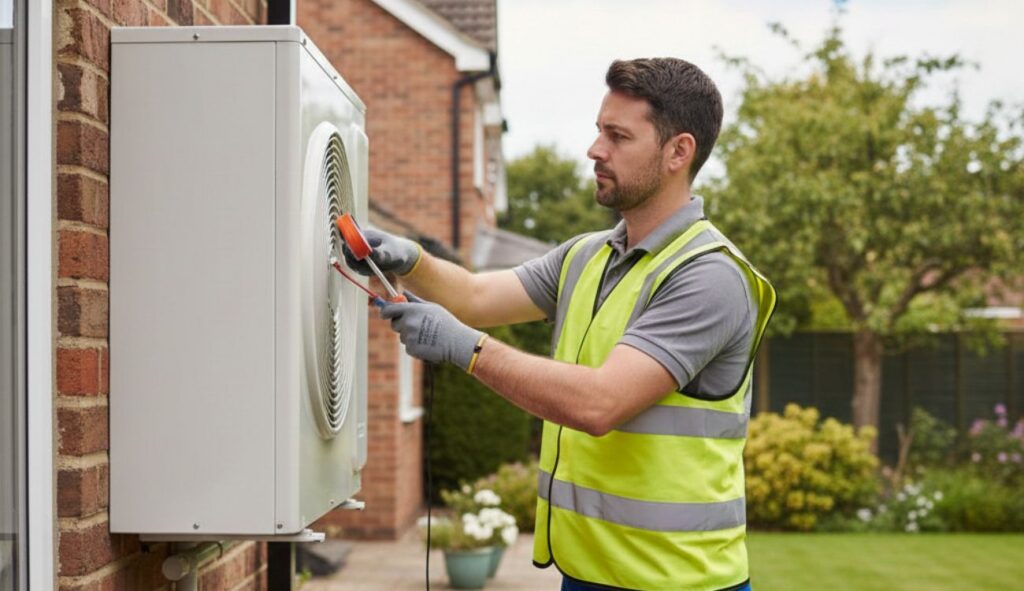
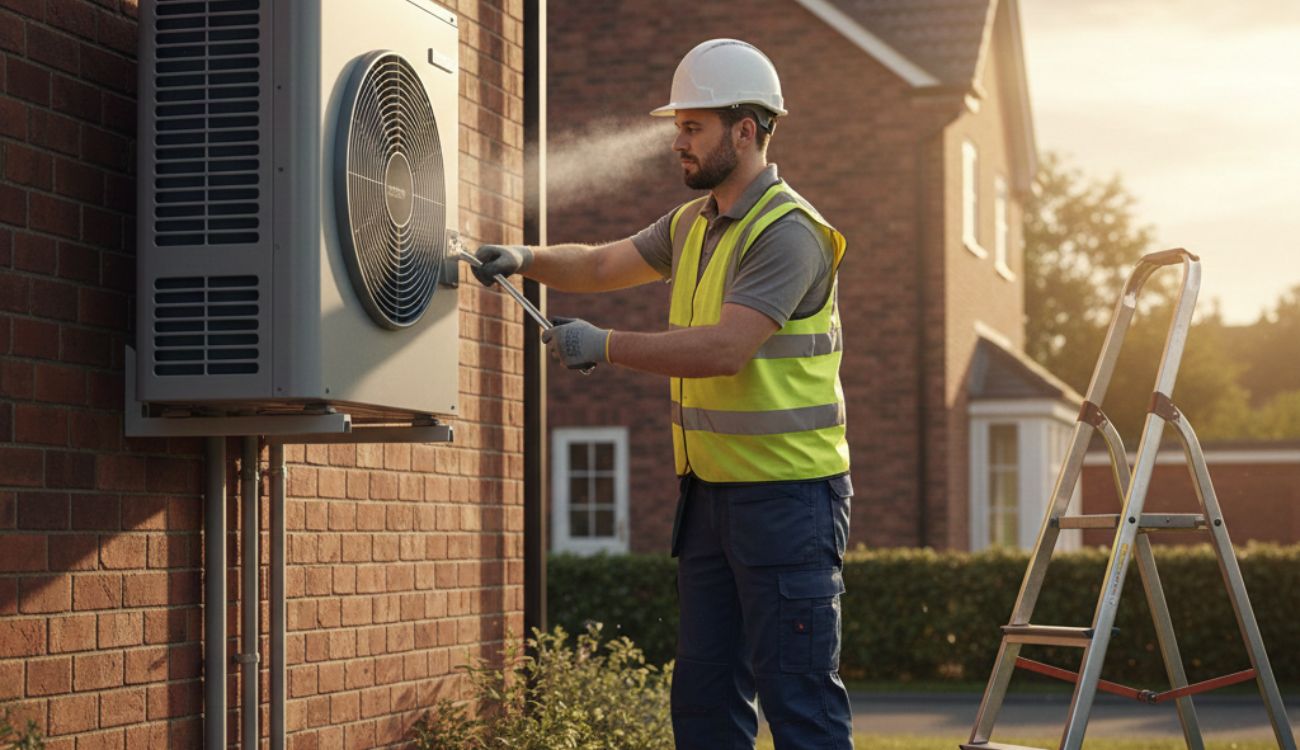
Heat pump installation leads due to its direct role in replacing fossil fuel heating. Future Group Training’s BPEC-accredited Domestic Air Source Heat Pump 3-Day Course (£654, grant available, up to 15% savings) delivers intensive hands-on training in installation, commissioning, maintenance, and fault diagnosis of domestic air source heat pumps.
Held in Newcastle, this course equips you to tackle installer shortages and support widespread low-carbon adoption—enrol today to launch a rewarding career that actively reduces household emissions and offers salaries up to £75,000 for experienced professionals.
1. Heat Pump Installer – Leading the Shift to Low-Carbon Heating
Heat pump installer is a premier trade career that helps the environment by enabling efficient, electric-powered heating that slashes carbon emissions compared to gas boilers. No degree required—just specialised BPEC training for entry into this growing sector.
Future Group Training’s Low Temperature Hot Water Heating Systems 2-Day Course (£474, saving £76 from £550) covers design, installation, commissioning, and maintenance of energy-efficient low-temperature systems optimised for heat pumps.
This course suits those upskilling or transitioning from traditional heating. With government targets driving massive demand, this qualification positions you for stable, impactful work—sign up now to contribute to net zero while enjoying strong earning potential.
[/vc_column_text][/vc_column][/vc_row]2. Solar Panel Installer – Harnessing Renewable Solar Energy
Solar panel installer is a vital trade career that helps the environment through deploying photovoltaic systems that generate clean electricity and reduce reliance on fossil fuels. Vocational certifications provide quick entry to this expanding field.
3. Wind Turbine Technician – Maintaining Onshore and Offshore Renewables
Wind turbine technician supports environmental goals by servicing turbines that produce substantial renewable power, cutting greenhouse gases significantly. Practical training ensures competence in this specialised trade.
4. Insulation Installer – Enhancing Building Energy Efficiency
Insulation installer aids the environment by retrofitting homes and buildings to minimise heat loss, lowering energy use and emissions. This role aligns with retrofit programmes for greener properties.
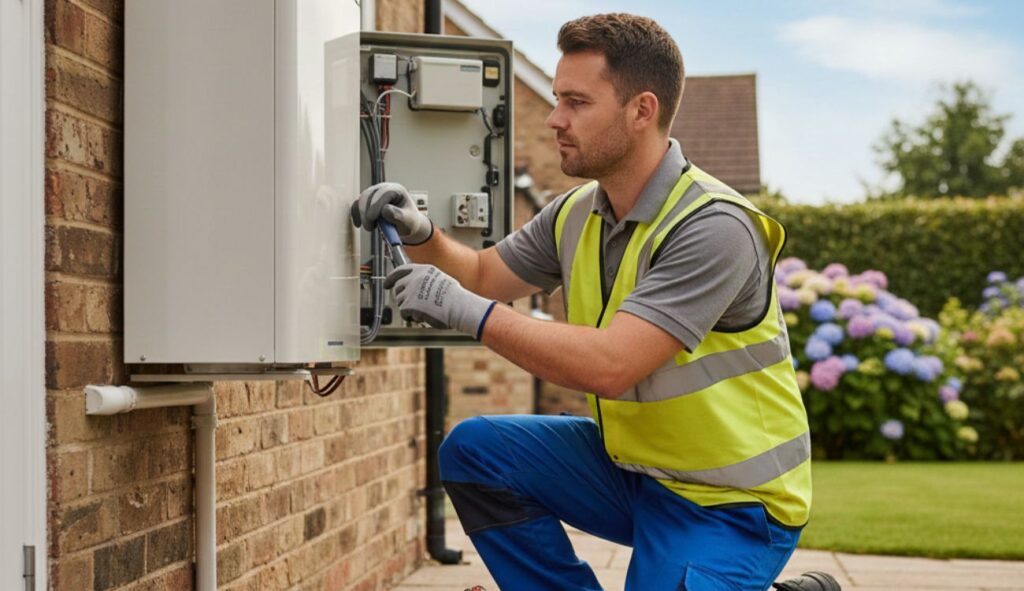
5. Renewable Electrician – Wiring for Clean Energy Systems
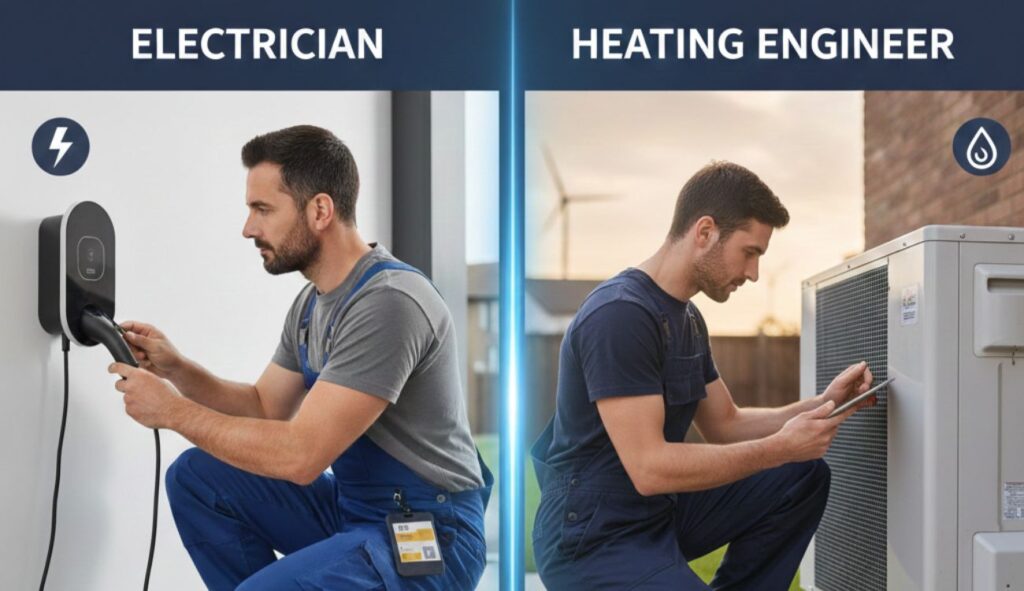
Renewable electrician specialises in installing and maintaining electrical setups for solar, heat pumps, and EV infrastructure, directly facilitating the shift to sustainable power.
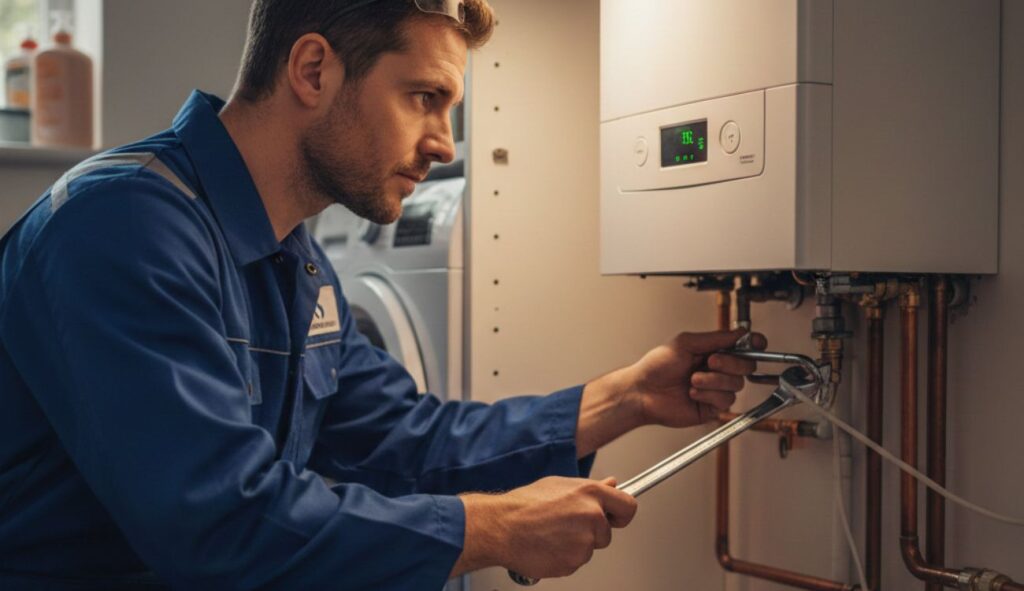
6. Low-Carbon Plumber – Adapting Systems for Efficiency
Low-carbon plumber transitions traditional skills to install efficient hot water and heating solutions compatible with renewables, reducing water and energy waste.
7. EV Charging Point Installer – Supporting Electric Transport
EV charging point installer promotes environmental benefits by enabling widespread electric vehicle adoption, decreasing transport emissions through accessible charging networks.
8. Green Roofer – Integrating Eco-Friendly Roofing Solutions
Green roofer incorporates sustainable materials, living roofs, and solar integration to improve insulation and biodiversity while lowering building carbon footprints.
How Do Future Group Training’s Courses Empower These Environmental Trade Careers?
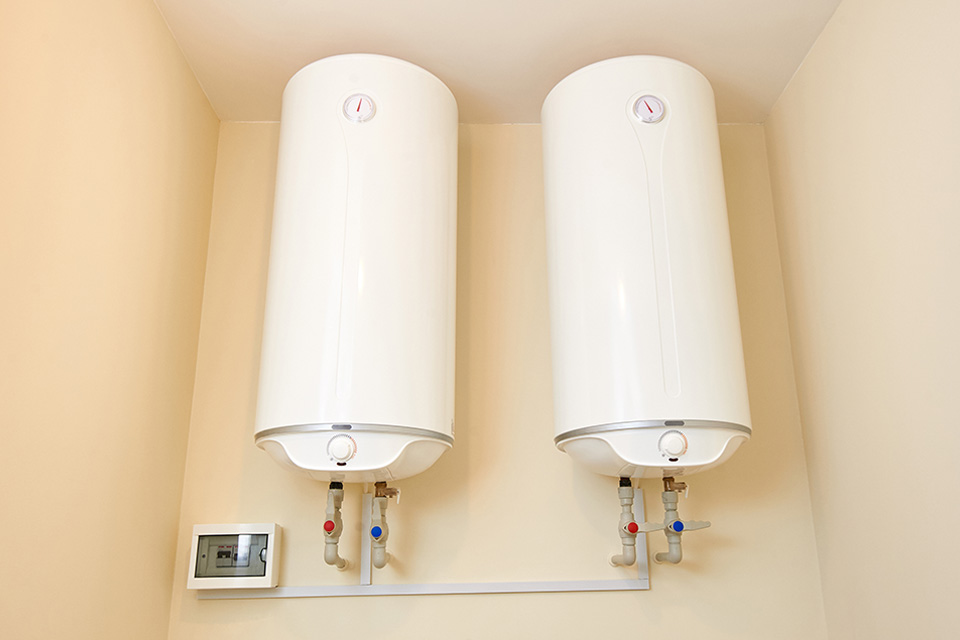
Future Group Training empowers environmental trade careers through targeted BPEC-certified training that addresses critical shortages in low-carbon heating. Their Domestic Hot Water Storage Systems (Unvented) G3 1-Day Course (£288, saving £46 from £334) teaches compliant design, installation, servicing, and maintenance of unvented systems essential for heat pump compatibility.
Aligned with net zero initiatives and schemes like the Boiler Upgrade Scheme, these programmes (with savings up to 15%) prepare you for meaningful roles that protect the planet—enrol today to gain the skills for a fulfilling, high-impact trade career.
[/vc_column_text][/vc_column][/vc_row]FAQs
What government incentives support training for environmental trade roles?
The Skills England initiative and Adult Education Budget often fund or subsidise courses in priority green occupations, reducing costs for learners entering fields like low-carbon heating.
How do heat pump careers compare to traditional trades in terms of physical demands?
Heat pump work typically involves similar lifting and access challenges but fewer emergency call-outs, with more planned daytime installations and opportunities for indoor system commissioning.
Are there opportunities for women or underrepresented groups in green trades?
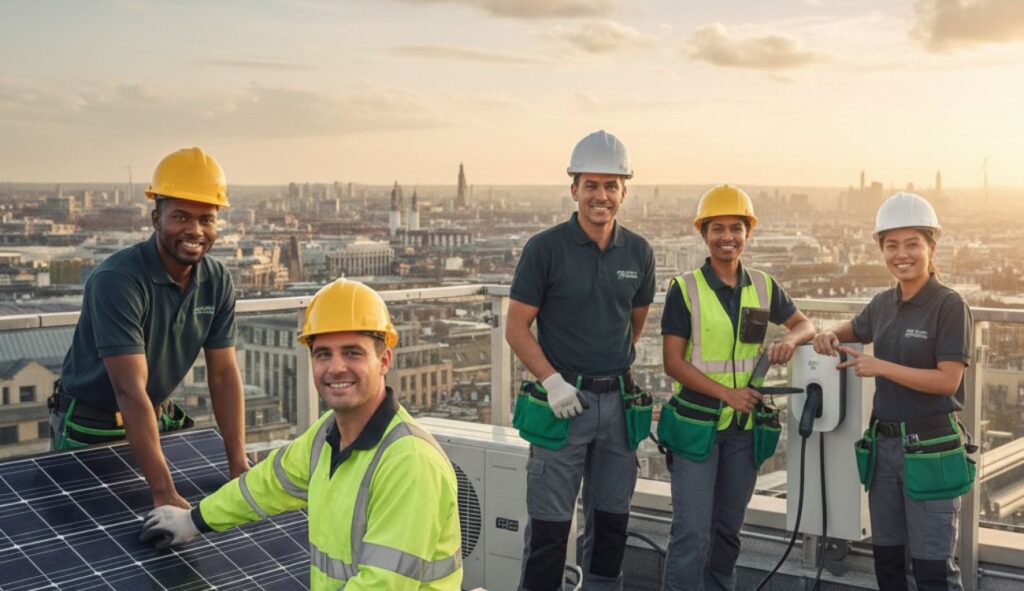
Initiatives like targeted apprenticeships and diversity programmes in renewables aim to increase participation, with many providers offering flexible training to broaden access to sustainable careers.
What hybrid skills combine traditional trades with environmental impact?
Combining plumbing or electrical qualifications with heat pump training allows specialists to offer full retrofit packages, including insulation upgrades and renewable integrations, for comprehensive eco-upgrades.
How does ongoing training ensure long-term relevance in green trades?
Annual CPD requirements (often 10-20 hours) cover evolving technologies, regulations, and efficiency standards, maintaining certification eligibility and access to grant-funded installations.
[/vc_column_text]