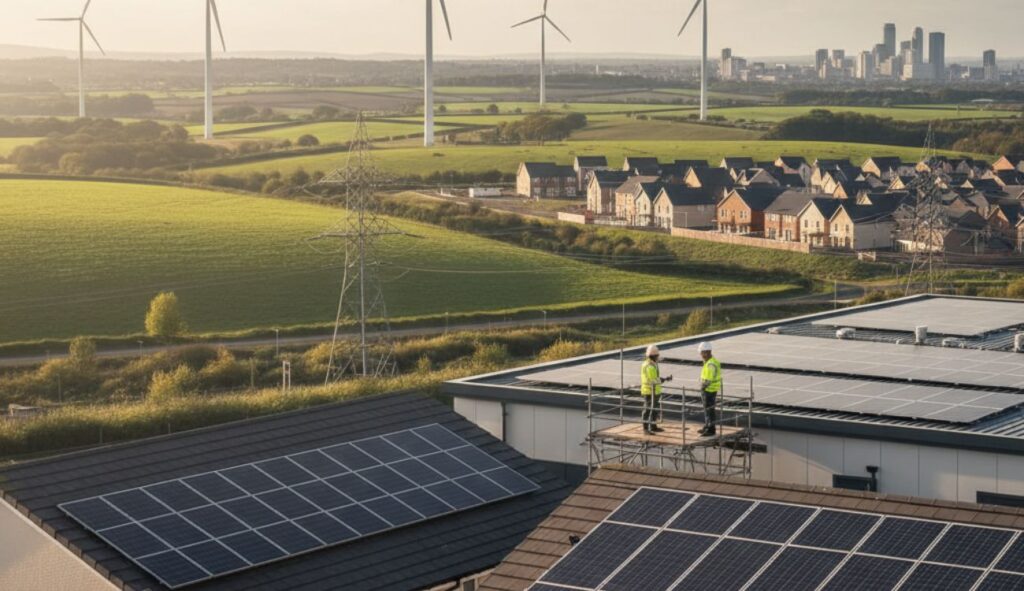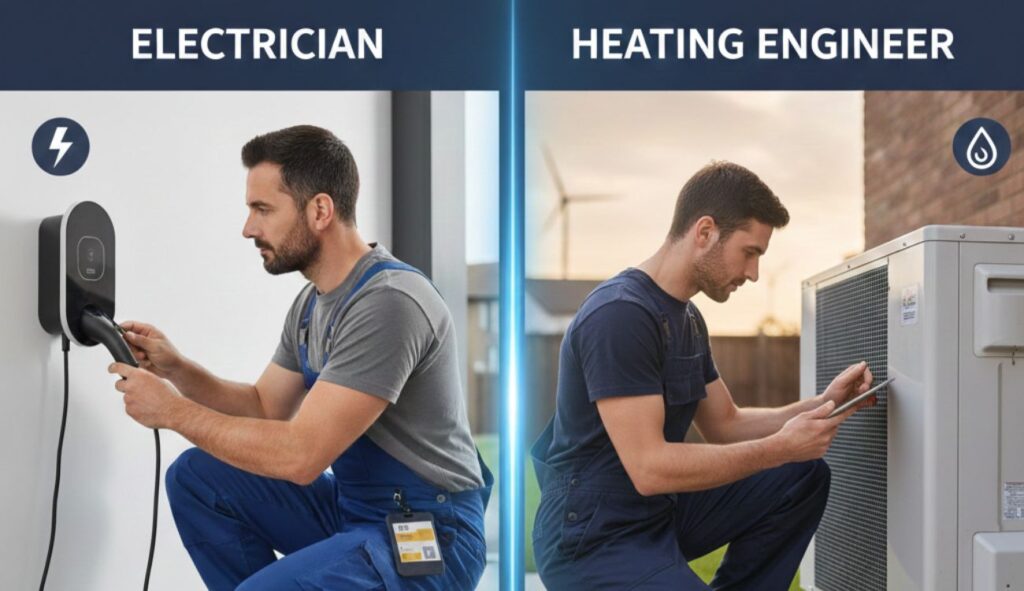

Trade jobs in renewable energy offer excellent prospects for skilled professionals in the UK, particularly in sustainable heating, solar, and energy efficiency sectors.
Amid persistent demand for qualified installers to support net zero targets and schemes such as the Boiler Upgrade Scheme, vocational training in low-carbon technologies provides a direct route to rewarding careers with salaries up to £75,000 for experienced specialists.
What Are the Best Tips for Finding Trade Jobs in Renewable Energy?
The best tips for finding trade jobs in renewable energy involve building relevant certifications, networking strategically, targeting high-growth niches like heat pump installation, and leveraging government-backed training opportunities. Start by prioritising practical qualifications that address current skills gaps.
1. Gain Industry-Recognised Certifications in Low-Carbon Heating
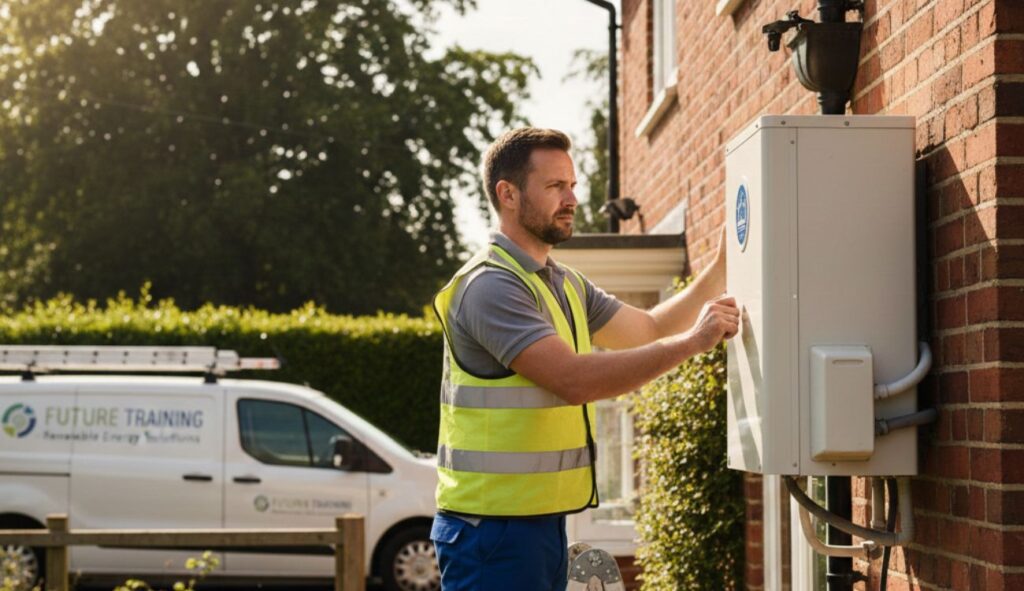
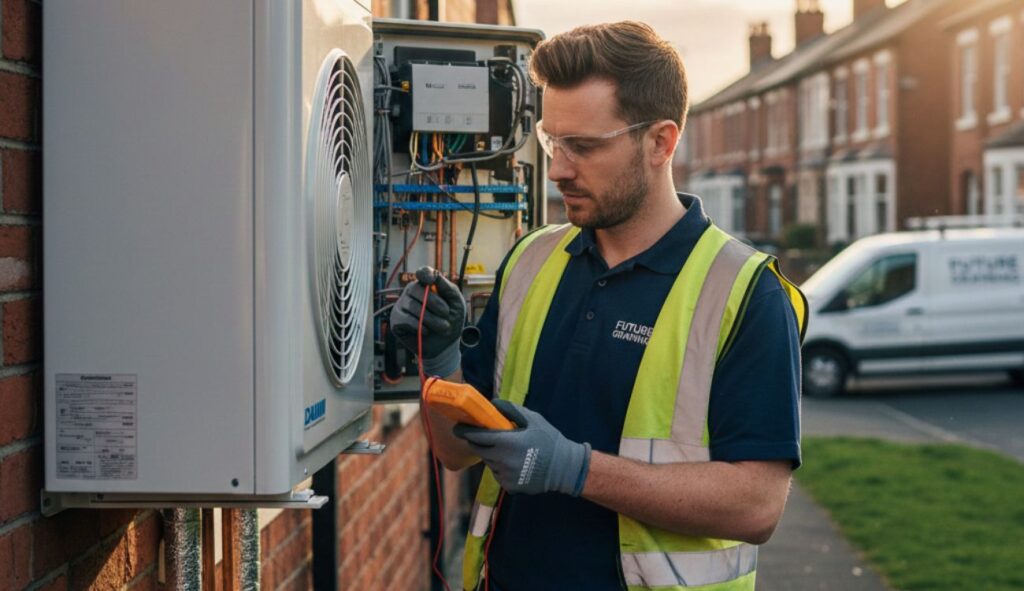
Gain industry-recognised certifications in low-carbon heating to stand out to employers facing severe shortages of qualified heat pump installers. BPEC-accredited courses demonstrate competence and eligibility for grant-funded work.
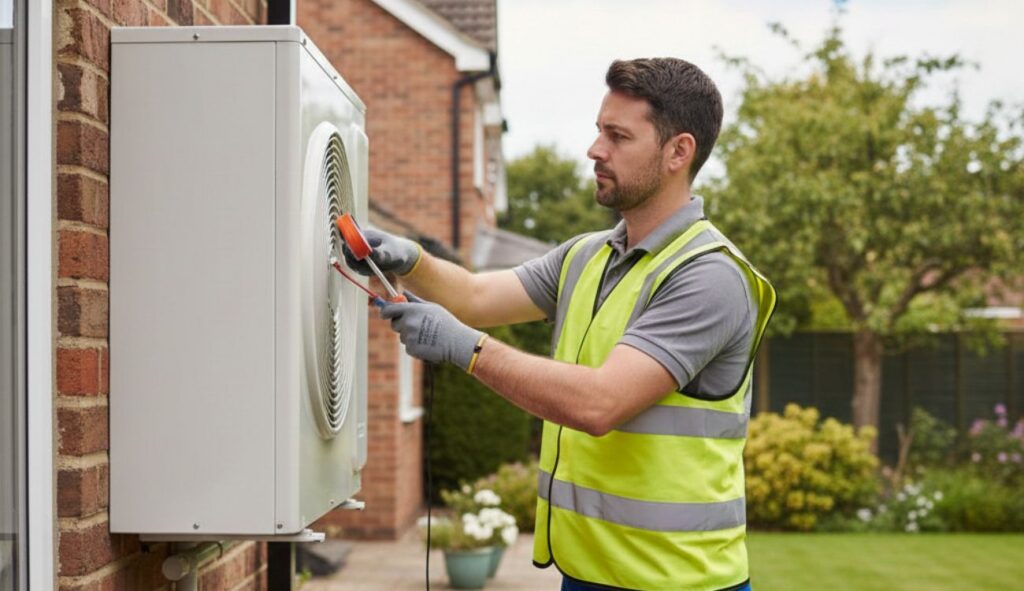
Future Group Training’s Domestic Air Source Heat Pump 3-Day Course (£654, grant available, up to 15% savings) delivers hands-on training in installation, commissioning, maintenance, and fault diagnosis of domestic air source heat pumps.
Conducted in Newcastle, this BPEC programme equips you quickly for in-demand roles—enrol today to enhance your CV and secure positions in a sector with growing installation targets.
2. Network Through Industry Events and Online Platforms
Network through industry events and online platforms like LinkedIn, RenewableUK job finder, and trade associations to connect with employers and uncover unadvertised opportunities in renewables. Attending workshops or joining forums keeps you informed on emerging roles.
3. Target High-Demand Niches Like Heat Pump Installation
Target high-demand niches like heat pump installation, where persistent shortages create abundant openings for certified tradespeople supporting the UK’s clean energy transition. Focus on roles aligned with government incentives.
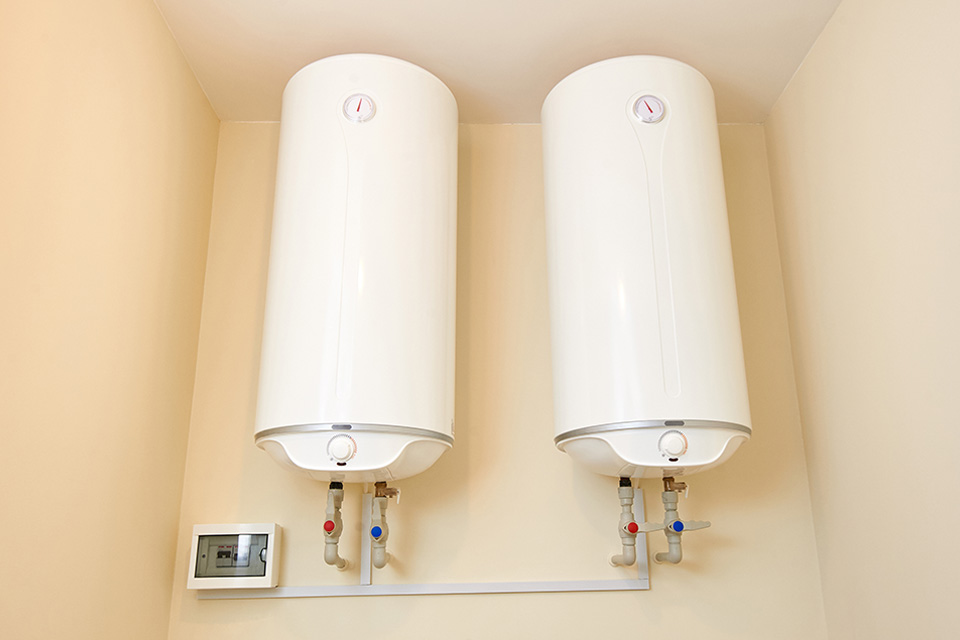
Future Group Training’s Domestic Hot Water Storage Systems (Unvented) G3 1-Day Course (£288, saving £46 from £334) teaches compliant handling of unvented systems vital for renewable integrations.
[/vc_column_text][/vc_column][/vc_row]4. Update Your CV and Online Profiles with Renewable Skills
Update your CV and online profiles with renewable skills, keywords like “BPEC heat pump certified” and “low-carbon installer,” to improve visibility on job boards and recruiter searches.
Highlight any transition from traditional trades.
5. Apply Directly to Employers and Use Specialist Job Sites
Apply directly to employers and use specialist job sites such as Checkatrade, Indeed renewables filters, or green recruitment agencies to find trade positions in solar, heat pumps, and EV charging. Tailor applications to emphasise practical training.
6. Consider Apprenticeships or Entry-Level Roles in Renewables
Consider apprenticeships or entry-level roles in renewables to gain on-the-job experience while building qualifications, often supported by government schemes for green skills. Many lead to full installer positions.
7. Stay Informed on Government Schemes and Funding
Stay informed on government schemes which drive demand for certified installers through grants and incentives. Knowledge of these boosts your appeal to clients and employers.
[/vc_column_text][/vc_column][/vc_row]FAQs
What digital tools help tradespeople market their renewable skills?
Platforms like Checkatrade, Google Business Profile, and social media portfolios showcasing installations increase visibility, attract direct client enquiries, and support self-employment in low-carbon heating.
How do regional variations affect renewable trade job availability?
Urban areas with older housing stock see higher retrofit demand for heat pumps, while rural regions favour ground-source systems; northern England benefits from training hubs like Newcastle for local opportunities.
What soft skills improve success in renewable energy trade roles?
Strong communication for client consultations, problem-solving for system diagnostics, and adaptability to new technologies help certified installers secure repeat business and referrals.
Are there gender diversity initiatives in UK renewable trades?
Programmes from bodies like RenewableUK and skills funds promote inclusion, offering targeted support, mentorship, and flexible training to encourage more women into green installation roles.
How often should installers seek additional training after initial certification?
Regular CPD (typically 10-15 hours annually) on regulatory updates, emerging tech like hybrid systems, and safety standards maintains MCS eligibility and access to ongoing grant work.
[/vc_column_text]