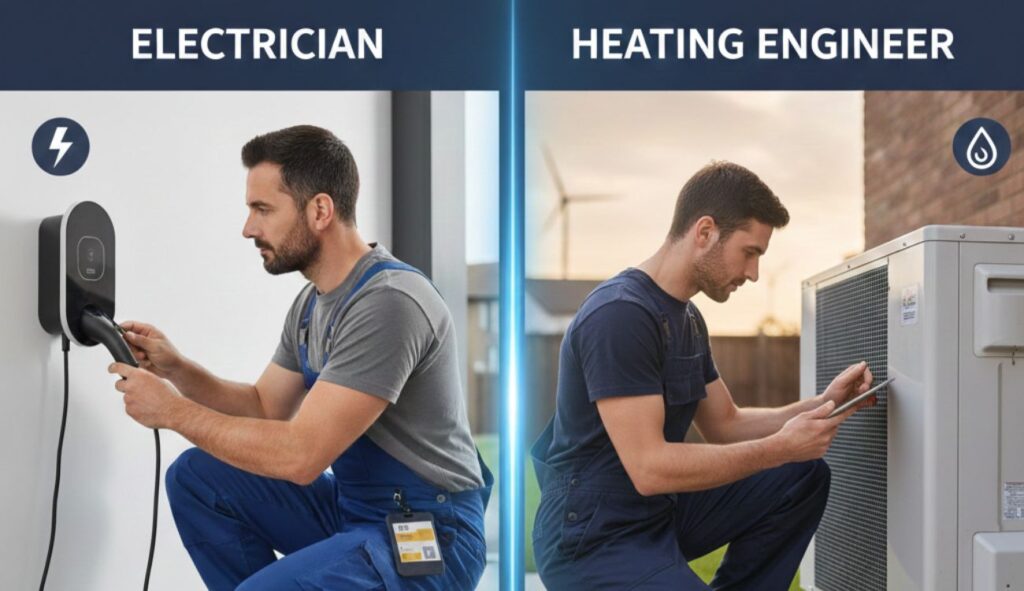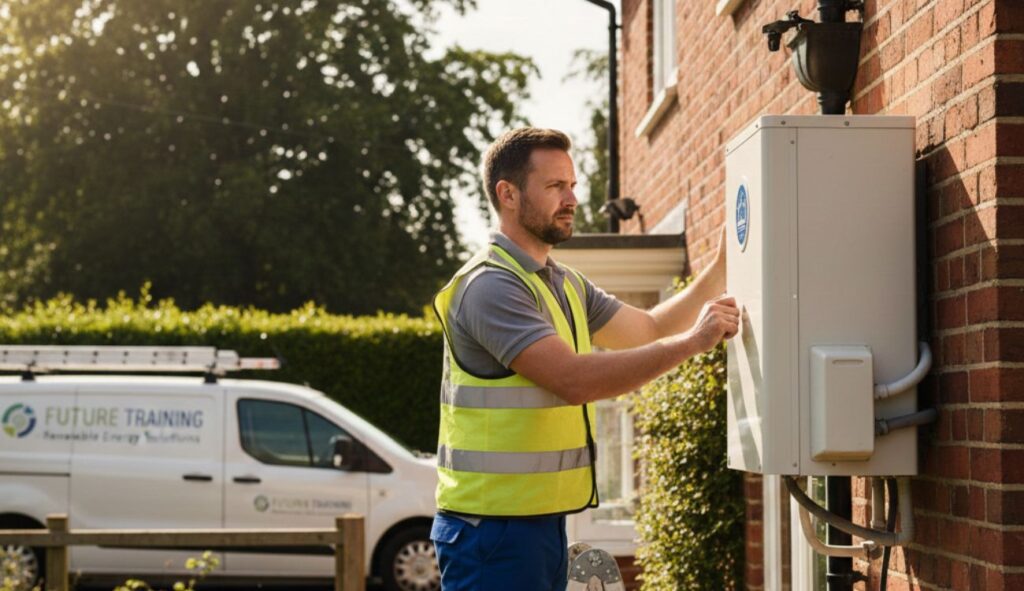

Renewable energy is a good career path in the UK, delivering job security, competitive salaries, meaningful environmental impact, and long-term growth as the nation accelerates towards net zero emissions by 2050.
Supported by government initiatives, the sector is expanding rapidly with projections for hundreds of thousands of new roles by 2030, particularly in low-carbon heating, solar, wind, and energy efficiency—creating abundant opportunities for skilled tradespeople.
Is Renewable Energy a Good Career Path in 2026?
Renewable energy is a good career path in 2026 due to surging job creation, persistent installer shortages, and attractive earnings driven by the UK’s clean energy ambitions and skills gaps in priority occupations.
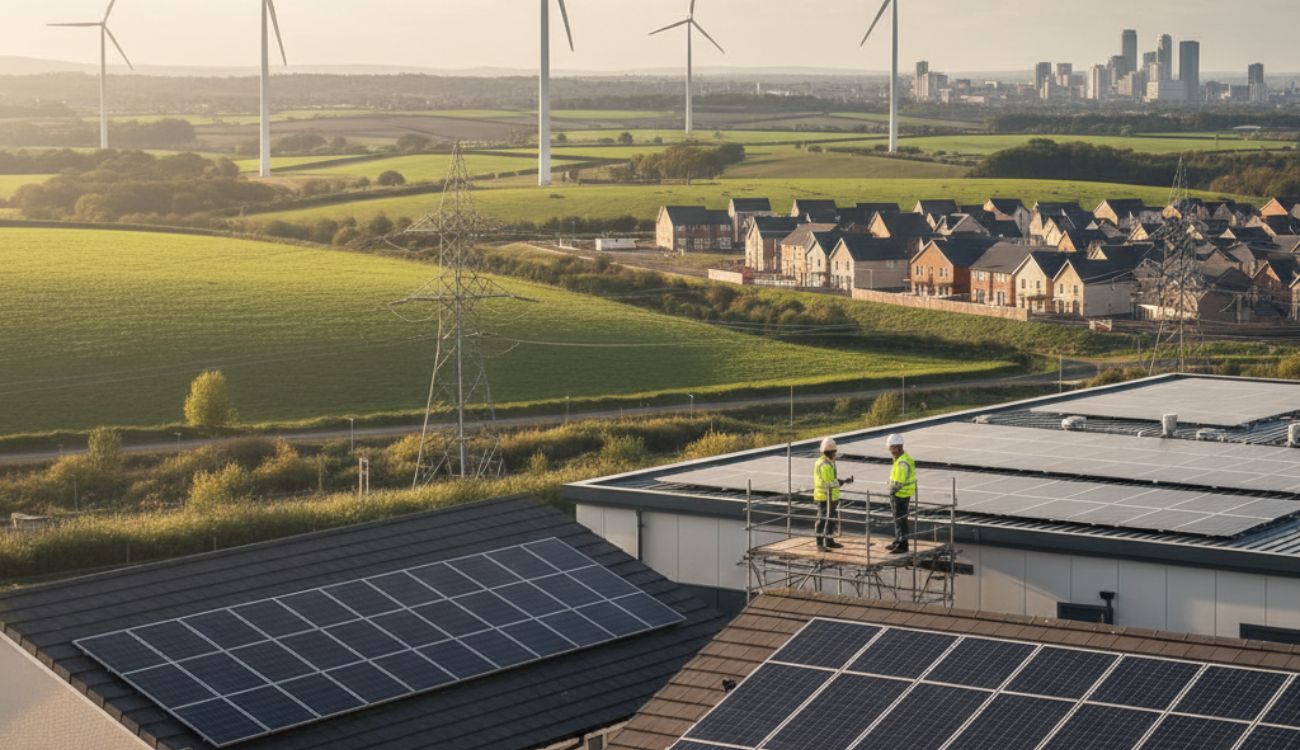
Government plans aim to nearly double clean energy employment from around 440,000 in 2023 to 860,000 by 2030, requiring 400,000 additional workers in areas like heat pumps, solar, and retrofits.
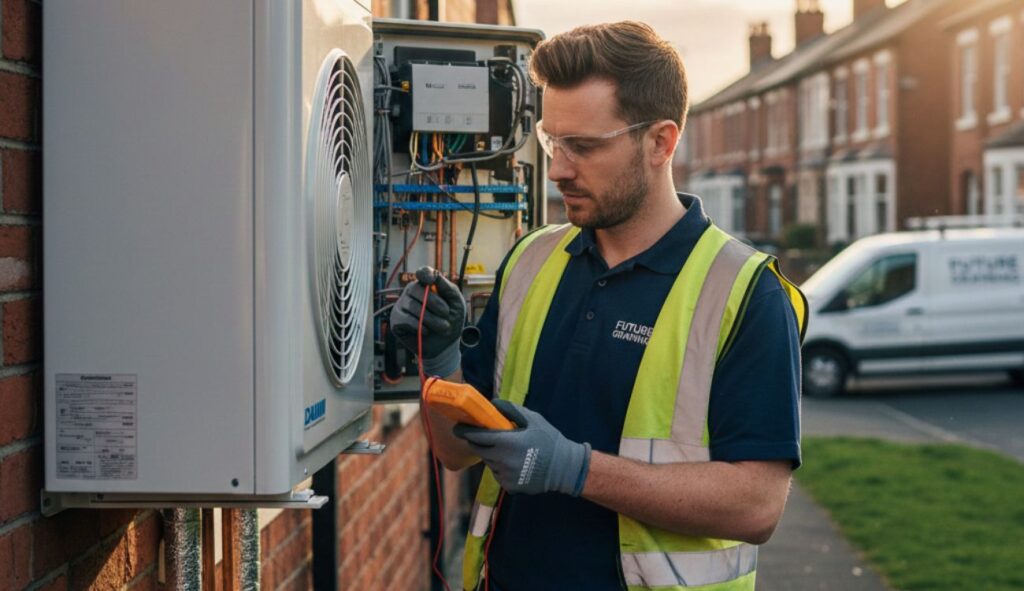
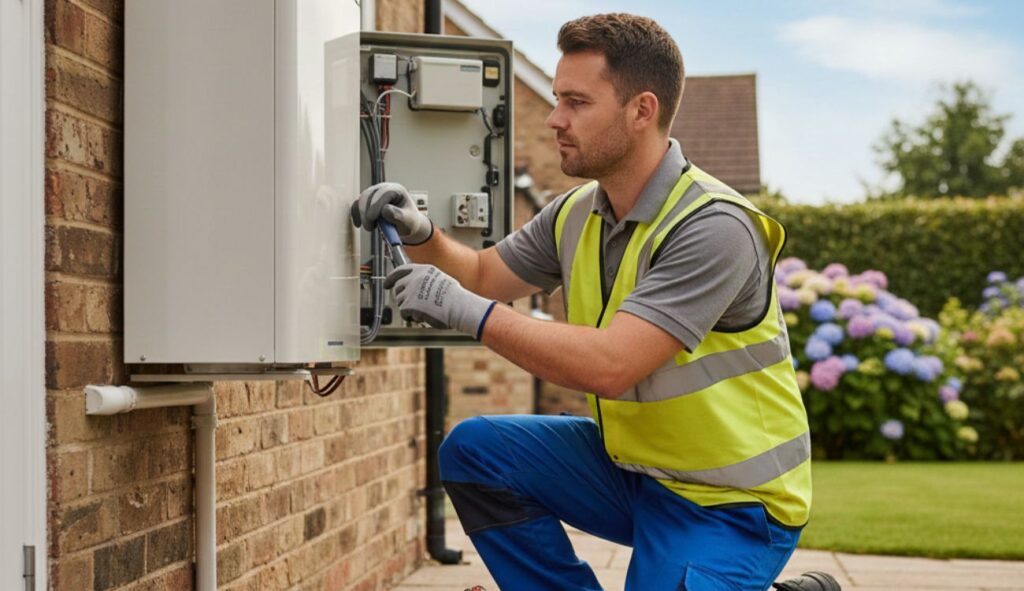
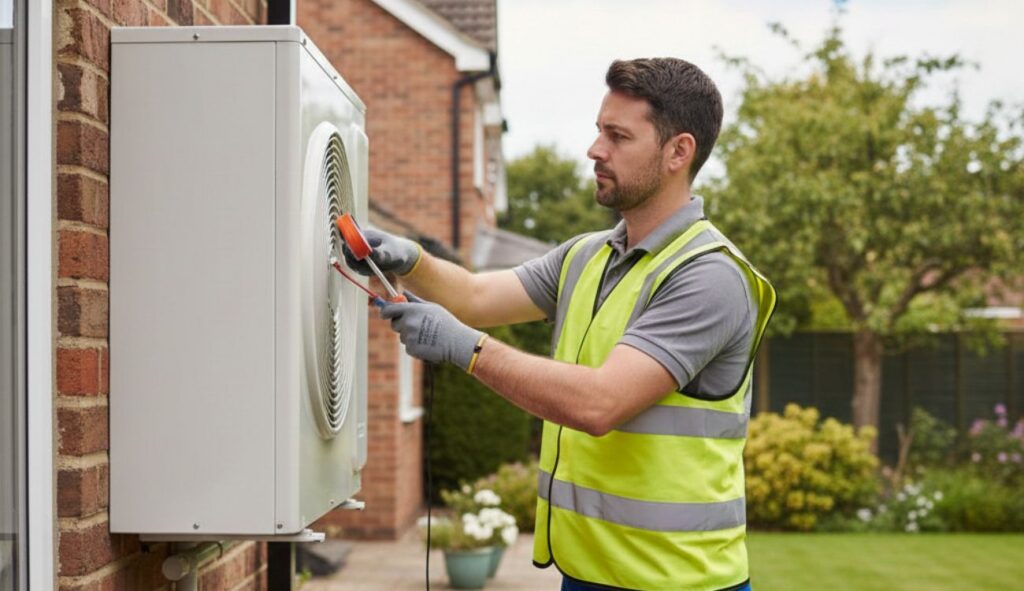
Future Group Training’s BPEC-accredited Domestic Air Source Heat Pump 3-Day Course (£654, grant available, up to 15% savings) offers hands-on training in installation, commissioning, maintenance, and fault diagnosis of domestic air source heat pumps.
Held in Newcastle, this programme equips you for high-demand roles amid severe shortages—enrol today to secure a stable, rewarding career contributing to lower emissions and energy-efficient homes with salaries often reaching £75,000 for experienced specialists.
What Salary Potential Exists in Renewable Energy Trades?
Salary potential in renewable energy trades is strong and rising, with experienced installers in heat pumps and related fields earning £40,000–£75,000 annually, often surpassing traditional trades due to specialist demand and government incentives.
Entry-level roles start around £25,000–£35,000, while dual-qualified professionals benefit from premiums in low-carbon niches.
Future Group Training’s Low Temperature Hot Water Heating Systems 2-Day Course (£474, saving £76 from £550) provides essential skills in designing, installing, commissioning, and maintaining energy-efficient low-temperature systems optimised for heat pumps.
This BPEC-certified training enhances your market value—sign up now to access higher-paying opportunities in sustainable heating aligned with net zero progress.
[/vc_column_text][/vc_column][/vc_row]How Does Job Security Compare in Renewable Energy?
Job security in renewable energy is exceptional compared to many sectors, fuelled by long-term policy commitments, ongoing skills shortages, and the essential nature of the transition to clean power by 2030 and net zero by 2050.
With targets for accelerated heat pump adoption and retrofit programmes, demand for qualified installers remains robust.
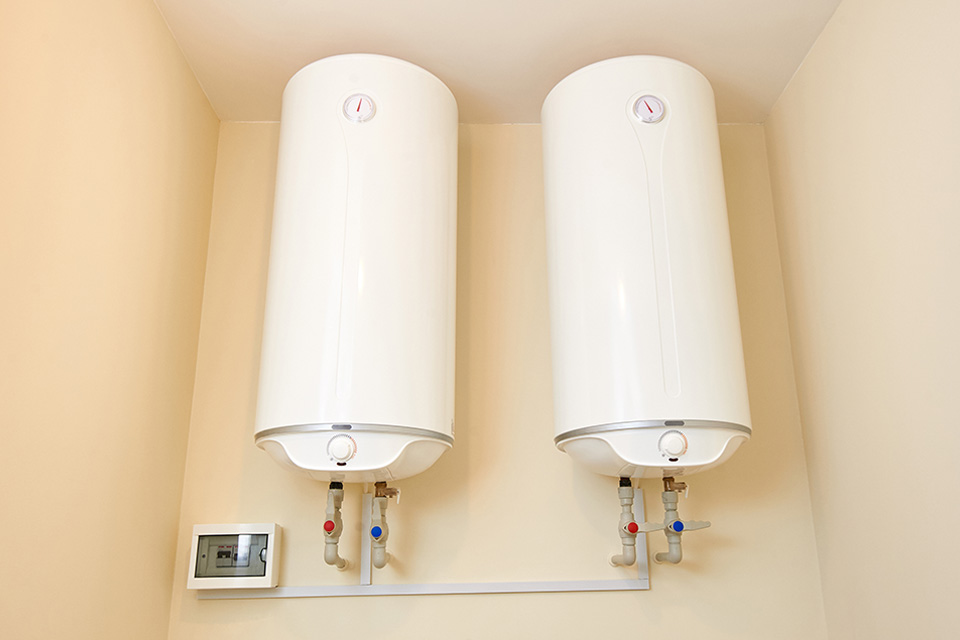
Future Group Training’s Domestic Hot Water Storage Systems (Unvented) G3 1-Day Course (£288, saving £46 from £334) teaches compliant design, installation, servicing, and maintenance of unvented systems vital for modern renewable setups.
It builds resilience against market shifts—enrol to gain credentials that ensure steady work and career longevity in this future-proof industry.
[/vc_column_text][/vc_column][/vc_row]Why Choose Heat Pump Installation Within Renewables?
Heat pump installation stands out within renewables as a highly accessible and impactful entry point, with massive demand from schemes like the Boiler Upgrade Scheme and persistent installer gaps requiring thousands more specialists.
This role combines practical trade skills with environmental purpose and strong earning potential.
Future Group Training’s comprehensive BPEC suite, featuring savings up to 15% and all materials included in programmes like the 3-Day Air Source Heat Pump course, delivers targeted, job-ready expertise.
Gain specialised abilities in efficient commissioning and fault diagnosis—join today to capitalise on this high-growth niche and enjoy flexible, fulfilling work supporting the UK’s green transition.
[/vc_column_text][/vc_column][/vc_row]What Long-Term Benefits Does a Renewable Energy Career Offer?
A renewable energy career offers long-term benefits including professional fulfilment from contributing to climate goals, diverse progression opportunities from installer to specialist or supervisor, and resilience through government-backed growth and skills investment.
With expanding sectors like solar, wind, and clean heating, workers enjoy stability and advancement.
Future Group Training supports this journey through accredited, practical courses that address critical shortages and prepare you for grant-eligible installations.
By enrolling in our discounted programmes, you’ll position yourself at the forefront of sustainable energy, achieving financial rewards, job satisfaction, and positive environmental impact—sign up now to build a prosperous, purpose-driven future.
[/vc_column_text][/vc_column][/vc_row]FAQs
What government funding supports entry into renewable energy training?
The Adult Skills Fund and advanced learner loans often cover eligible BPEC courses for adults over 19, with repayments deferred until earnings exceed thresholds, making upskilling affordable for career changers.
How do heat pump roles differ from traditional boiler work seasonally?
Heat pump installations peak in spring and autumn for efficiency upgrades, while maintenance contracts provide year-round stability with fewer emergency winter call-outs than gas systems.
What soft skills boost success as a renewable energy installer?
Effective client communication for explaining benefits, problem-solving during diagnostics, and adaptability to new regulations or technologies help build trust and secure repeat or referral business.
Are there opportunities for self-employment in heat pump installation?
Yes, many certified installers operate as sole traders or start businesses, leveraging MCS registration for grant work, local marketing, and partnerships with energy assessors for consistent domestic leads.
What ongoing requirements maintain heat pump installer credentials?
Annual CPD (typically 10-15 hours) on updates to MCS standards, refrigerant handling (if applicable), and emerging hybrid systems ensures continued compliance, grant access, and professional credibility.
[/vc_column_text]