
A gas engineer is still a good trade in the UK, providing job security, competitive earnings, and versatile skills even as the energy landscape evolves towards low-carbon alternatives.
Despite the push for net zero emissions by 2050 and incentives for efficient heating, millions of homes continue relying on gas systems for reliable warmth, ensuring ongoing demand for qualified professionals in servicing, maintenance, and installations.
Is a Gas Engineer Still a Good Trade in Today’s Market?
A gas engineer is still a good trade in today’s market due to persistent skills shortages, an ageing workforce with many nearing retirement, and steady needs for domestic and commercial gas appliance work.
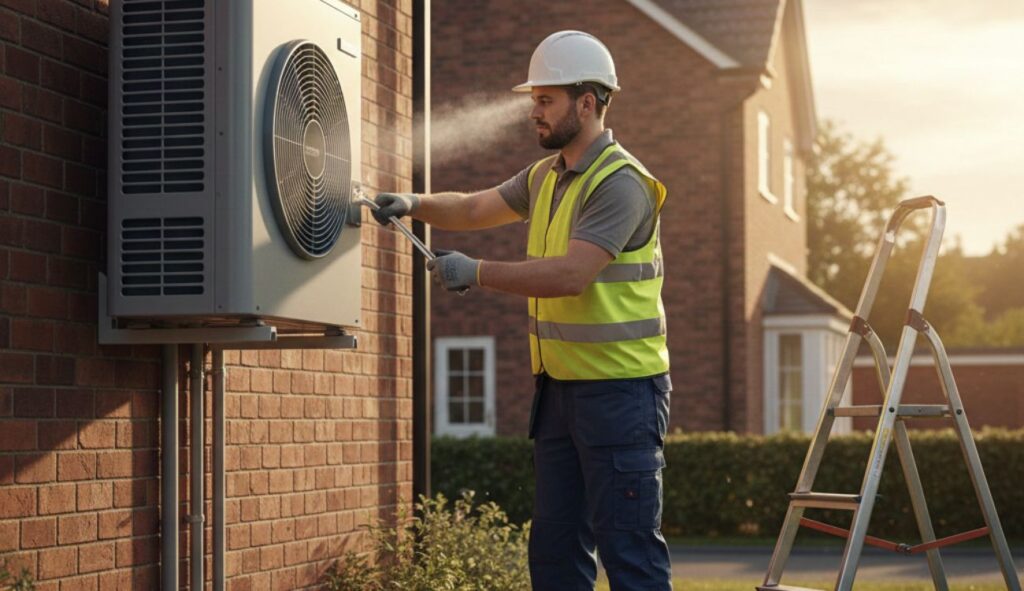
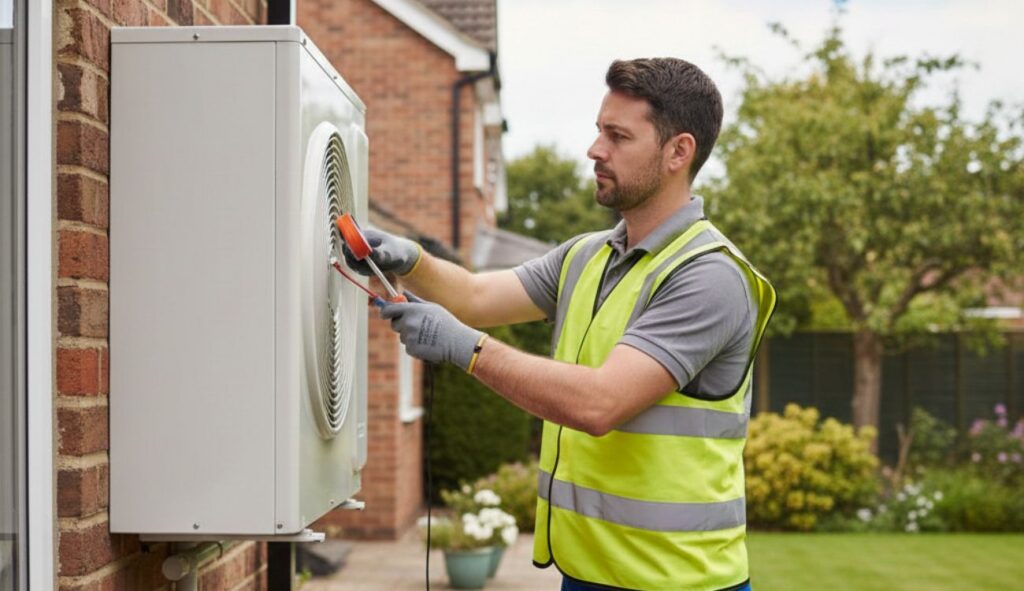
Recent data shows high demand persists in 2025-2026, with job postings rising and engineers enjoying recession-resilient roles. Future Group Training supports this by offering complementary BPEC-certified courses for career enhancement—such as the Domestic Air Source Heat Pump 3-Day Course at £654 (grant available, up to 15% savings)—allowing gas engineers to diversify into renewables without abandoning core expertise.
Held hands-on in Newcastle, this programme builds installation, commissioning, and maintenance skills for air source heat pumps, positioning you for dual-qualified roles that command premium pay amid installer shortages—enrol now to future-proof your trade career.
What Salary Potential Does a Gas Engineer Career Offer?
A gas engineer career offers strong salary potential, with experienced professionals earning £42,000–£55,000 annually on average, and self-employed or commercial specialists reaching £60,000+ through day rates and client bases.
Starting salaries for newly qualified engineers hover around £32,000–£38,000, rising quickly with experience and additional certifications. Upskilling via Future Group Training’s Low Temperature Hot Water Heating Systems 2-Day Course (£474, saving £76 from £550) enhances earning power by qualifying you for energy-efficient heating designs compatible with modern systems, including heat pump integrations.
This BPEC-accredited training opens higher-paid opportunities in sustainable heating—sign up today to boost your income while meeting evolving market needs.
[/vc_column_text][/vc_column][/vc_row]How Is the Transition to Net Zero Affecting Gas Engineers?
The transition to net zero is affecting gas engineers positively by creating hybrid opportunities rather than eliminating roles, as existing gas infrastructure requires maintenance and upgrades while low-carbon technologies like heat pumps gain traction.
No outright ban on gas boilers exists for existing homes, with focus on incentives for efficient alternatives.
[/vc_column_text][/vc_column][/vc_row]Why Should Gas Engineers Consider Upskilling Now?
Gas engineers should consider upskilling now to capitalise on growing demand for dual-skilled professionals in low-carbon heating, where shortages create premium roles and salaries up to £75,000 for experienced installers. Transitioning from traditional gas work to renewables secures long-term stability amid net zero goals.
Future Group Training’s suite of BPEC courses, including the 3-Day Domestic Air Source Heat Pump programme with all materials provided, offers discounted training (up to 15% savings) tailored for gas engineers.
These hands-on qualifications address critical gaps in heat pump expertise—join today to expand your services, increase earnings, and play a key part in sustainable energy solutions.
[/vc_column_text][/vc_column][/vc_row]What Long-Term Benefits Does a Gas Engineering Career Provide?
A gas engineering career provides long-term benefits including job stability from ongoing domestic needs, flexible self-employment options, and pathways to specialisations like renewable integrations that align with government schemes.
With workforce attrition creating openings, skilled engineers enjoy consistent work and progression.
Future Group Training bridges traditional and green skills through accredited programmes that enhance versatility and employability.
By enrolling in their discounted courses, you’ll gain credentials for fault diagnosis, efficient systems, and low-carbon compliance—secure your future in a resilient trade that supports both current demands and environmental progress.
[/vc_column_text][/vc_column][/vc_row]FAQs
What Gas Safe registration requirements apply for ongoing work?
Gas Safe registration must be renewed annually with proof of competence via reassessment or CPD, ensuring compliance for legal gas work and access to manufacturer warranties.
How do hydrogen-ready boilers impact current gas engineers?
Hydrogen-ready boilers allow existing skills to transfer to future fuel blends, with minimal additional training needed for engineers already qualified in modern condensing systems.
What commercial opportunities exist beyond domestic gas work?
Commercial roles in schools, retail, and care homes often pay higher day rates (£300–£400) for qualified engineers handling larger systems and annual safety inspections.
Can gas engineers access funding for renewable upskilling?
Many qualify for Adult Skills Fund support or advanced learner loans for BPEC courses, with repayments deferred until earnings exceed set thresholds.
How does seasonal demand affect gas engineer workloads?
Winter peaks bring surge in breakdowns and servicing, while summer focuses on annual checks and installations, enabling balanced schedules with potential overtime premiums.
[/vc_column_text]