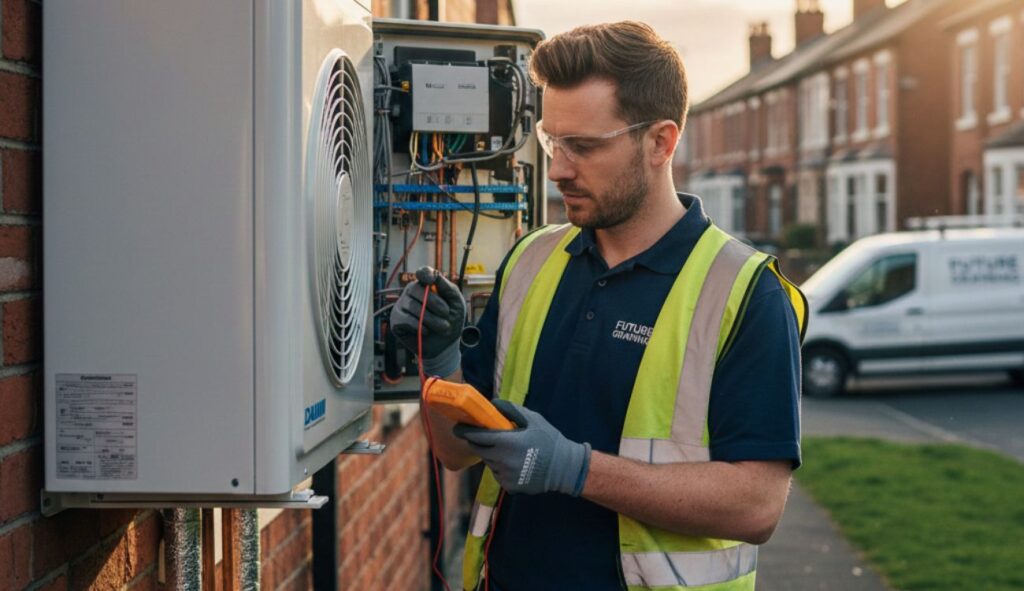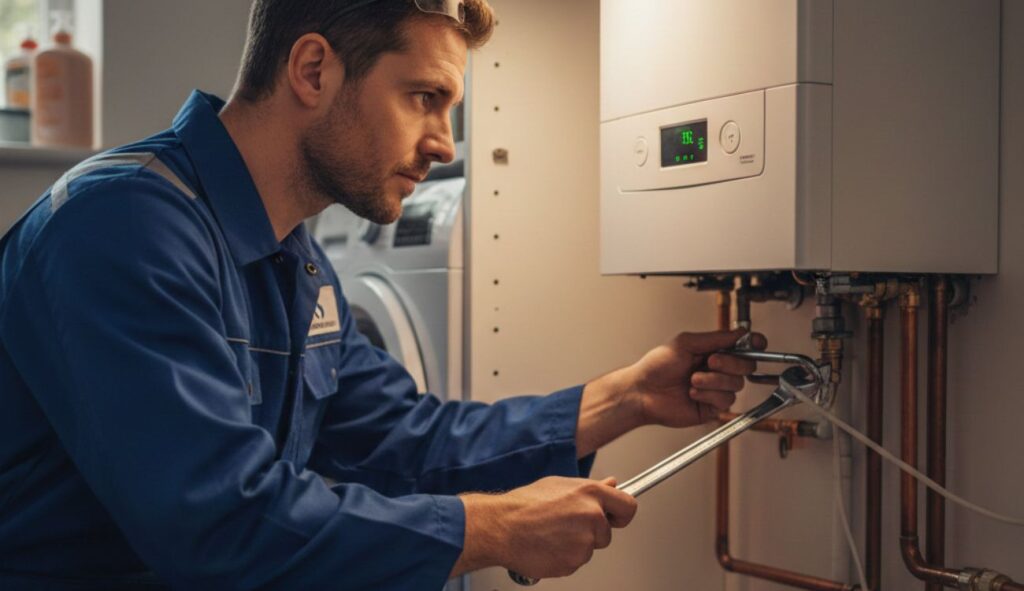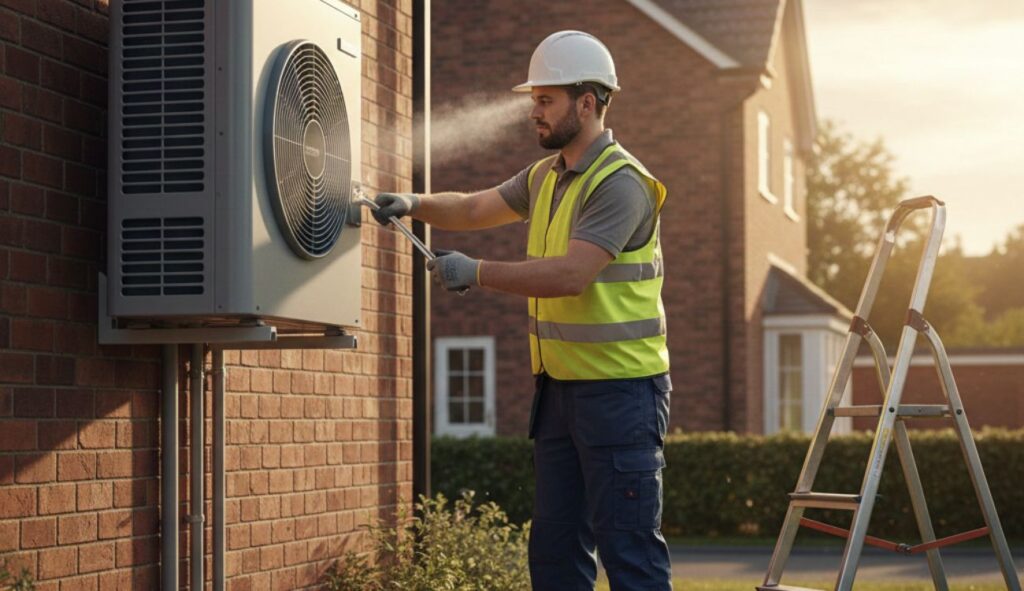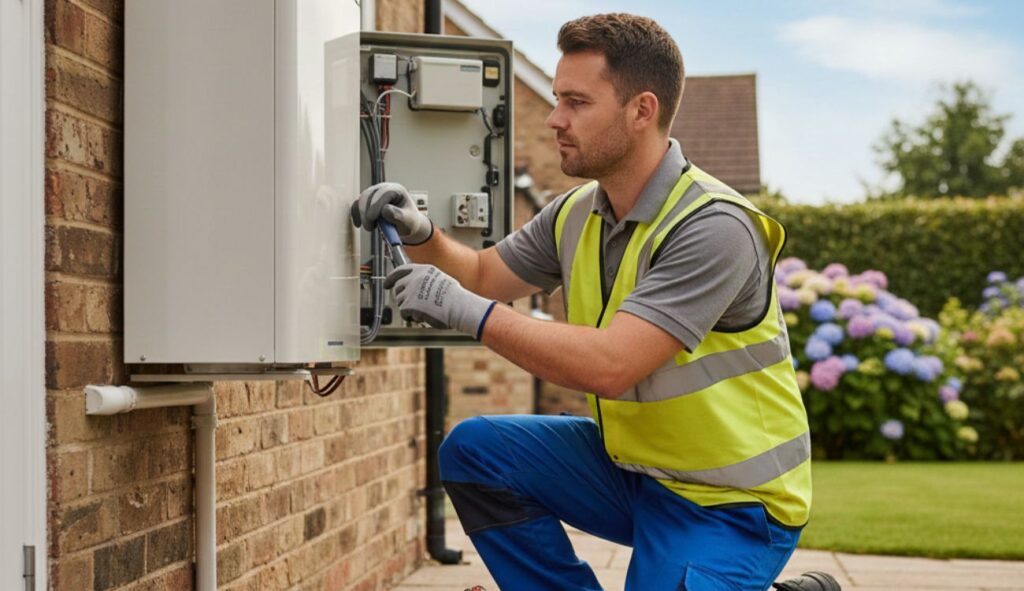

Embarking on a career in renewable energy with no experience is entirely achievable, especially in the burgeoning field of low-carbon heating systems like heat pumps.
As the UK pushes towards its net zero emissions target by 2050, sectors such as sustainable heating are experiencing rapid growth, creating abundant opportunities for newcomers through vocational training and apprenticeships.
What Are the Steps to Enter the Renewable Energy Job Market Without Prior Experience?
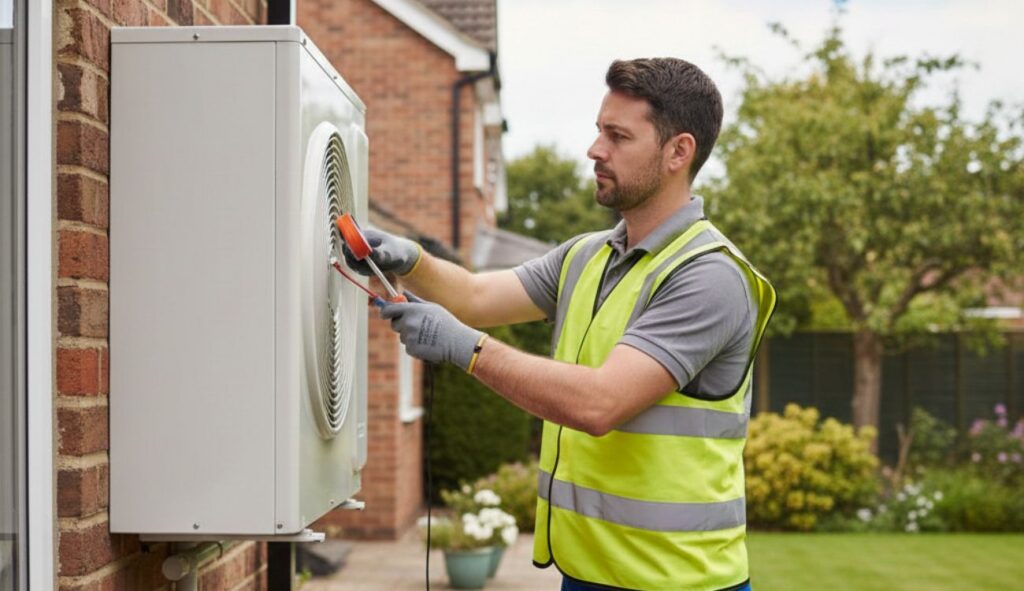
The steps to enter renewable energy without prior experience begin with identifying accessible entry points like apprenticeships or short certification programmes in green technologies. Start by exploring vocational courses that provide hands-on skills in areas such as air source heat pump installation, which don’t always require a university degree.
Future Group Training offers BPEC-accredited programmes tailored for beginners transitioning into this sector, including the Domestic Air Source Heat Pump 3-Day Course at £654 with potential grants and up to 15% discounts.
Held in practical facilities in Newcastle and South Shields, these courses equip you with essential knowledge in installing, commissioning, and maintaining low-carbon heating systems, aligning perfectly with the UK’s drive for energy-efficient solutions.
By enrolling, you’ll gain a competitive edge in a market facing a severe shortage of qualified installers, positioning you for immediate job prospects in sustainable energy.
Why Is There a Growing Demand for Skills in Low-Carbon Heating?
There is a growing demand for skills in low-carbon heating because the UK government aims to install 600,000 heat pumps annually by 2028 to meet net zero goals, yet a skills gap leaves only around 3,000-4,000 trained professionals currently available.
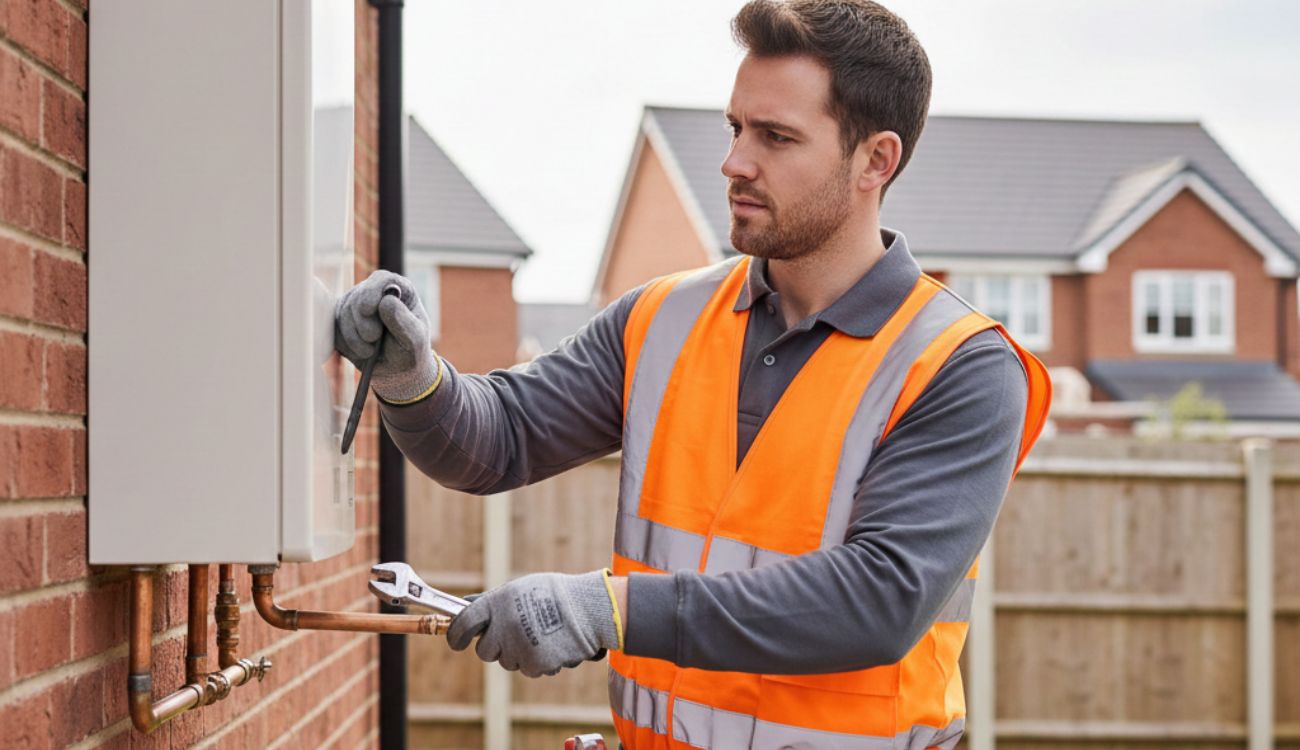
This shortfall, projected to require 27,000-41,000 installers by the end of the decade, stems from the rapid shift away from fossil fuel boilers towards efficient, eco-friendly alternatives. Future Group Training addresses this directly with their Low Temperature Hot Water Heating Systems 2-Day Course, priced at £474 (saving £76 from the original £550), designed for those upskilling from traditional gas engineering roles. Delivered in our Newcastle centre, this hands-on training covers design, installation, and maintenance of energy-efficient systems, helping you contribute to reducing greenhouse gas emissions while securing a stable career in green technology.
Enrol now to become part of the solution and tap into roles that support the nation’s clean power ambitions by 2030.
How Can Vocational Training Bridge the Gap for New Entrants?
Vocational training can bridge the gap for new entrants by offering practical, industry-recognised qualifications that bypass the need for extensive prior expertise, focusing instead on real-world applications in sustainable technologies.
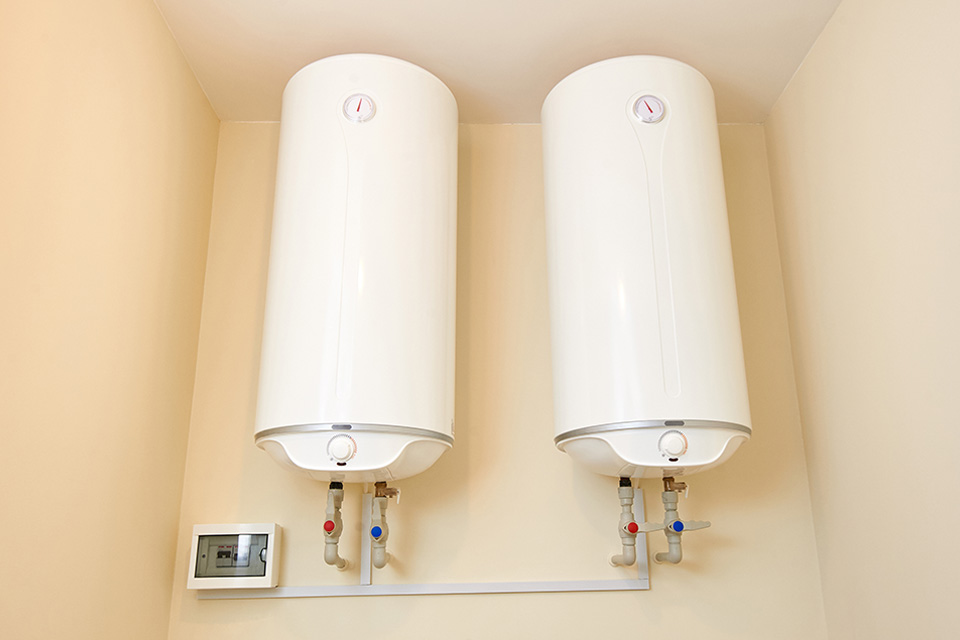
Apprenticeships and short courses in renewable heating provide a direct pathway, combining on-the-job learning with certifications that employers value. At Future Group Training, the Domestic Hot Water Storage Systems (Unvented) G3 1-Day Course, available for £288 (a £46 saving), is ideal for those starting out, teaching compliance with G3 regulations for unvented systems integral to low-carbon setups.
Conducted in Newcastle, this programme builds competence quickly, enabling you to integrate with heat pump technologies and advance towards installer roles.
With the UK needing to double heat pump installations yearly to hit climate targets, completing this course not only enhances your CV but also opens doors to high-earning positions in a sector poised for exponential growth—sign up today to accelerate your transition into a rewarding green career.
What Benefits Do Heat Pump Courses Offer for Career Transitions?
Heat pump courses offer benefits for career transitions by providing specialised skills that align with the UK’s net zero strategy, allowing seamless shifts from fields like gas engineering to high-demand renewable roles with potential salaries up to £75,000 for experienced professionals.
These programmes emphasise practical expertise in low-temperature systems, fault diagnosis, and efficient installations, making you indispensable amid installer shortages. Future Group Training’s comprehensive offerings, such as the 3-Day Domestic Air Source Heat Pump Course, include all materials and equipment, ensuring you’re job-ready upon completion.
Located conveniently in Newcastle, our BPEC-certified training supports the government’s Warm Homes Plan and creates pathways to roles in solar PV and low-carbon boilers. By investing in these discounted courses—with savings up to 15%—you’ll not only boost your earning potential from £24,000 as a starter to £46,000 experienced but also contribute to environmental sustainability; enrol to transform your professional future in clean energy.
How Does Enrolling in Certified Programmes Support Long-Term Green Goals?
Enrolling in certified programmes supports long-term green goals by equipping individuals with the expertise to drive the UK’s shift to sustainable heating, directly contributing to reducing emissions and achieving 80% heat pump adoption in homes by 2050. These qualifications foster innovation in energy-efficient technologies, addressing critical shortages and promoting widespread low-carbon adoption.
Future Group Training’s suite of courses, including the 2-Day Low Temperature Hot Water Heating Systems programme, integrates with national initiatives like the Boiler Upgrade Scheme, preparing you for a market where demand outpaces supply. With hands-on sessions in Newcastle, you’ll learn to design systems that enhance building efficiency, supporting career longevity in a sector creating millions of green jobs by 2030.
Take advantage of their grants and discounts to start—signing up ensures you’re at the forefront of the net zero transition, with opportunities for advancement in a resilient, eco-conscious industry.
FAQs
What funding options are available for heat pump training beyond grants?
Government-backed loans through the Skills Funding Agency can cover up to 100% of course fees for eligible adults over 19, repayable only after earning above £27,295 annually, making upskilling accessible without upfront costs.
How do heat pump qualifications align with international standards?
BPEC certifications are recognised under the European Qualifications Framework, enabling portability across EU countries for roles in sustainable heating, ideal for those considering global opportunities in renewable technologies.
What role do heat pumps play in urban vs. rural UK installations?
In urban areas, heat pumps often integrate with district heating networks for efficiency, while rural setups leverage ground-source variants for better performance in isolated properties, both advancing localised net zero strategies.
Can heat pump training lead to specialisations in hybrid systems?
Yes, advanced modules allow focus on hybrid setups combining heat pumps with solar or biomass, enhancing versatility for installers tackling diverse building types and energy needs.
What ongoing professional development is required for certified installers?
Annual CPD requirements from bodies like MCS mandate 10-15 hours of updates on regulations and innovations, ensuring compliance and access to schemes like the Boiler Upgrade Grant for continued career progression.