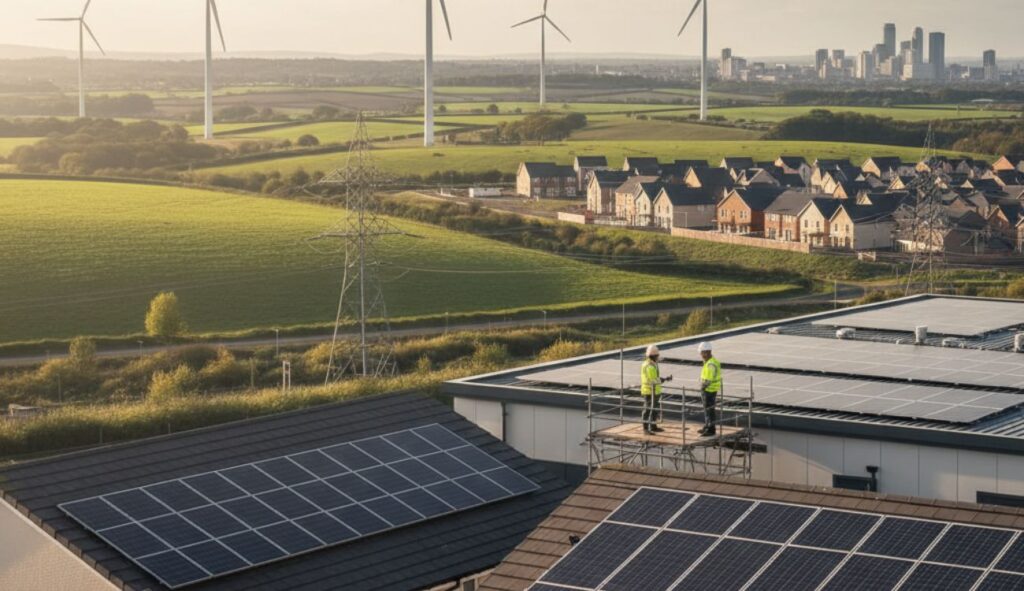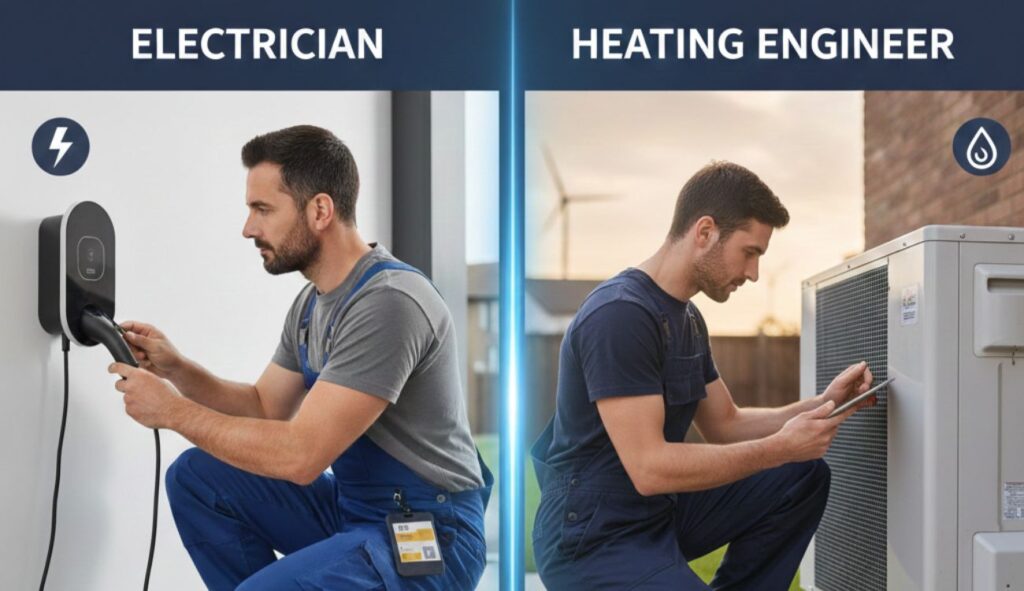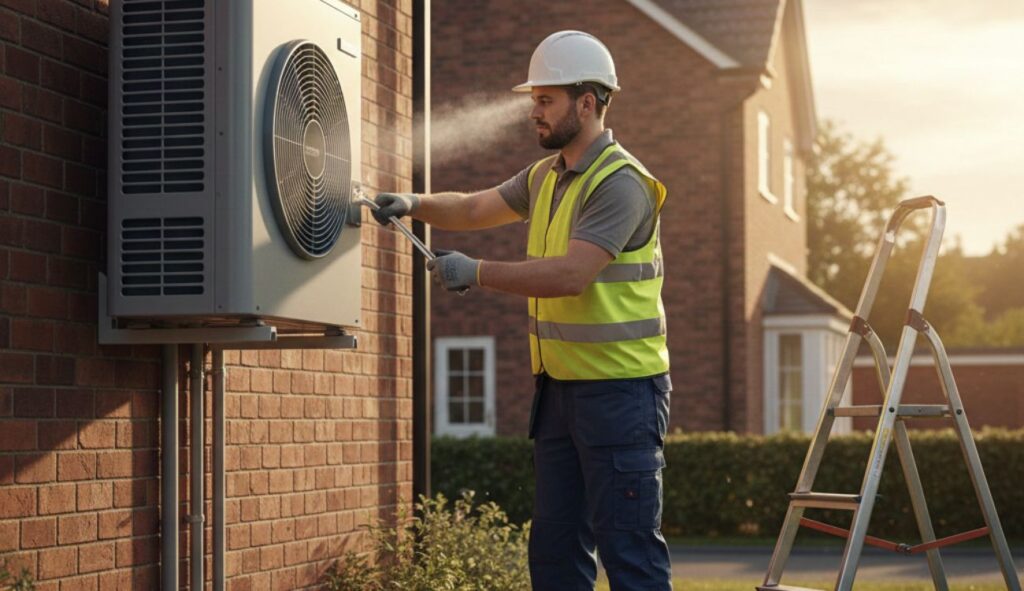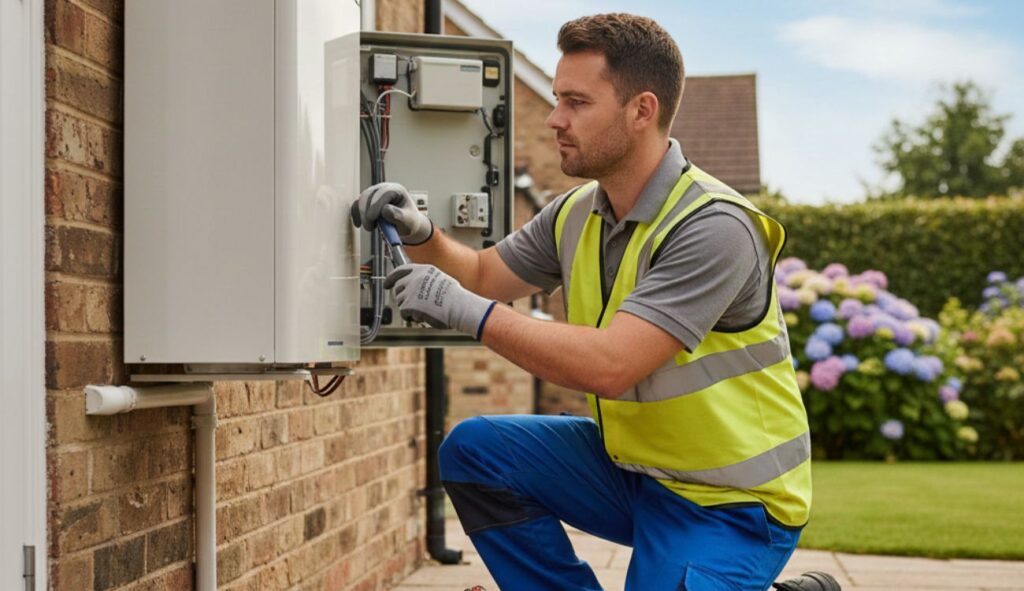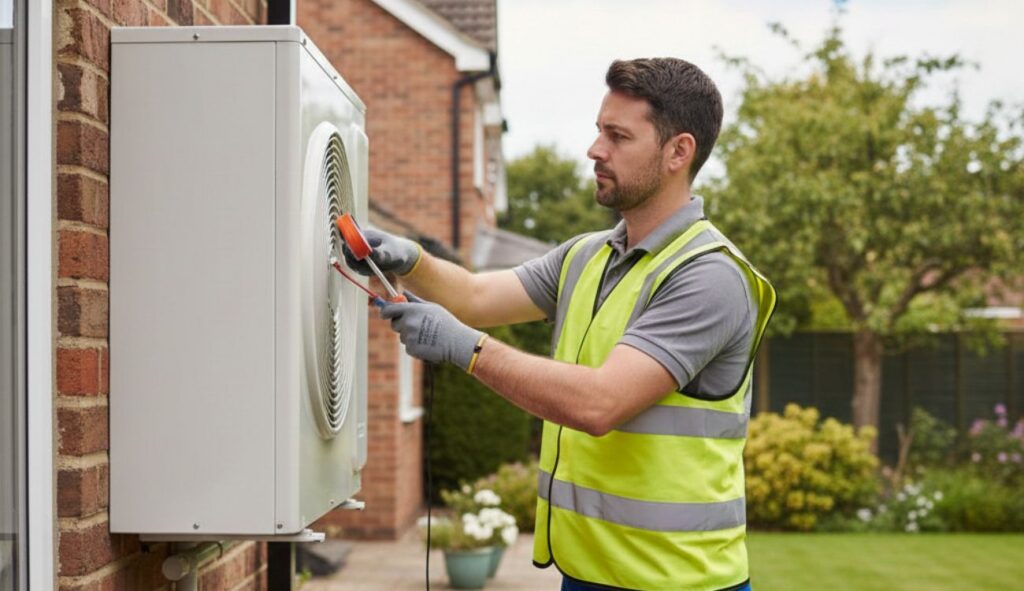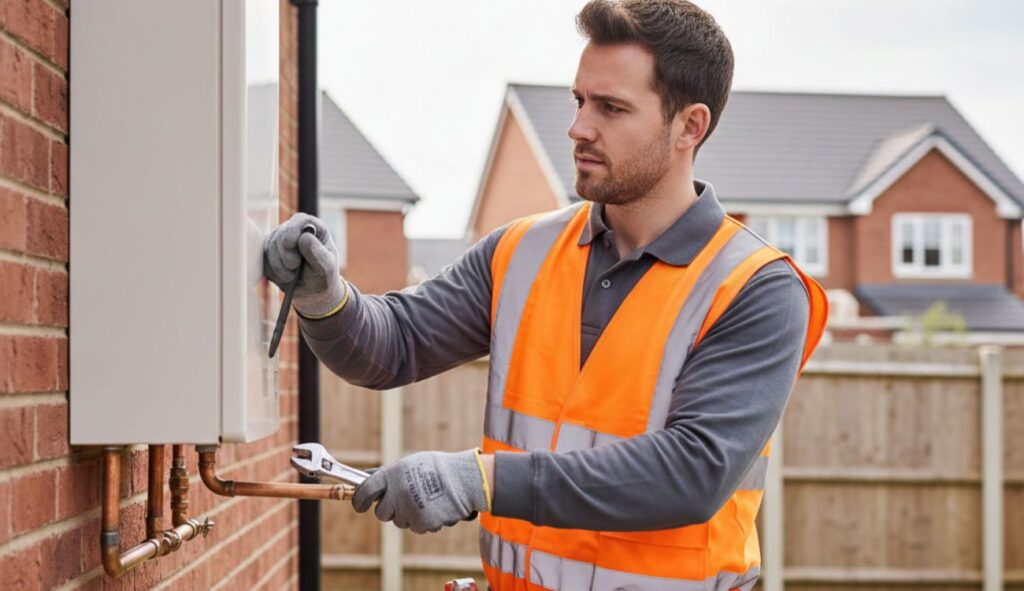

Becoming a renewable energy installer in the UK involves gaining recognised qualifications in sustainable technologies, particularly low-carbon heating such as air source heat pumps, to meet rising demand driven by government incentives and climate goals.
No university degree is required; focused vocational training enables quick entry into well-paid roles with salaries often reaching £45,000–£75,000 for experienced specialists amid persistent skills gaps.
How Can You Become a Renewable Energy Installer in the UK?
You can become a renewable energy installer in the UK by completing industry-approved certifications in key technologies like heat pumps, which demonstrate competence for safe, efficient installations and eligibility for schemes such as the Boiler Upgrade Scheme. Start with practical courses tailored for those with plumbing, heating, or related experience.
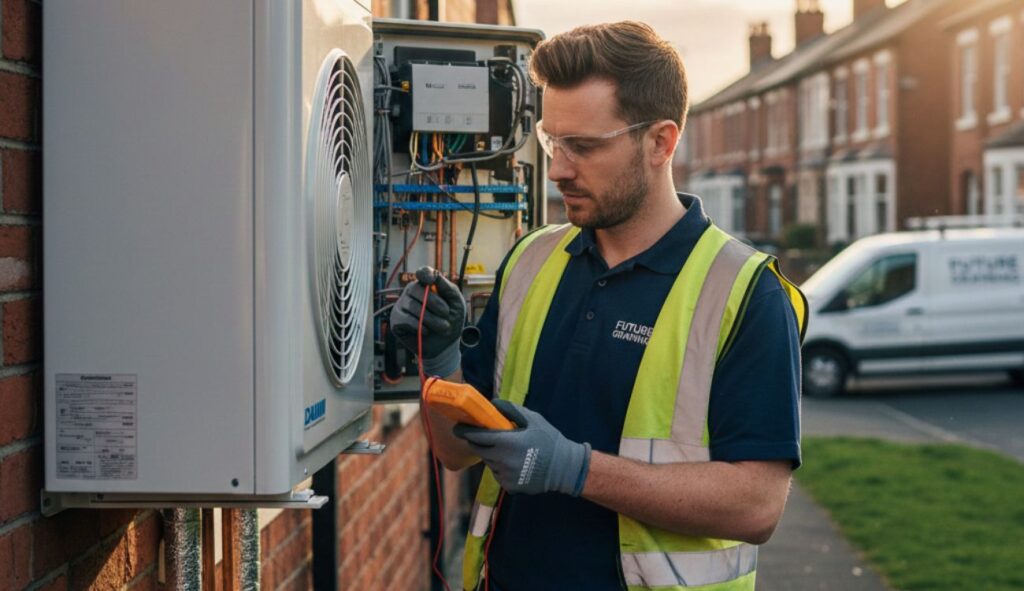
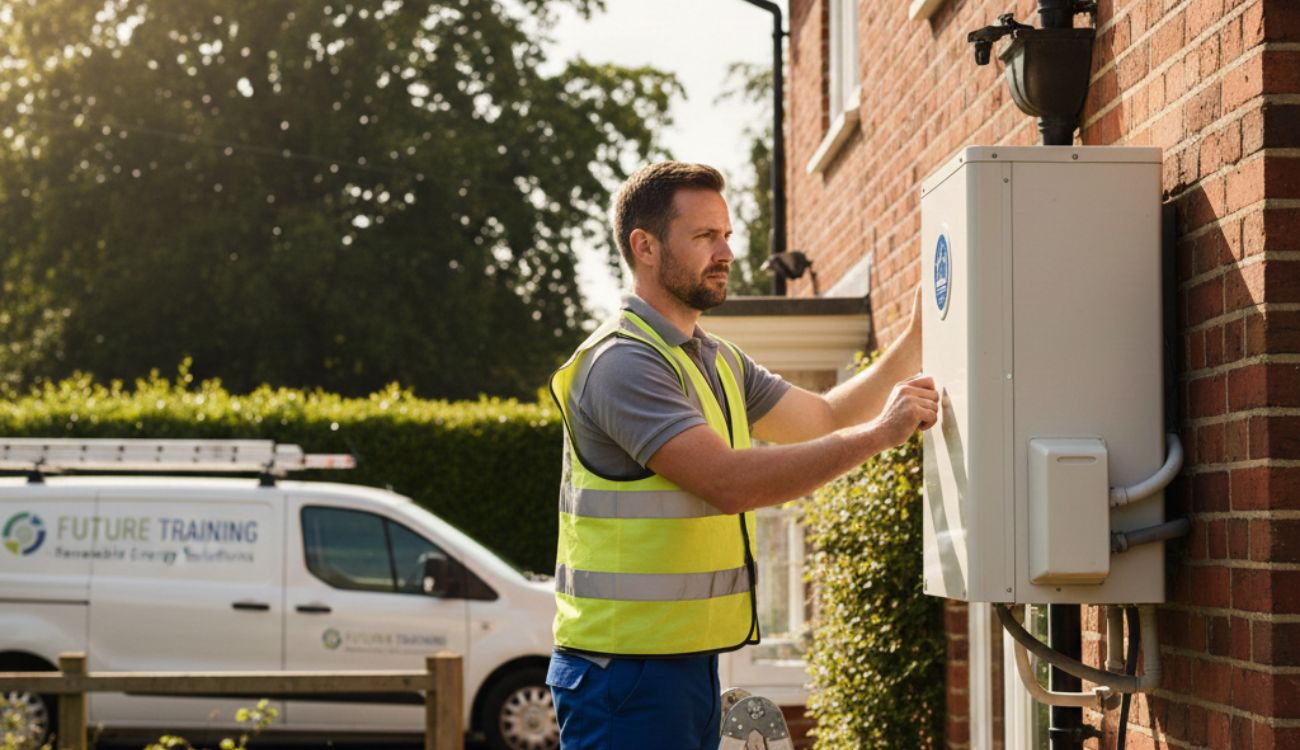
Future Group Training’s BPEC-accredited Domestic Air Source Heat Pump 3-Day Course (£654, grant available, up to 15% savings) offers comprehensive hands-on training in installation, commissioning, maintenance, and fault diagnosis of domestic air source heat pumps.
Held in Newcastle, this programme prepares you for immediate opportunities in a high-growth area—enrol today to gain job-ready credentials and tap into abundant roles contributing to energy-efficient homes.
What Qualifications Are Essential for Heat Pump Installation Roles?
Qualifications essential for heat pump installation roles include BPEC Level 3 certifications in air source or ground source systems, often building on prior plumbing or heating experience, and leading towards MCS registration for grant-eligible work.
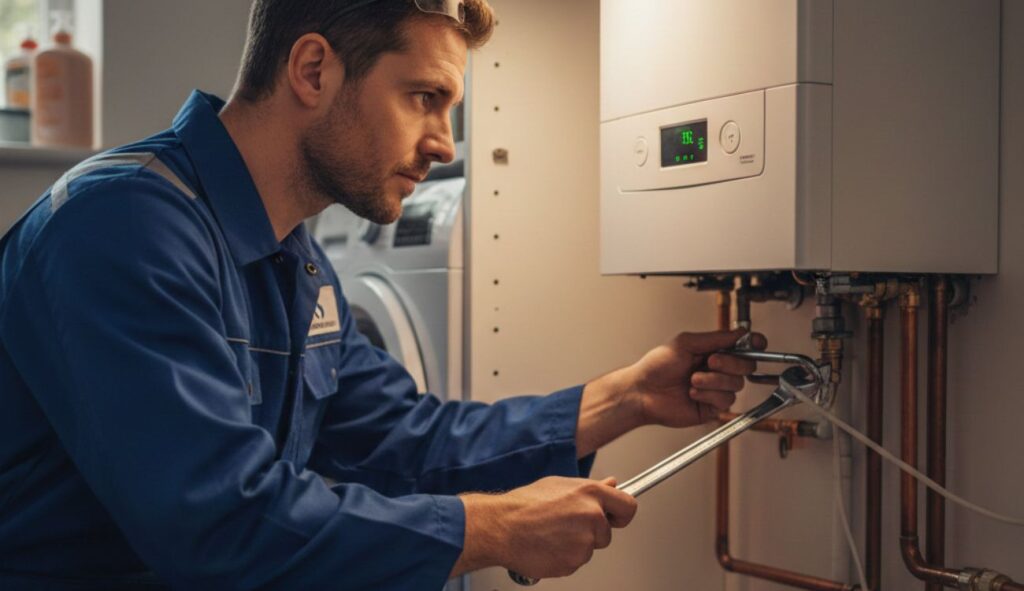
These ensure compliance with standards like MCS 025. Future Group Training’s Low Temperature Hot Water Heating Systems 2-Day Course (£474, saving £76 from £550) covers design, installation, commissioning, and maintenance of energy-efficient low-temperature setups optimised for heat pump performance. This course is ideal for upskilling—sign up now to meet employer requirements and secure premium positions in sustainable heating.
[/vc_column_text][/vc_column][/vc_row]How Do You Meet Compliance and Certification Standards?
You meet compliance and certification standards by obtaining relevant technical qualifications and joining an MCS-approved scheme, which requires demonstrating competence in specific technologies and adherence to quality standards for consumer protection.
Why Choose Heat Pump Installation as Your Entry Point?
Heat pump installation serves as an excellent entry point into renewable energy due to surging demand from the Boiler Upgrade Scheme’s continued funding (£295 million for 2025/26 and beyond), installer shortages, and the focus on replacing fossil fuel heating with efficient alternatives.
Future Group Training’s BPEC suite, with savings up to 15% and all equipment provided in programmes like the 3-Day Air Source Heat Pump course, delivers targeted preparation.
Gain specialised skills in fault diagnosis and efficient commissioning—join today to launch a stable, impactful career with strong earning potential up to £75,000.
[/vc_column_text][/vc_column][/vc_row]What Steps Follow Training to Secure Renewable Installer Jobs?
Steps following training to secure renewable installer jobs include updating your CV with certifications, registering with MCS via an approved body, networking on platforms like Checkatrade, and applying to specialist employers or starting self-employed services.
Future Group Training’s accredited, practical courses align directly with these requirements, enhancing your employability in low-carbon sectors.
By completing our discounted programmes, you’ll be equipped to contribute to net zero goals while enjoying flexible, high-reward opportunities—enrol now to accelerate your transition into this thriving industry.
[/vc_column_text][/vc_column][/vc_row]FAQs
What prior trade background is typically preferred for heat pump courses?
Courses often favour those with NVQ Level 2/3 in plumbing, heating, or gas engineering, or equivalent experience, though some accept motivated entrants with evidence of relevant skills for foundational entry.
How does MCS registration process work after completing BPEC training?
After BPEC qualification, apply to an MCS certification body with proof of competence, quality management systems, and insurance; initial assessments and audits lead to certification, renewable every 5 years with CPD.
What role does F-Gas certification play in heat pump work?
F-Gas handling certification is required if working on systems with refrigerants above certain thresholds, focusing on safe refrigerant management—many air source heat pump courses cover non-refrigerant aspects separately.
Are there funding options for mature entrants transitioning to renewables?
Mature workers may access Adult Skills Fund support or advanced learner loans for eligible courses, with repayments starting only above income thresholds, easing the shift from traditional trades.
How do heat pump installer roles vary between domestic and commercial sectors?
Domestic work focuses on residential retrofits with grants, often involving smaller systems and customer interaction, while commercial installations handle larger capacities, requiring additional design knowledge and potentially higher day rates.
[/vc_column_text]