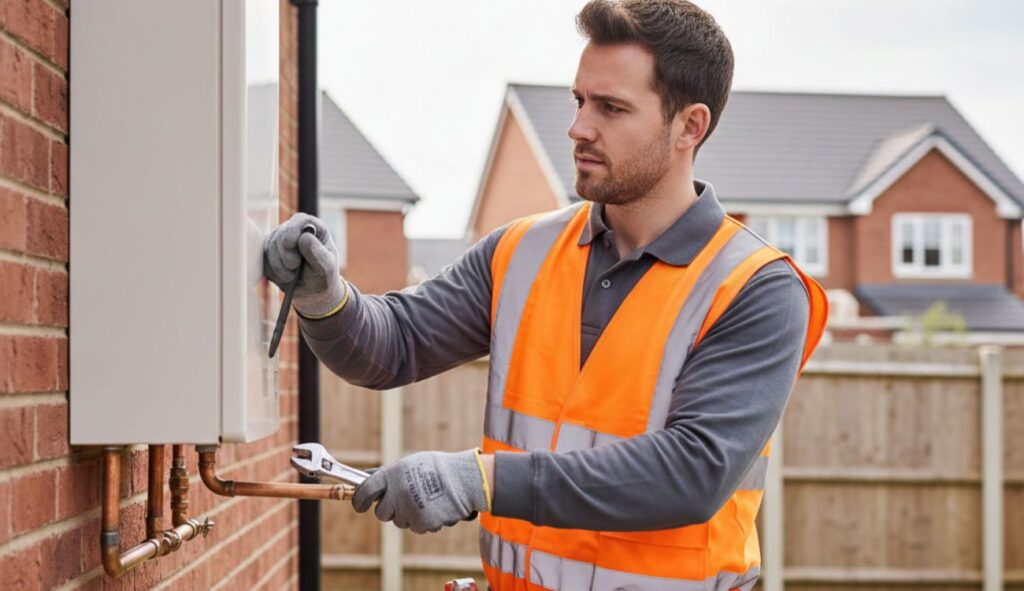

Becoming a self-employed tradesperson offers freedom, higher earning potential, and the chance to specialise in booming fields like low-carbon heating. In the UK, many skilled professionals transition to sole trader status in renewable technologies, such as installing air source heat pumps, to meet surging demand while enjoying flexible work and potential incomes up to £75,000 or more.
How Can You Become a Self-Employed Tradesperson with Specialised Skills?
You can become a self-employed tradesperson with specialised skills by first gaining industry-recognised qualifications in high-demand areas like heat pump installation, then registering as a sole trader with HMRC and building your client base. Start with practical, hands-on training to acquire the technical expertise employers and customers value.
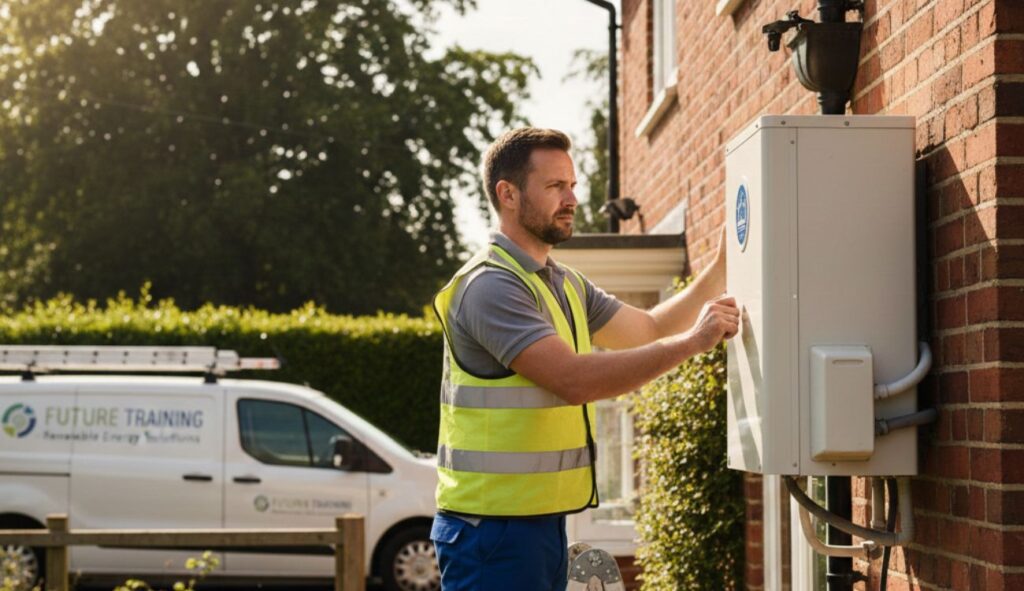
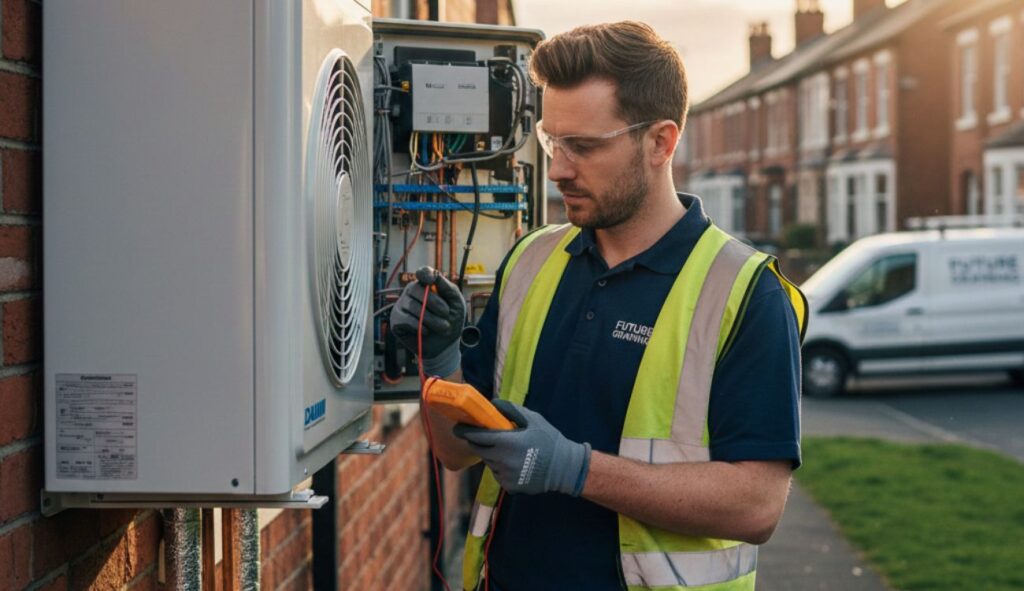
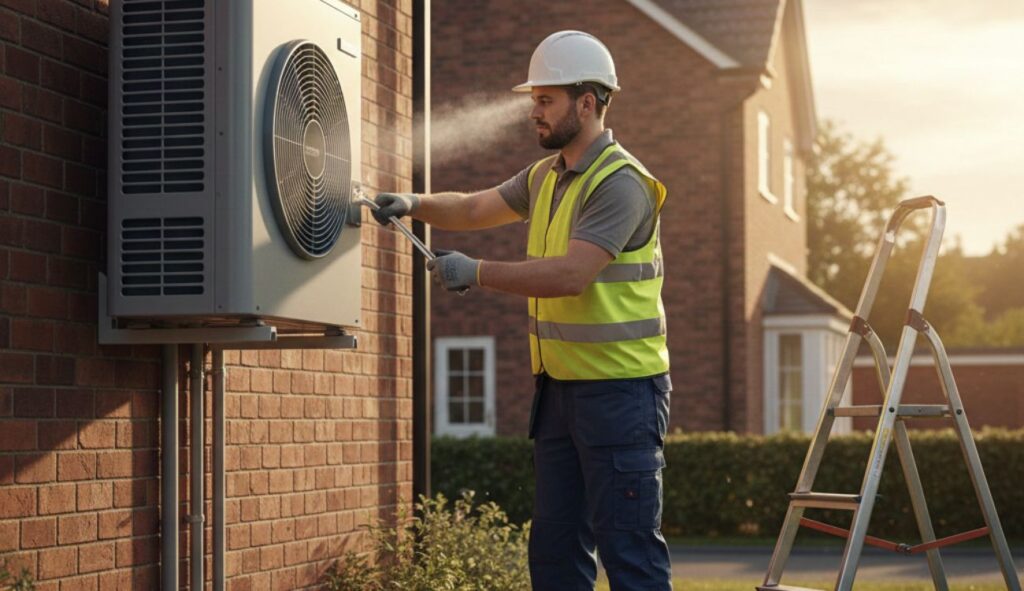
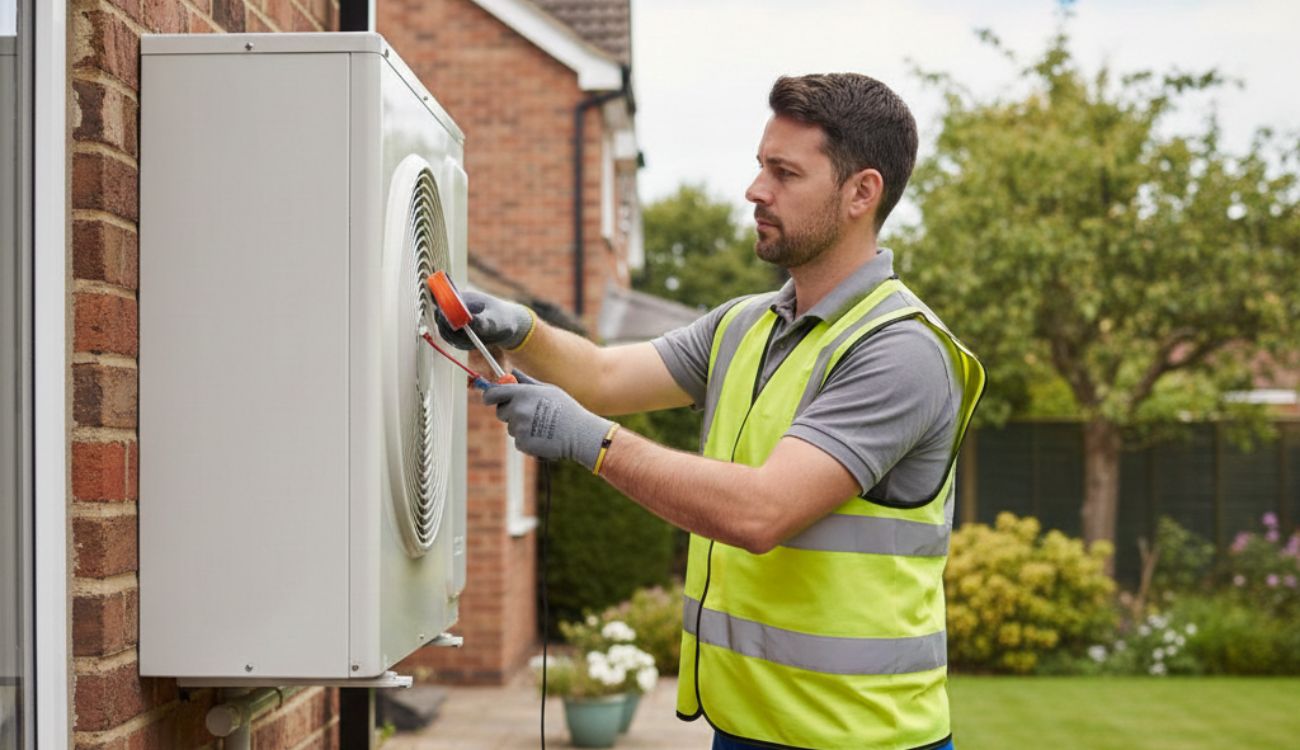
Future Group Training’s BPEC-certified Domestic Air Source Heat Pump 3-Day Course, priced at £654 with grants available and up to 15% discounts, provides comprehensive training in installation, commissioning, maintenance, and fault diagnosis of domestic air source heat pumps.
This course held in Newcastle equips you with the credentials needed to operate independently in sustainable heating. By completing it, you’ll position yourself to launch as a self-employed installer amid severe shortages, enjoying the autonomy of setting your own rates and schedule while contributing to greener homes—enrol today to kickstart your independent career.
What Qualifications Do You Need to Go Self-Employed in Renewable Heating?
The qualifications you need to go self-employed in renewable heating include BPEC-accredited certifications that demonstrate competence in low-carbon systems, enabling you to comply with regulations and access schemes like the Boiler Upgrade Scheme.
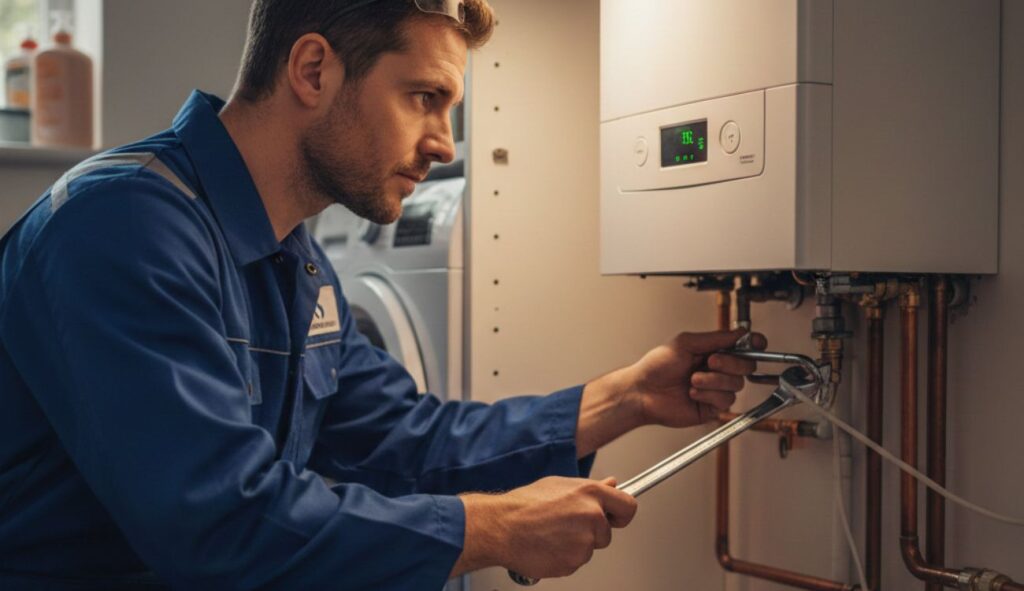
These credentials build trust with clients and allow you to charge premium rates as an independent professional. Future Group Training’s Low Temperature Hot Water Heating Systems 2-Day Course, now £474 (saving £76 from £550), covers design, installation, commissioning, and maintenance of energy-efficient heating setups ideal for heat pump integrations.
This programme is perfect for gas engineers transitioning to self-employment in renewables. With these qualifications, you’ll confidently offer specialised services, capitalise on the growing market for efficient heating, and scale your business—sign up now to gain the edge that turns expertise into profitable independence.
[/vc_column_text][/vc_column][/vc_row]How Do You Handle Registration and Compliance as a Self-Employed Installer?
You handle registration and compliance as a self-employed installer by registering as a sole trader with HMRC for Self Assessment, securing necessary insurances like public liability, and obtaining relevant scheme memberships for credibility. This setup ensures you’re legally operational and attractive to clients seeking certified professionals.
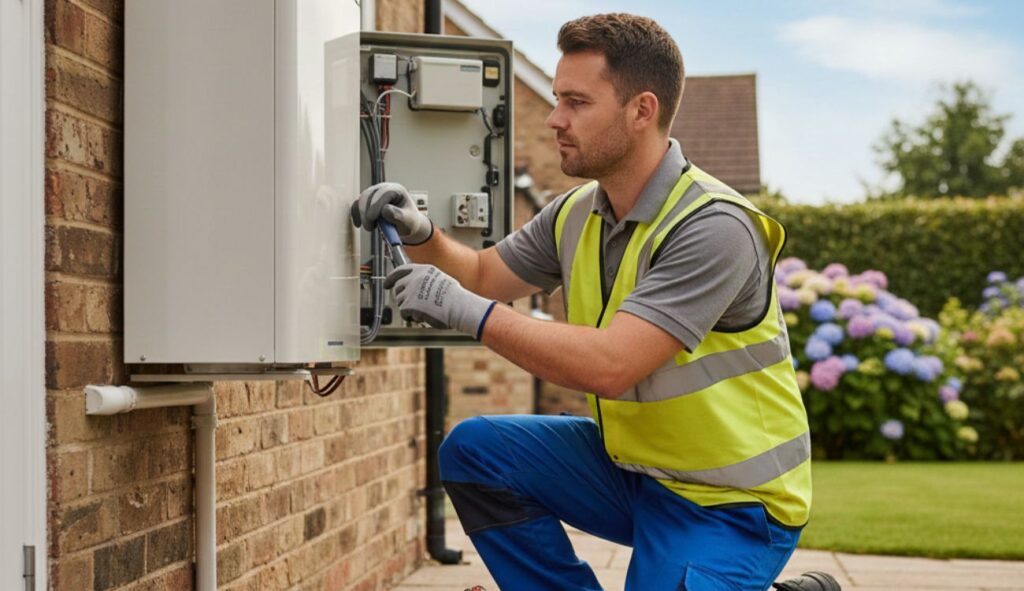
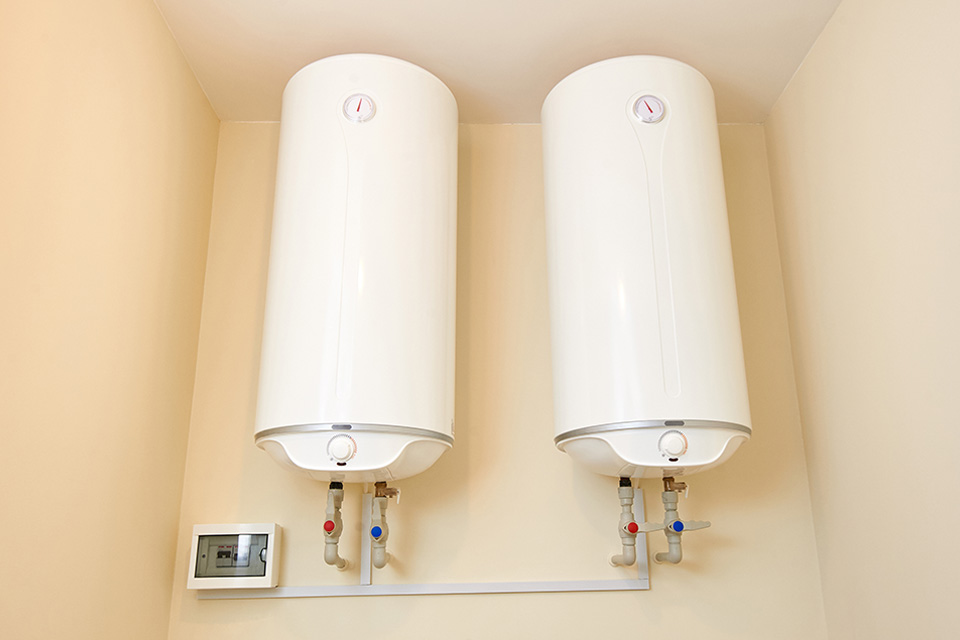
Pair this with Future Group Training’s Domestic Hot Water Storage Systems (Unvented) G3 1-Day Course at £288 (saving £46), which teaches compliant design, installation, servicing, and maintenance of unvented systems essential for heat pump compatibility.
It fast-tracks your ability to meet G3 regulations independently. As a self-employed tradesperson with these certifications, you’ll navigate the sector’s requirements effortlessly, build a reputable business, and tap into consistent work from the net zero transition—enrol to secure your compliant, profitable future.
[/vc_column_text][/vc_column][/vc_row]Why Choose Self-Employment in Heat Pump Installation for Your Career?
Self-employment in heat pump installation offers unmatched benefits for your career, including higher potential earnings—often £66,000+ gross annually for sole traders—flexible hours, and direct control over your growth in a sector with persistent installer shortages. The UK’s push for 600,000 annual heat pump installations by 2028 creates endless opportunities for independent specialists.
Future Group Training’s suite of BPEC courses, with practical training and discounts up to 15%, prepares you perfectly for this path, from upskilling in low-temperature systems to mastering unvented hot water storage. Our courses help you transition from employed roles to running your own business, commanding premium day rates in sustainable energy.
Embrace independence, achieve financial rewards up to £75,000, and make a real environmental impact—join their courses to launch your self-employed journey successfully.
[/vc_column_text][/vc_column][/vc_row]What Steps Can You Take to Build and Grow Your Self-Employed Business in Renewables?
The steps you can take to build and grow your self-employed business in renewables include marketing your certified services, networking for leads, and continually upskilling to offer comprehensive low-carbon solutions. Focus on high-demand niches like air source heat pumps to attract clients under government incentives.
Future Group Training supports this growth with their accredited, hands-on courses that provide the foundation for independent success, including fault diagnosis and efficient system maintenance. Our training aligns with net zero goals and addresses the critical shortage of qualified installers.
By enrolling, you’ll gain the tools to establish a thriving sole trader operation, scale through word-of-mouth and grants, and enjoy long-term stability in green technologies—start today to turn your skills into a rewarding, self-directed career.
[/vc_column_text][/vc_column][/vc_row]FAQs
What insurance is essential for self-employed heat pump installers?
Public liability insurance (typically £1-5 million cover) protects against property damage or injury claims, while professional indemnity covers advice-related issues—many clients require proof before hiring sole traders in renewables.
How does VAT registration work for self-employed tradespeople in heating?
You must register for VAT if your taxable turnover exceeds £90,000 annually (2025/26 threshold); voluntary registration below this allows reclaiming VAT on tools and materials, benefiting those investing in specialist equipment.
Can self-employed installers access the Boiler Upgrade Scheme directly?
Yes, as an MCS-certified installer (often achievable post-BPEC training), you can apply for grants on behalf of clients, streamlining payments and boosting your appeal as an independent provider of subsidised low-carbon installations.
What marketing strategies suit new self-employed renewable tradespeople?
Leverage local online directories, Google Business Profile for visibility, social media showcasing before-and-after installs, and partnerships with estate agents or energy assessors to generate steady domestic leads.
How often must self-employed heat pump specialists update qualifications?
Most schemes require annual CPD (around 10-15 hours) on evolving regulations and technologies, plus periodic MCS re-certification every 5 years, ensuring ongoing compliance and access to grant-eligible work.
[/vc_column_text]