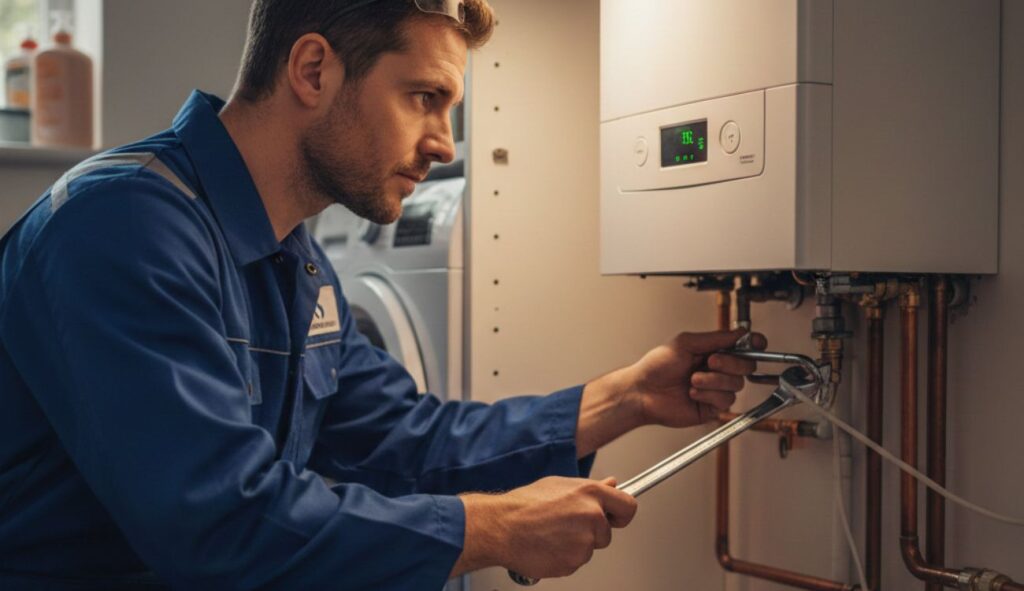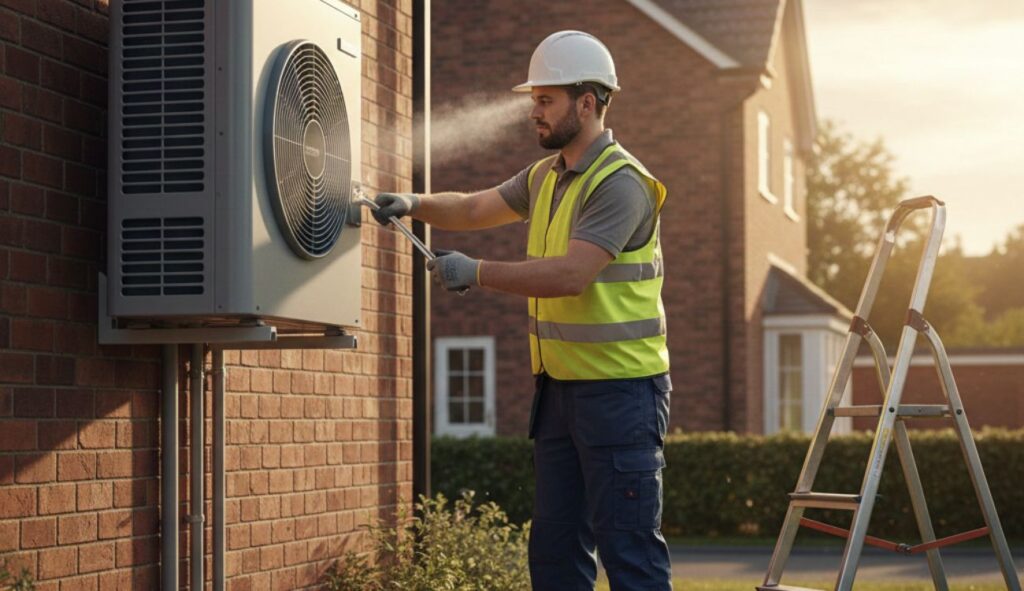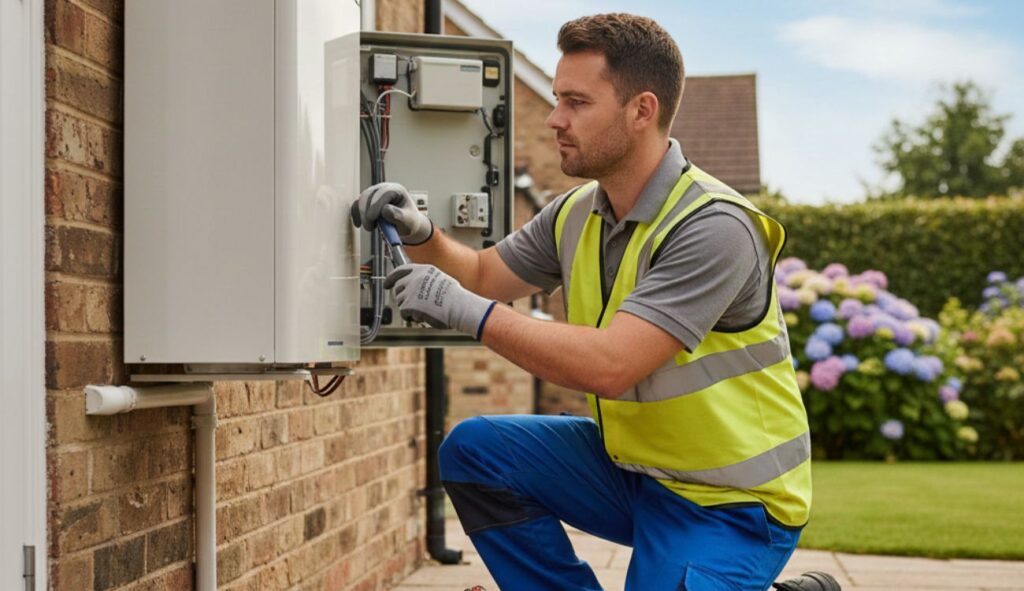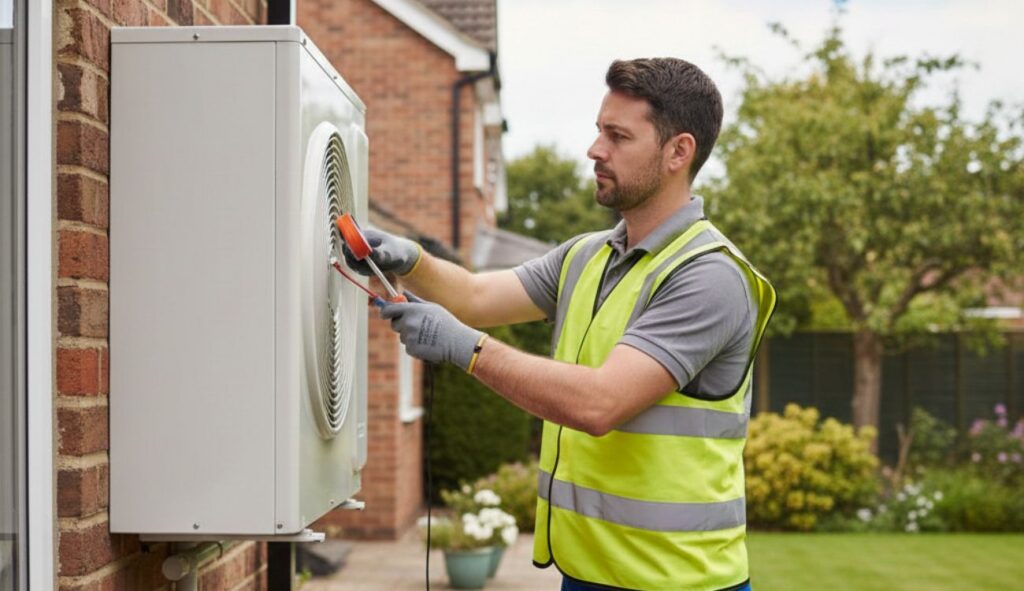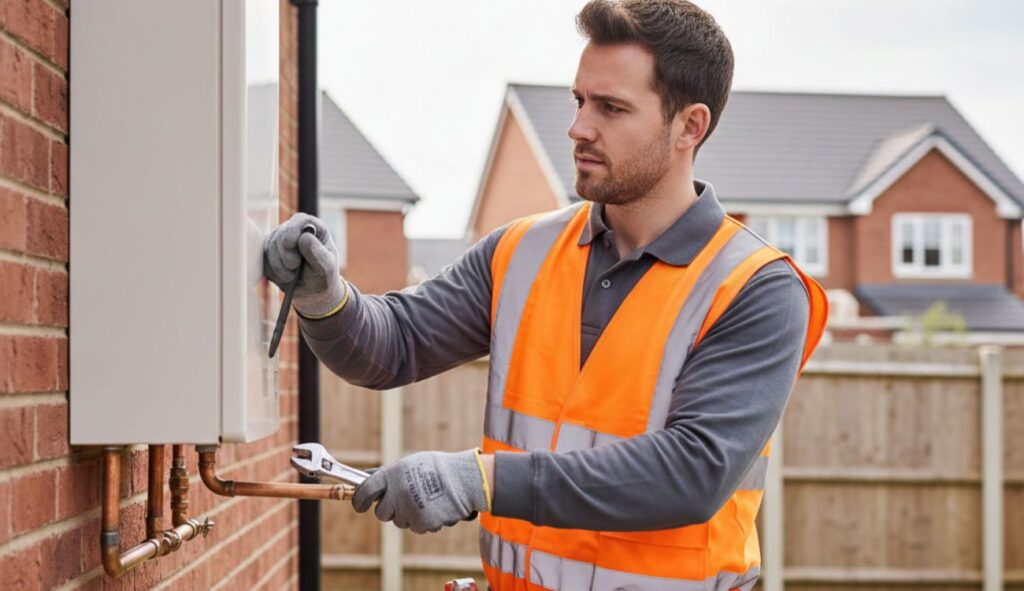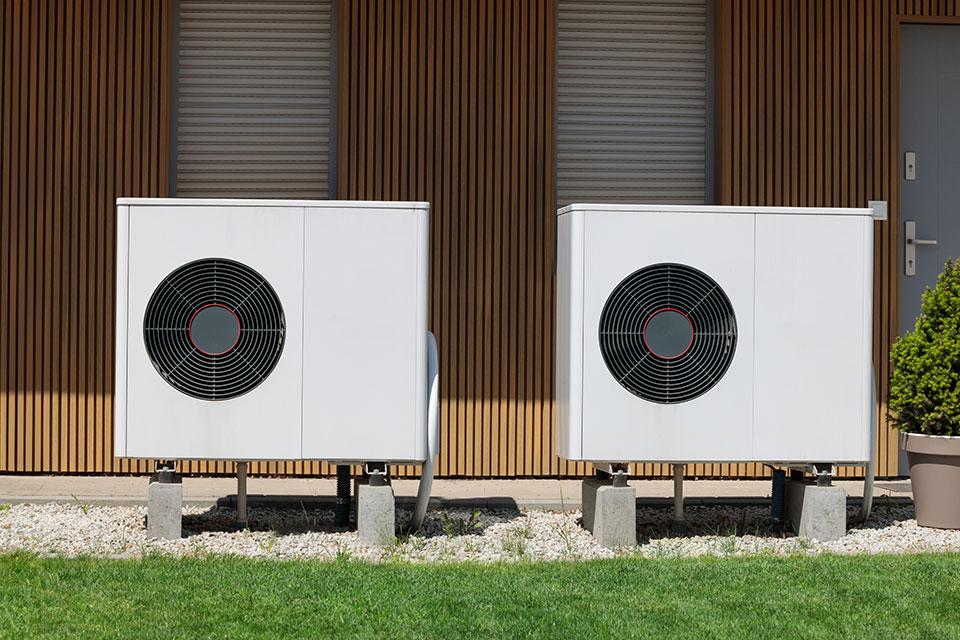

If you’re an installer wanting to make the move to heat pump installation, this guide provides essential insights for heating professionals seeking to transition into the expanding renewable energy sector.
With the UK aiming for 600,000 annual heat pump installations by 2028 and ongoing government support through schemes like the Boiler Upgrade Scheme offering £7,500 grants, now is an opportune time for gas engineers, plumbers, and other tradespeople to upskill.
Future Group Training’s BPEC-accredited courses deliver hands-on expertise, helping you secure rewarding positions in low-carbon heating while addressing the national installer shortage.
What Steps Can Installers Take to Make the Move to Heat Pumps?
Installers can take the move to heat pumps by starting with an assessment of their current skills and pursuing targeted training to gain specialised qualifications in renewable systems.
Begin by reviewing your existing credentials, such as Gas Safe registration or plumbing NVQs, which often serve as entry points for heat pump courses.
Next, enrol in accredited programmes that cover installation, maintenance, and system design, ensuring compliance with standards like MCS for grant-eligible work.
Gain practical experience through workshops or on-site placements, and finally, register with certification bodies to start professional installations.
Future Group Training facilitates this journey with their practical, BPEC-certified offerings in Newcastle, including the Domestic Air Source Heat Pump 3-Day Course for £654, equipping you to confidently handle real-world projects and tap into salaries up to £75,000.
[/vc_column_text][/vc_column][/vc_row]Evaluating Your Current Skills
Assess qualifications like ACS gas competencies or electrical knowledge, as these directly support heat pump hydraulics and controls, minimising the need for extensive foundational retraining.
Seeking Practical Placements
Secure hands-on opportunities with renewable firms; Future Group Training’s simulated environments in their courses provide immediate application, bridging theory to practice for faster career progression.
[/vc_column_text][/vc_column][/vc_row]What Training Is Needed for Installers Transitioning to Heat Pumps?
The training needed for installers transitioning to heat pumps includes core modules on air source systems, low-temperature heating, and unvented hot water storage to ensure safe and efficient installations.
Key courses involve a Level 3 award in heat pump technology, focusing on non-refrigerant circuits, commissioning, and fault diagnosis. Complement this with certifications in Water Regulations and G3 for compliance.
Future Group Training’s suite of BPEC-accredited programmes, such as the 2-Day Low Temperature Hot Water Heating Systems Course at £474 (with 15% discount), and the 1-Day Domestic Hot Water Storage Systems (Unvented) G3 for £288, offer intensive, expert-led sessions that prepare you for MCS accreditation and thriving in the UK’s net zero-driven market.
[/vc_column_text][/vc_column][/vc_row]Choosing the Right Course Sequence
Opt for a logical progression: Start with unvented systems if required, then low-temperature heating, followed by specific heat pump training. Bundling these at Future Group Training streamlines your upskilling and maximises cost savings.
Utilising Funding Opportunities
Leverage the Heat Training Grant for up to £500 rebates on approved courses, available through March 2026 and extended for design elements until then, making Future Group Training’s affordable options even more accessible.
How Do Installers Achieve Certification for Heat Pump Work?
Installers achieve certification for heat pump work by completing recognised qualifications and applying to schemes like MCS, which verify competence for government-funded installations.
After training, compile evidence of your BPEC or equivalent awards, along with insurance and quality assurance details, for assessment by bodies such as NICEIC or NAPIT.
Successful certification allows access to the Boiler Upgrade Scheme, enhancing your service offerings. Future Group Training’s courses are designed to meet these standards, providing the necessary documentation from their 3-day ASHP programme to expedite your MCS registration and enable you to deliver high-quality, incentive-eligible systems.
[/vc_column_text][/vc_column][/vc_row]Preparing Application Documentation
Gather course certificates, installation portfolios, and compliance proofs; Future Group Training’s structured training ensures you have robust records to support a seamless certification process.
Maintaining Ongoing Compliance
Stay updated with refresher courses and industry changes; MCS requires annual audits, and Future Group Training’s network offers continued professional development for long-term success.
[/vc_column_text][/vc_column][/vc_row]Why Is Transitioning to Heat Pumps Beneficial for Installers?
Transitioning to heat pumps is beneficial for installers due to the sector’s growth, job security, and higher earning potential amid the UK’s push towards net zero emissions. With demand surging and a persistent skills gap, certified professionals enjoy diverse opportunities, from domestic to commercial projects, often commanding premiums over traditional roles.
This shift also aligns with sustainability goals, offering fulfilment in reducing carbon footprints. Enrol in Future Group Training’s hands-on courses in the North East to gain a competitive edge, positioning yourself for roles in a market projected to install hundreds of thousands of units annually.
[/vc_column_text][/vc_column][/vc_row]Enhancing Earning Potential
Heat pump specialists frequently earn more, with self-employed rates up to £75,000, driven by grants and high-volume work; Future Group Training graduates quickly capitalise on this through their practical skills.
Contributing to Environmental Goals
By installing efficient systems, you’ll aid in cutting household emissions, supporting national targets; Future Group Training’s focus on low-carbon tech empowers you to make a meaningful impact.
FAQs
What role do manufacturer-specific trainings play in heat pump transitions?
Many brands offer bespoke sessions on their models, complementing general certifications and providing warranties or partnership perks for enhanced installation expertise.
How does site assessment differ for heat pumps compared to gas systems?
Heat pump evaluations emphasise home insulation levels, radiator sizing, and outdoor unit placement to optimise efficiency, often requiring tools like heat loss calculators.
Can installers combine heat pumps with hybrid systems during transition?
Yes, hybrids blending gas boilers with heat pumps allow gradual shifts, maintaining familiarity while introducing renewables for versatile service offerings.
What marketing strategies help new heat pump installers attract clients?
Leverage online directories, MCS listings, and local eco-events to showcase credentials, building trust through case studies and grant awareness.
How do regional variations affect heat pump installation opportunities in the UK?
Northern areas may see higher demand due to colder climates and grant incentives, while urban zones focus on space constraints, influencing specialised training needs.
[/vc_column_text]