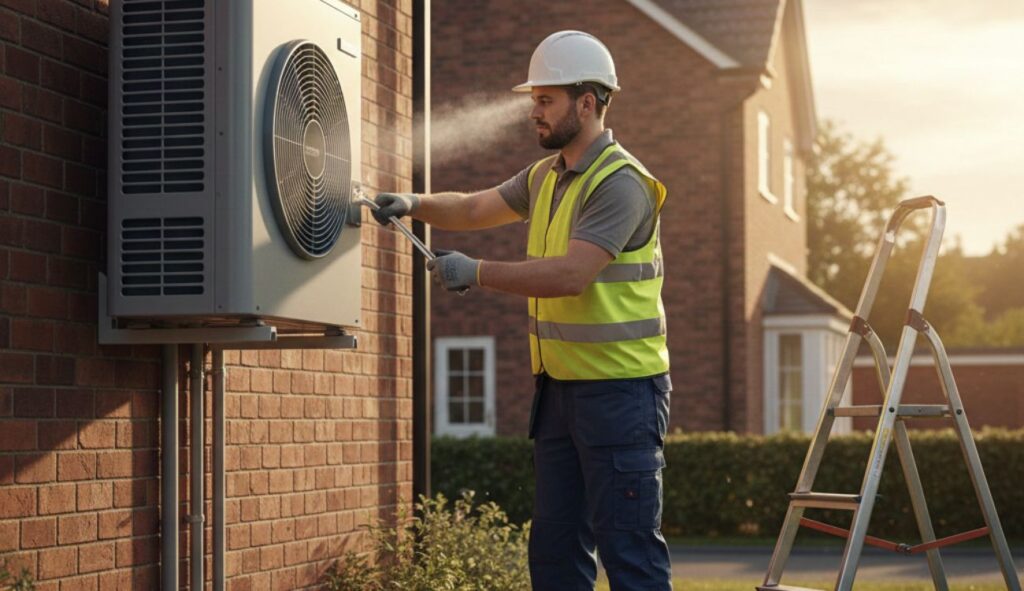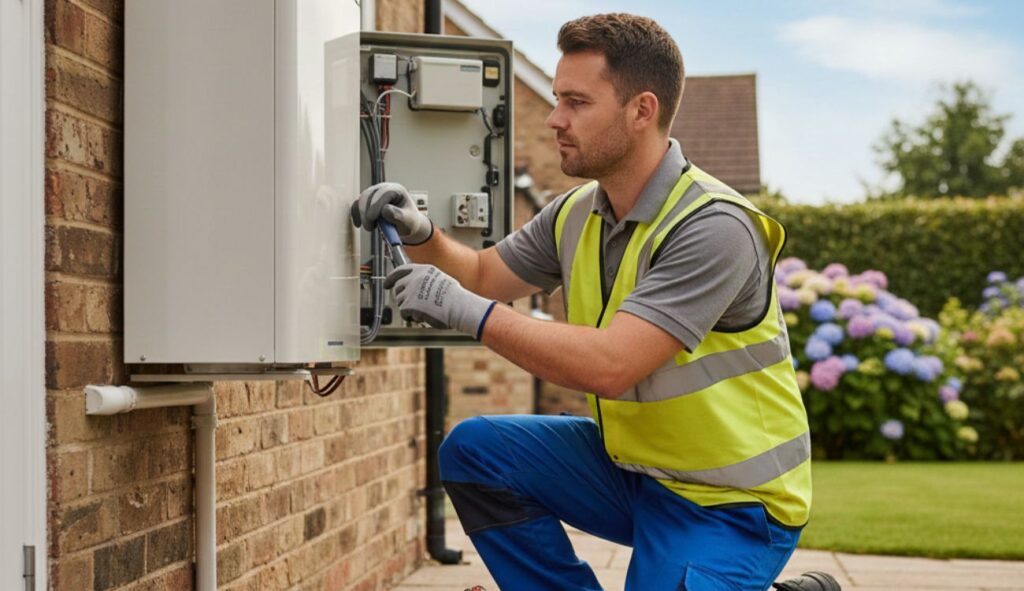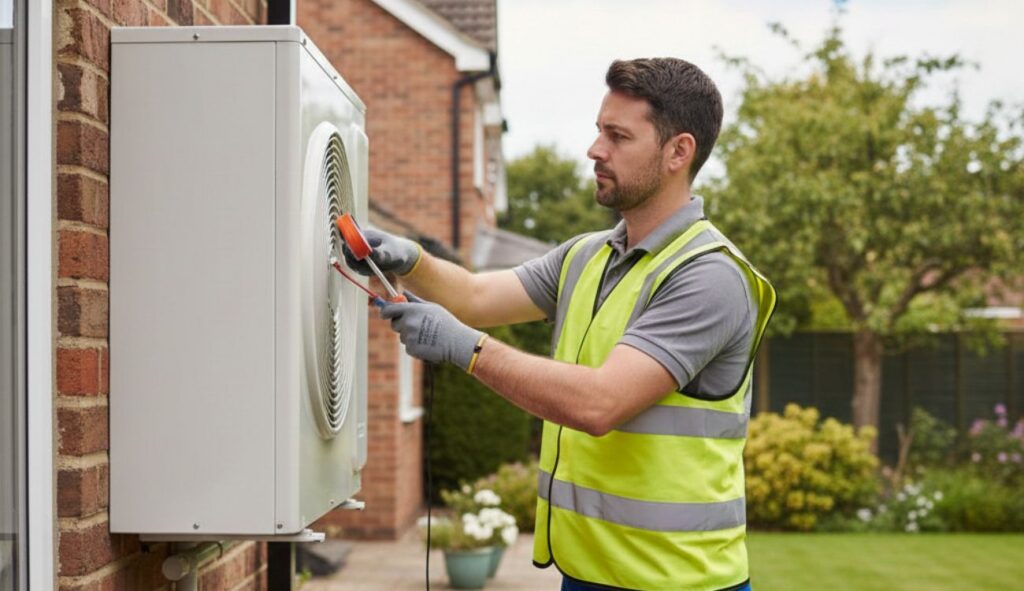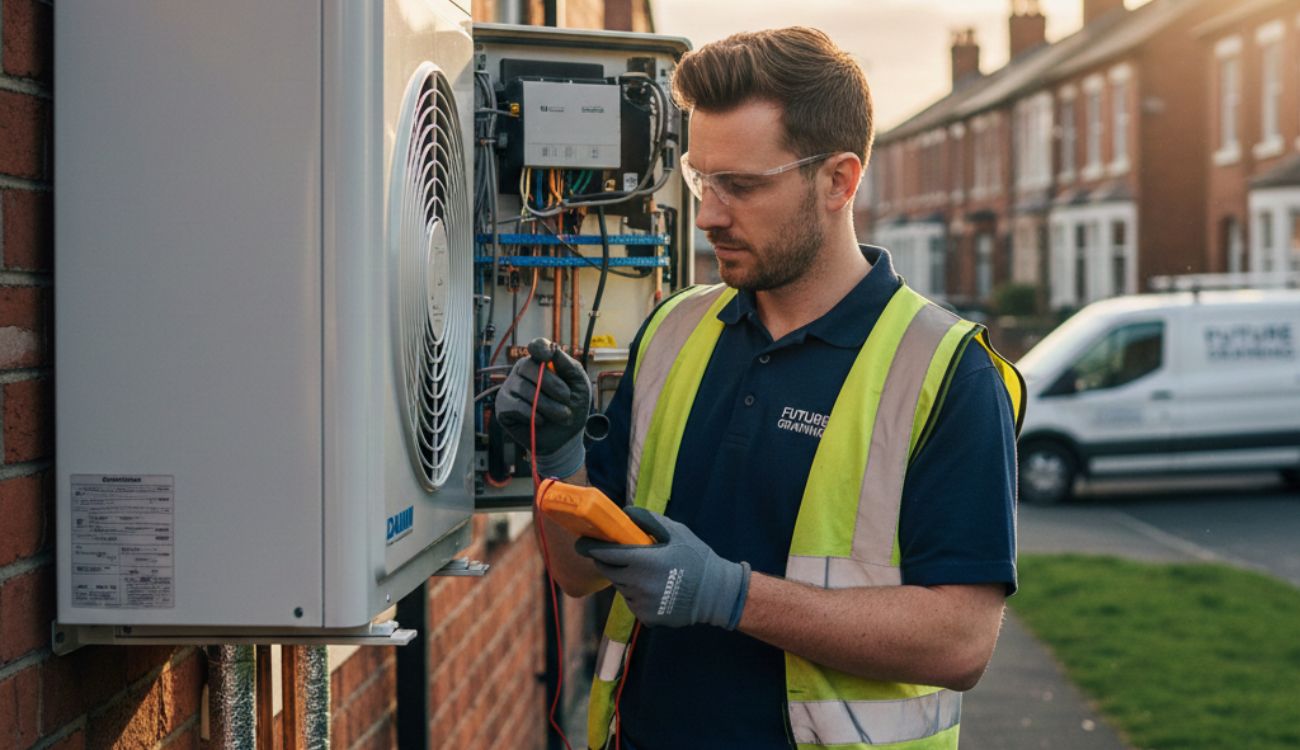

Heating engineers can future-proof their career by acquiring specialised qualifications in renewable heating systems, particularly air source heat pumps, to meet evolving market demands and secure long-term opportunities in sustainable energy.
As the UK advances towards net zero emissions by 2050 with targets for over 450,000 annual heat pump installations by 2030, professionals who expand beyond traditional gas and boiler work gain a competitive advantage in a sector facing ongoing installer shortages.
How Can Heating Engineers Future-Proof Their Career Through Upskilling?
Heating engineers can future-proof their career through upskilling by completing targeted BPEC-accredited training in low-carbon heating, enabling them to offer comprehensive services in energy-efficient systems and capitalise on government incentives. This transition enhances employability amid the shift from fossil fuels.
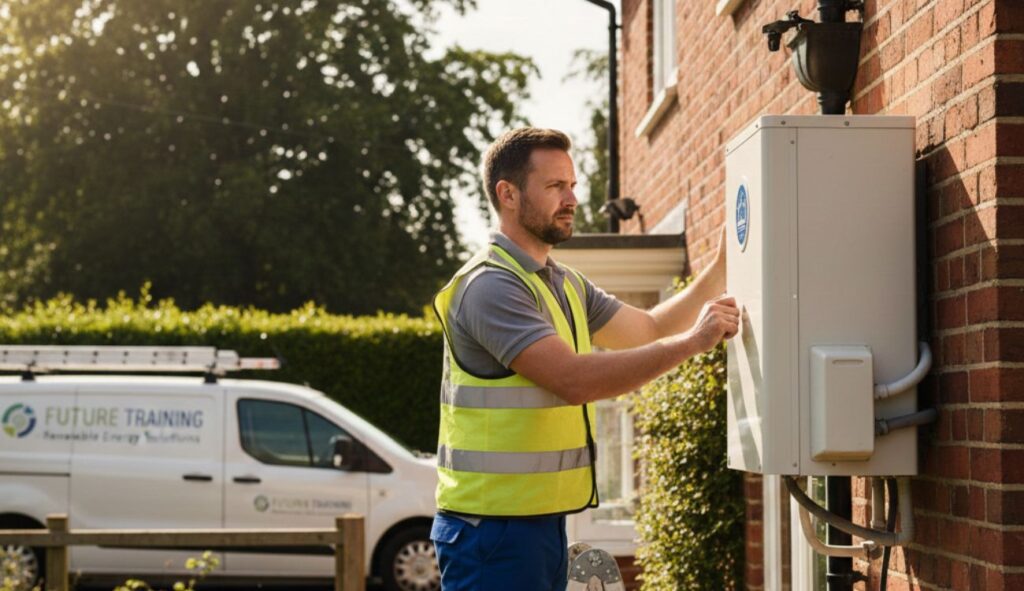
Future Group Training’s Domestic Air Source Heat Pump 3-Day Course (£654, grant available, up to 15% savings) provides intensive hands-on instruction in installation, commissioning, maintenance, and fault diagnosis of domestic air source heat pumps.
Held in Newcastle, this programme equips experienced heating engineers to diversify quickly—enrol today to access high-demand roles, boost your earning potential up to £75,000, and contribute to greener UK homes.
What Salary Benefits Come from Adding Heat Pump Expertise?
Salary benefits from adding heat pump expertise include significant increases, with dual-qualified heating engineers often earning £45,000–£75,000 annually compared to traditional roles, thanks to specialist demand and premium rates for low-carbon installations. Experienced professionals command higher pay in a shortage-hit market.
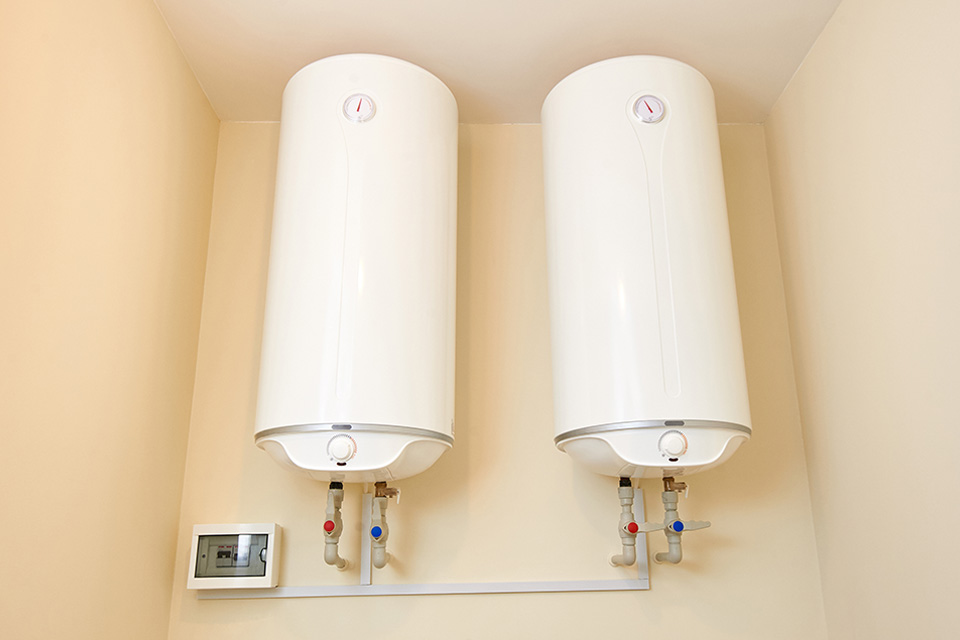
Future Group Training’s Low Temperature Hot Water Heating Systems 2-Day Course (£474, saving £76 from £550) covers design, installation, commissioning, and maintenance of energy-efficient low-temperature setups ideal for heat pump compatibility.
This BPEC-certified training positions you for lucrative opportunities in sustainable heating—sign up now to elevate your income while aligning with net zero progress.
[/vc_column_text][/vc_column][/vc_row]How Does the Net Zero Transition Impact Heating Engineers’ Job Security?
The net zero transition impacts heating engineers’ job security positively by creating expanded roles in hybrid and renewable systems rather than replacement, as millions of existing homes require ongoing maintenance and upgrades alongside low-carbon adoption.
No outright ban applies to gas boilers in current properties, preserving core work while opening green pathways.
Why Is Now the Ideal Time for Heating Engineers to Train in Renewables?
Now is the ideal time for heating engineers to train in renewables due to surging heat pump installations (with growth continuing in 2025-2026), persistent skills gaps requiring thousands more qualified specialists, and supportive schemes like the Boiler Upgrade Scheme driving client demand. Early upskilling secures market leadership.
Future Group Training’s BPEC suite, with discounted pricing (up to 15% savings) and all materials included in courses like the 3-Day Air Source Heat Pump programme, delivers job-ready expertise tailored for heating professionals.
These hands-on qualifications address critical shortages—join today to expand your services, increase client base, and thrive in sustainable energy.
[/vc_column_text][/vc_column][/vc_row]What Additional Advantages Do Certified Heat Pump Skills Provide?
Certified heat pump skills provide additional advantages such as eligibility for government grants on installations, enhanced professional credibility through MCS pathways, and opportunities for self-employment or business growth in a high-growth sector. These credentials support diversified income streams.
Future Group Training’s comprehensive, accredited programmes prepare you fully for fault diagnosis, efficient commissioning, and low-carbon compliance.
By investing in these accessible courses, you’ll gain long-term career stability, environmental impact, and financial rewards—enrol to secure your prosperous future in the heating industry’s green evolution.
[/vc_column_text][/vc_column][/vc_row]FAQs
What prior experience is typically needed for heat pump courses?
Most BPEC heat pump programmes prefer but do not always mandate gas safe registration or plumbing backgrounds; some accept motivated entrants with basic trade skills, while others build directly on existing heating qualifications.
How do heat pumps perform in colder UK climates compared to gas systems?
Modern air source heat pumps maintain efficiency down to -15°C with advanced defrost cycles and can integrate with existing radiators when properly sized, often outperforming older boilers in well-insulated properties.
What MCS certification steps follow BPEC heat pump training?
After BPEC completion, installers apply to join an MCS certification scheme via an approved body, involving quality management review, site audits, and product registration to access grant-eligible work.
Are there regional differences in heat pump demand across the UK?
Demand is particularly high in urban retrofit areas and regions with older housing stock requiring energy upgrades, though rural properties often favour ground-source options for optimal performance.
What maintenance do heat pumps require compared to traditional boilers?
Heat pumps need annual servicing including filter cleaning, refrigerant checks, and electrical inspections—similar to boilers but with fewer combustion-related issues, creating reliable ongoing contract opportunities for certified engineers.
[/vc_column_text]