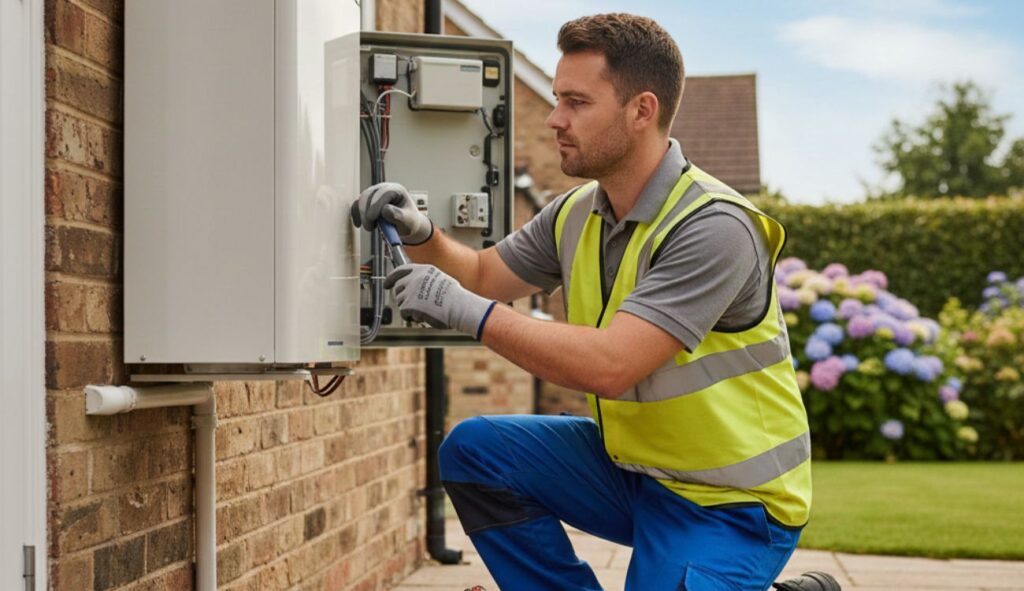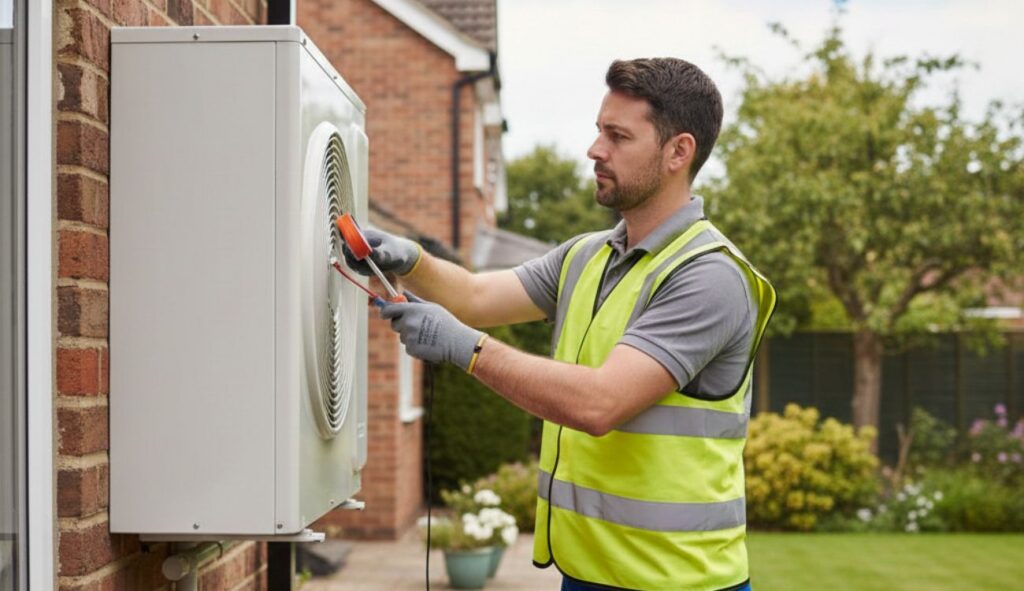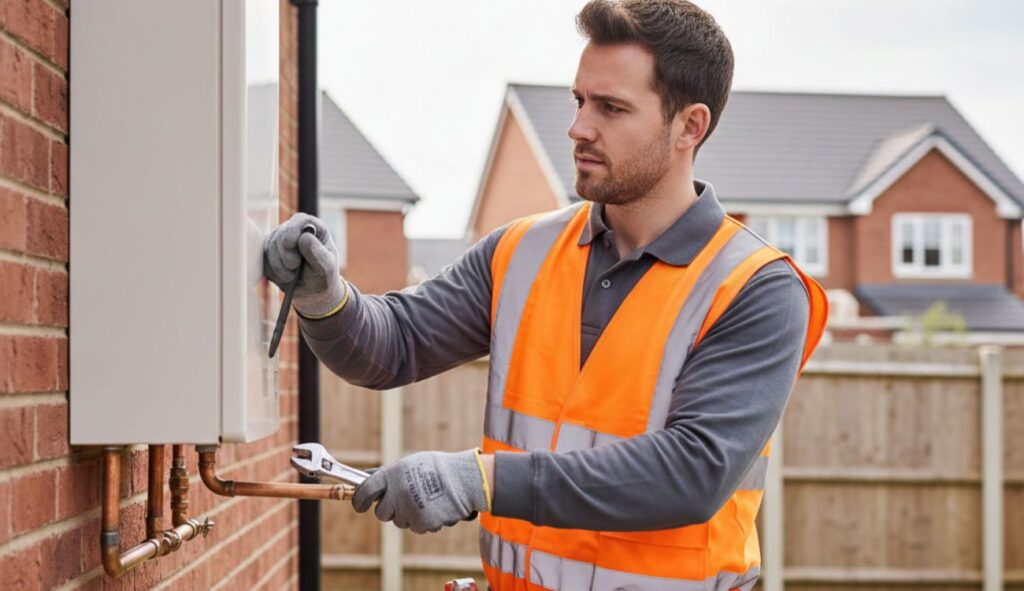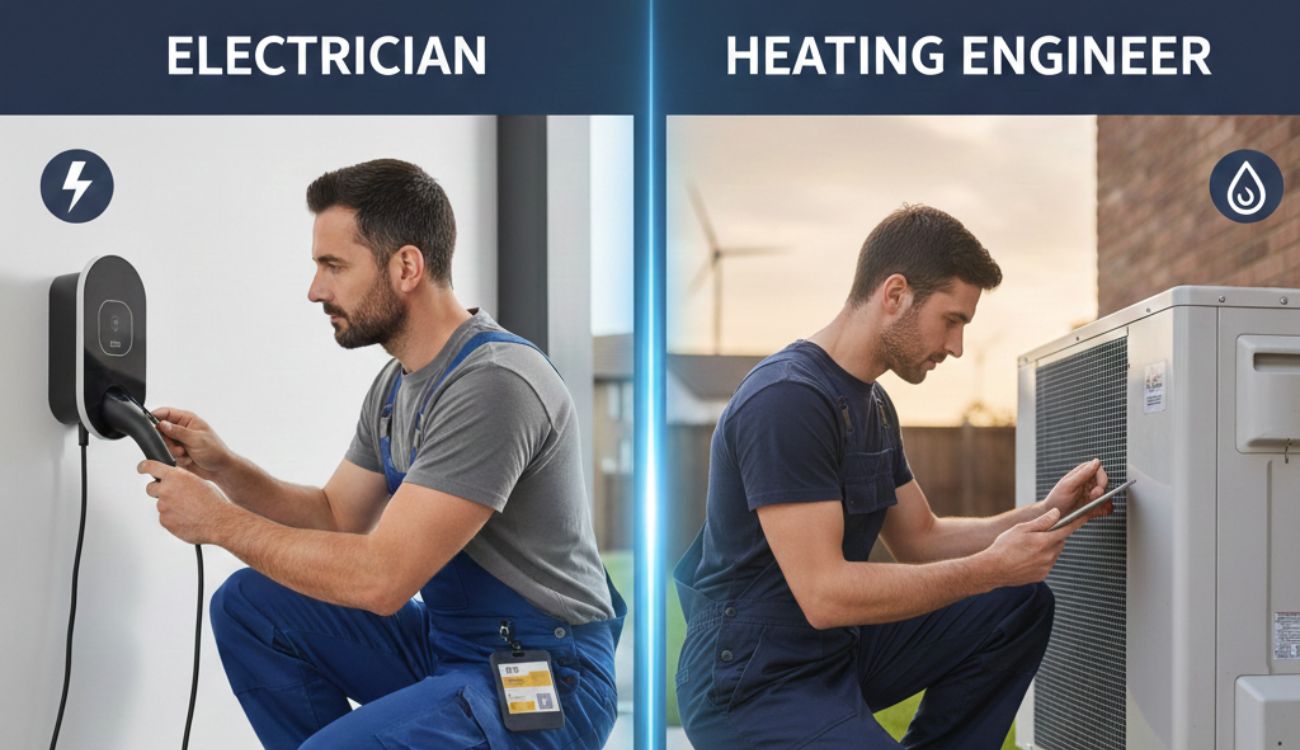

When comparing electrician vs heating engineer: which pays more, both trades offer competitive salaries in the UK, with averages around £39,000–£40,000 annually, but heating engineers often edge ahead through specialisations in low-carbon systems like heat pumps amid net zero transitions.
With persistent skills shortages in construction and sustainable energy, these vocational roles provide job security and growth potential, especially for those upskilling in efficient heating technologies to meet government targets for cleaner homes.
Which Pays More: Electrician or Heating Engineer?
Electrician vs heating engineer: which pays more depends on experience, location, and specialisations, but heating engineers typically earn slightly higher averages at £40,307 annually compared to electricians’ £39,249 mean, with renewables boosting heating roles further.
Data from the Office for National Statistics (ONS) Annual Survey of Hours and Earnings 2024 shows median full-time electrician salaries at £38,760, while Indeed reports heating engineers at £40,307 in England.
Self-employed or specialised professionals in either field can exceed £50,000, but heating engineers transitioning to low-carbon expertise often reach £62,000 or more.
Salary Comparison
| Aspect | Electrician | Heating Engineer |
|---|---|---|
| Entry-Level Salary | £26,000–£29,000 | £28,000–£33,000 |
| Average Annual Salary | £39,249 (mean) | £40,307 |
| Experienced Salary | £35,000–£45,000 | £42,000–£55,000 |
| Senior/Specialised Salary | £40,000–£60,000 | £48,000–£62,000 (renewables) |
| Hourly Rate | £18–£22 | £20–£28 |
| Self-Employed Potential | Up to £50,000+ | Up to £75,000+ (low-carbon) |
Sources: ONS ASHE 2024, Indeed November 2025, Reed, Staffs Training projections for 2026.
Future Group Training’s BPEC-certified Domestic Air Source Heat Pump 3-Day Course (£654, grant available, up to 15% savings) equips heating engineers with installation, commissioning, maintenance, and fault diagnosis skills for air source systems—enrol today for the course held in Newcastle to elevate your pay in high-demand sustainable heating.
[/vc_column_text][/vc_column][/vc_row]What Are the Pros and Cons of Being an Electrician?
The pros and cons of being an electrician include high earning potential and job security as key advantages, balanced against physical demands and safety risks.
Pros:
- Strong demand driven by UK skills shortages ensures steady, reliable work
- Average salaries around £39,249, with excellent flexibility for self-employment and day rates
- Wide variety of roles, from domestic wiring and fault-finding to large-scale commercial and industrial projects
- Opportunities to future-proof your career by specialising in green technologies such as EV charging points, solar PV integration, and smart home systems
Cons:
- High-risk environment with constant exposure to electrical hazards, requiring strict adherence to safety protocols at all times
- Physically demanding work, often involving awkward positions, working at heights, or in confined spaces
- Ongoing mandatory training and assessments needed to maintain certifications such as the JIB Gold Card or 18th Edition Wiring Regulations
For electricians looking to expand into renewables and increase earning potential, Future Group Training’s courses complement your existing electrical skills with heat pump expertise. Consider their Low Temperature Hot Water Heating Systems 2-Day Course (£474, saving £76 from £550) for hands-on training in efficient system design and installation, delivered in small classes at South Shields or Newcastle—enrol today to open doors to hybrid low-carbon roles.
[/vc_column_text][/vc_column][/vc_row]What Are the Pros and Cons of Being a Heating Engineer?
The pros and cons of being a heating engineer highlight in-demand expertise and salary growth as major strengths, offset by the need for adaptation to net zero changes and ongoing physical demands.
Pros:
- Excellent job security with consistent, year-round demand for boiler servicing, repairs, and new installations
- Competitive salaries starting at £28,000 and rising to £55,000+ (and up to £75,000 with renewable specialisations) for experienced professionals
- Diverse daily tasks ranging from domestic central heating repairs to complex commercial system upgrades
- Flexible working hours and strong self-employment opportunities, often with the potential for higher day rates
Cons:
- Exposure to gas-related safety risks, requiring ongoing Gas Safe registration and strict compliance with health and safety standards
- Need for continuous upskilling to adapt to the phase-out of fossil fuel boilers and the rise of low-carbon alternatives
- Competitive market with seasonal peaks (especially winter breakdowns) that can lead to demanding overtime periods
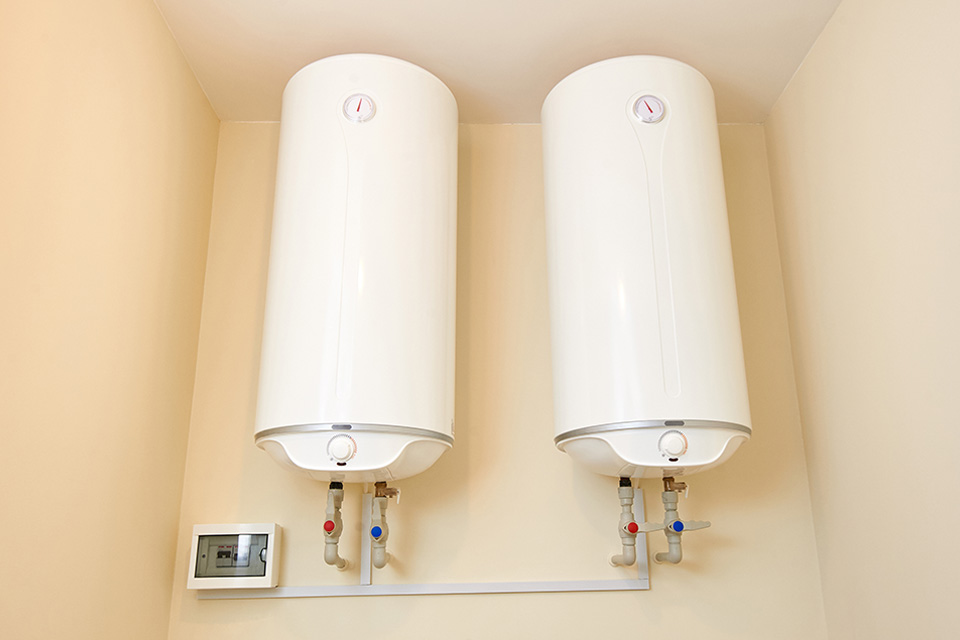
Future Group Training directly supports heating engineers in this transition by offering BPEC-accredited training. Their Domestic Hot Water Storage Systems (Unvented) G3 1-Day Course (£288, saving £46 from £334) provides essential knowledge of compliant unvented system design, installation, servicing, and maintenance—critical for heat pump integrations.
This course enhances your career resilience and opens higher-paying opportunities in sustainable heating—enrol now to stay ahead in the evolving industry.
[/vc_column_text][/vc_column][/vc_row]How Can Upskilling in Renewables Boost Earnings for Heating Engineers?
Upskilling in renewables can boost earnings for heating engineers by adding dual qualifications in low-carbon heating, enabling access to premium roles with salaries up to £75,000 amid installer shortages and government schemes like the Boiler Upgrade Scheme.
Specialising in efficient systems positions you for hybrid installations, where demand outpaces supply. Future Group Training’s suite of discounted courses (up to 15% savings) provides practical training tailored for heating professionals, including fault diagnosis and energy-efficient maintenance.
Gain BPEC credentials that open doors to higher-paying green jobs—sign up today to capitalise on net zero opportunities and secure long-term financial growth.
[/vc_column_text][/vc_column][/vc_row]Why Consider Transitioning from Electrician to Heating Engineer Specialisations?
Transitioning from electrician to heating engineer specialisations offers benefits like diversified skills in integrated systems, potentially higher pay in renewables, and alignment with UK’s clean energy goals requiring 41,000 more installers by 2030.
While electricians excel in wiring, heating roles add expertise in thermal efficiency. Future Group Training facilitates this with accessible, hands-on programmes that build on existing trades—enrol in their 3-Day Domestic Air Source Heat Pump Course to combine electrical knowledge with sustainable heating, enjoying grants and savings for a rewarding, high-earning career path.
[/vc_column_text][/vc_column][/vc_row]FAQs
What additional certifications enhance electrician salaries beyond basics?
Beyond NVQ Level 3 and AM2, 18th Edition Wiring Regulations and EV charging qualifications can add £5,000–£10,000 annually, opening roles in green infrastructure.
How does location impact heating engineer earnings in the UK?
London and South East offer 10–20% premiums (£45,000–£60,000 average) due to higher living costs and retrofit demand, compared to £35,000–£45,000 in Scotland or Wales.
What insurance is required for self-employed trades in these fields?
Public liability (£1–5 million cover) is essential for both, with professional indemnity for advice; heating engineers need additional gas-related coverage for safety compliance.
Are apprenticeships available for mid-career switches to these trades?
Yes, adult apprenticeships via Skills England fund training for over-19s, often with employer sponsorship, allowing part-time study while earning in renewables or electrical work.
What CPD is needed to maintain Gas Safe status for heating engineers?
Annual reassessment or 10–15 hours of CPD on regulations, safety, and innovations like hydrogen blends ensures ongoing registration and scheme eligibility.
[/vc_column_text]