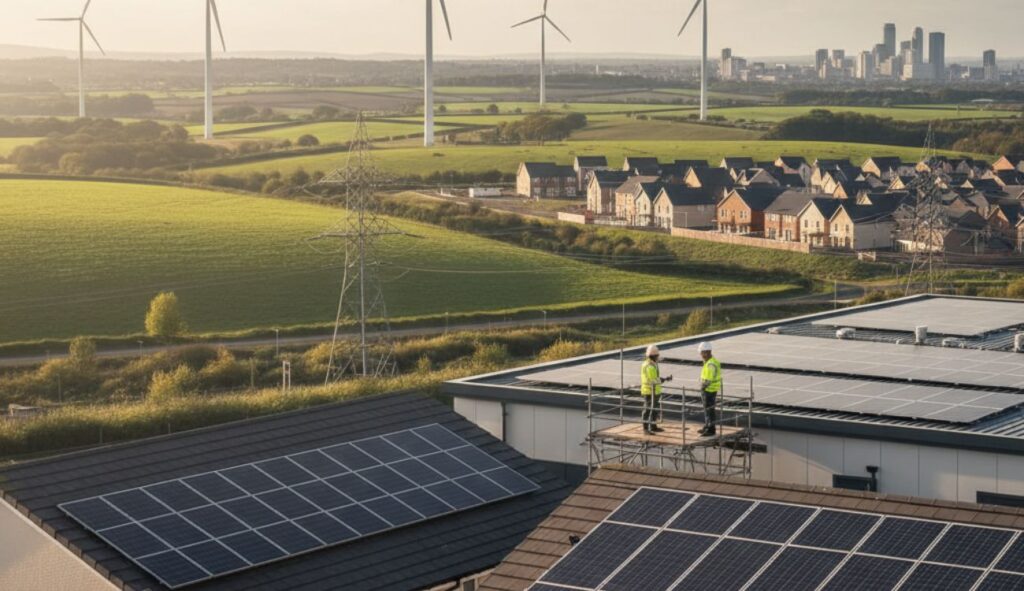

The best jobs in renewable energy reveals a thriving UK sector projected to support up to 860,000 roles by 2030, driven by ambitious clean power targets and investments in wind, solar, and low-carbon heating.
With growth outpacing many industries and average salaries often exceeding £50,000 in key areas, these careers offer stability, purpose, and progression.
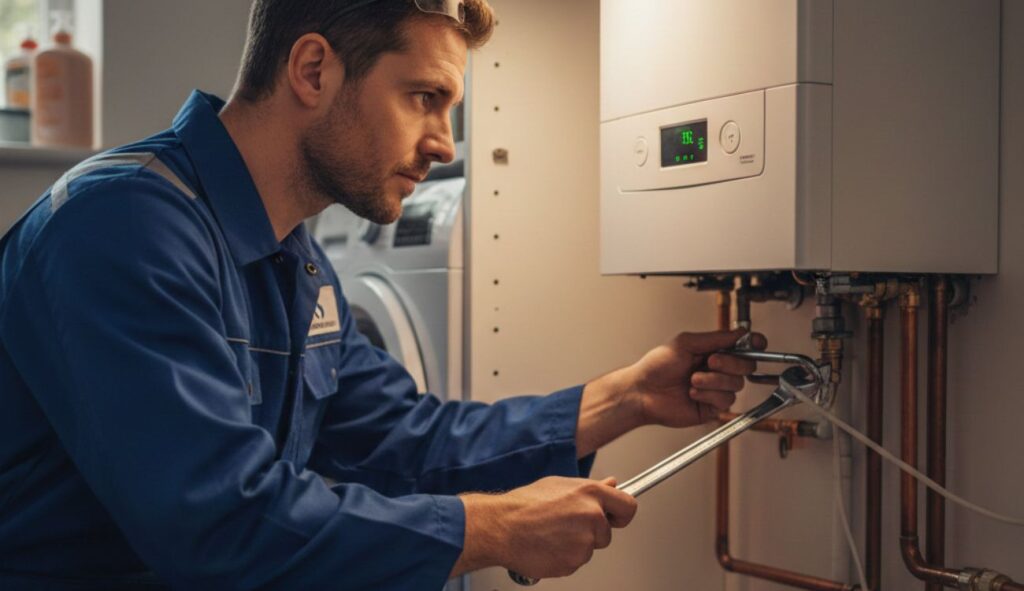
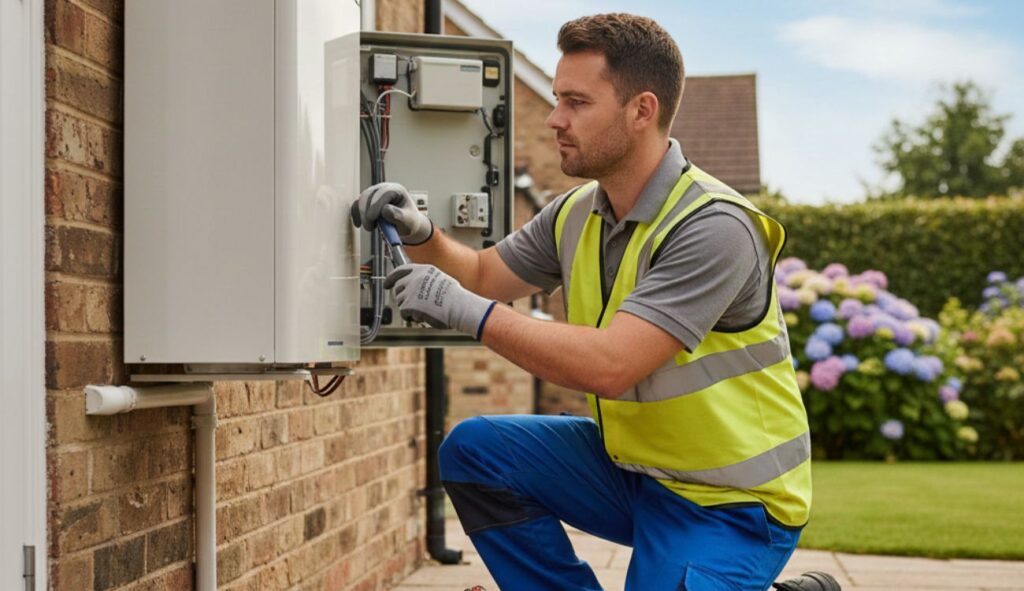
Among standout options, air source heat pump installation emerges as particularly accessible and rewarding amid surging demand for efficient home heating solutions.
Which Are the Top Jobs in Renewable Energy in the UK?
The top jobs in renewable energy in the UK span technical installation, engineering, project management, and consultancy, with wind turbine technicians, solar PV installers, renewable energy engineers, and heat pump specialists leading due to massive infrastructure expansion.
Offshore wind alone could exceed 100,000 roles by 2030, while domestic decarbonisation fuels demand for low-carbon heating experts. To illustrate earning potential, here’s a table of estimated average salaries for key renewable energy positions in the UK (2026 figures):
| Job Title | Average Salary Range (GBP) |
|---|---|
| Wind Turbine Technician | £35,000 – £50,000 |
| Solar PV Installer | £30,000 – £45,000 |
| Renewable Energy Engineer | £38,000 – £60,000 |
| Heat Pump Installer | £40,000 – £75,000 |
| Renewable Energy Project Manager | £50,000 – £85,000 |
| Renewable Energy Consultant | £35,000 – £60,000 |
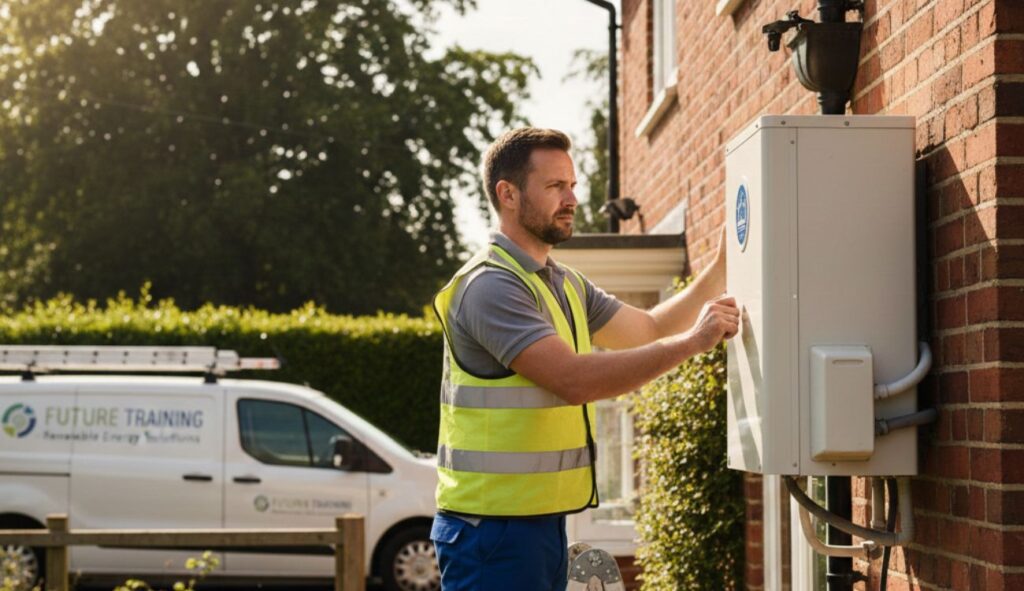
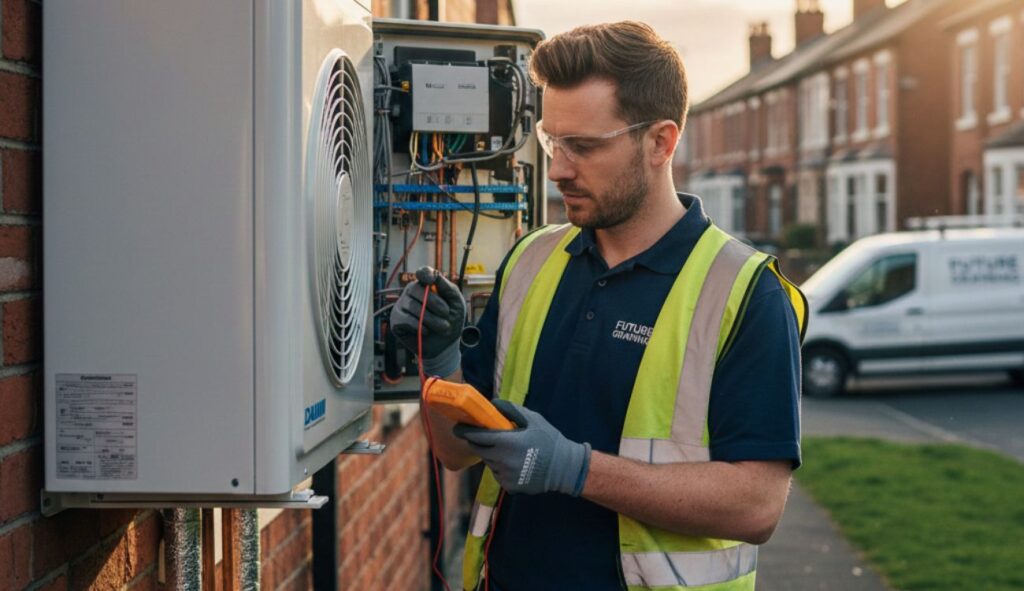
Heat pump installation ranks highly for its quick entry via specialised training and alignment with government grants like the Boiler Upgrade Scheme. Future Group Training’s BPEC-certified courses in South Shields, such as the 3-Day Domestic Air Source Heat Pump programme at £654, provide hands-on skills to launch or advance in this vital field.
Hands-On Installation Roles
Technicians in wind, solar, and heat pumps enjoy practical work with growing demand; air source systems offer domestic focus and rapid qualification paths.
Engineering and Design Positions
Engineers design efficient systems, commanding higher pay with expertise in emerging tech like hybrids or storage integration.
Why Is Heat Pump Installation One of the Best Renewable Energy Jobs?
Heat pump installation is one of the best renewable energy jobs due to the acute skills shortage, government-backed targets for 600,000 annual deployments by 2028, and salaries reaching £75,000 for experienced professionals.
This role directly supports household decarbonisation, offering job security and fulfilment in sustainable impact. Future Group Training excels in preparing entrants with practical BPEC qualifications, including the 2-Day Low Temperature Hot Water Heating Systems course at £474, ensuring you’re equipped for compliant, high-quality installations eligible for incentives.
[/vc_column_text][/vc_column][/vc_row]Accessibility for Career Changers
Tradespeople like plumbers transition easily, building on existing skills for faster upskilling and immediate opportunities.
Contribution to Net Zero
Installers reduce emissions significantly, aligning with national priorities while accessing steady, grant-driven work.
What Qualifications Are Needed for the Best Renewable Energy Jobs?
The qualifications needed for the best renewable energy jobs include vocational NVQs, apprenticeships, or specialised certifications like BPEC or MCS for installation roles, with degrees beneficial for engineering or management.
Entry often starts at Level 2/3 in plumbing or electrical for hands-on positions. Future Group Training’s affordable, intensive programmes—such as the 1-Day Domestic Hot Water Storage Systems (Unvented) G3 at £288—deliver recognised credentials that meet industry standards, positioning you for MCS accreditation and thriving in high-demand renewables.
[/vc_column_text][/vc_column][/vc_row]Pathways for New Entrants
Apprenticeships combine pay with training, while short courses suit switchers seeking quick certification.
Advanced Credentials for Progression
MCS and manufacturer-specific awards enhance employability; Future Group Training’s suite supports full pathways to expert status.
[/vc_column_text][/vc_column][/vc_row]How Is the Renewable Energy Job Market Growing in the UK?
The renewable energy job market is growing in the UK at an impressive rate, with clean energy roles expected to nearly double to 860,000 by 2030, fuelled by investments in offshore wind, solar, and heating upgrades.
This expansion addresses skills gaps while offering above-average pay and regional opportunities. Future Group Training’s expert-led courses in the North East empower you to join this boom, providing practical expertise for roles in low-carbon technologies and contributing to a greener future.
[/vc_column_text][/vc_column][/vc_row]Regional Opportunities
Coastal areas lead in wind, while nationwide demand rises for domestic renewables like heat pumps.
Future-Proof Career Benefits
Roles resist economic shifts, with ongoing CPD ensuring long-term advancement in innovative fields.
FAQs
What work-life balance can you expect in renewable energy roles?
Many positions offer flexible schedules, site-based variety, or hybrid options, particularly in consultancy, reducing burnout compared to traditional energy sectors.
How do international opportunities arise in UK renewable careers?
Experience gained here transfers globally, with UK firms operating overseas projects in wind and solar, opening doors to expatriate roles.
Are there part-time or freelance options in renewables?
Yes, especially for consultants or experienced installers, allowing portfolio careers in advisory or independent contracting.
What diversity initiatives exist in the renewable energy sector?
Organisations promote inclusion through targeted apprenticeships and partnerships, aiming to boost women and underrepresented groups in technical roles.
How does collaboration with other trades benefit renewable jobs?
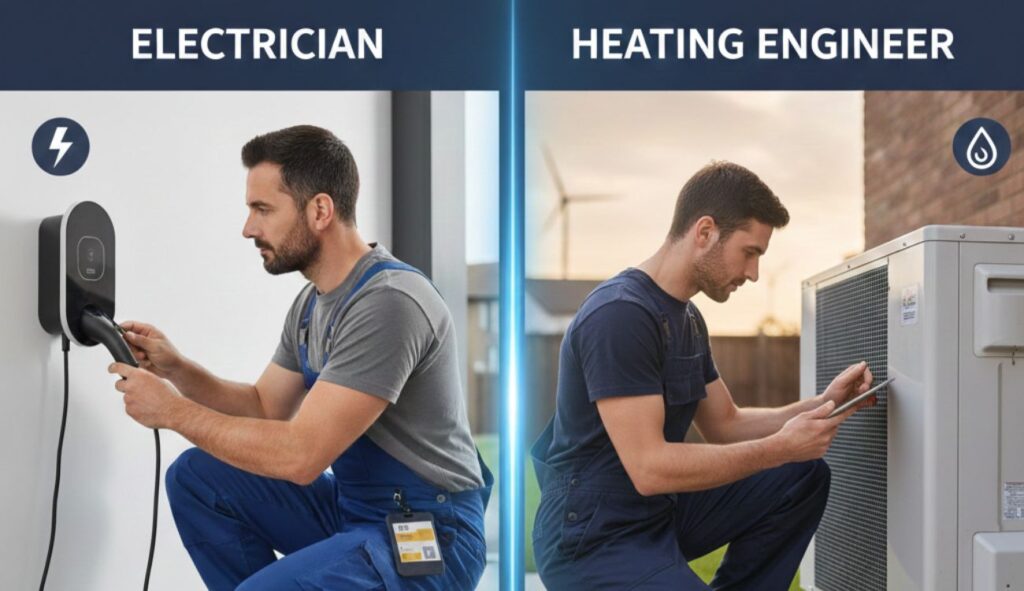
Interdisciplinary work with electricians or builders enhances projects, fostering networks and broader skill application in integrated systems.
[/vc_column_text]