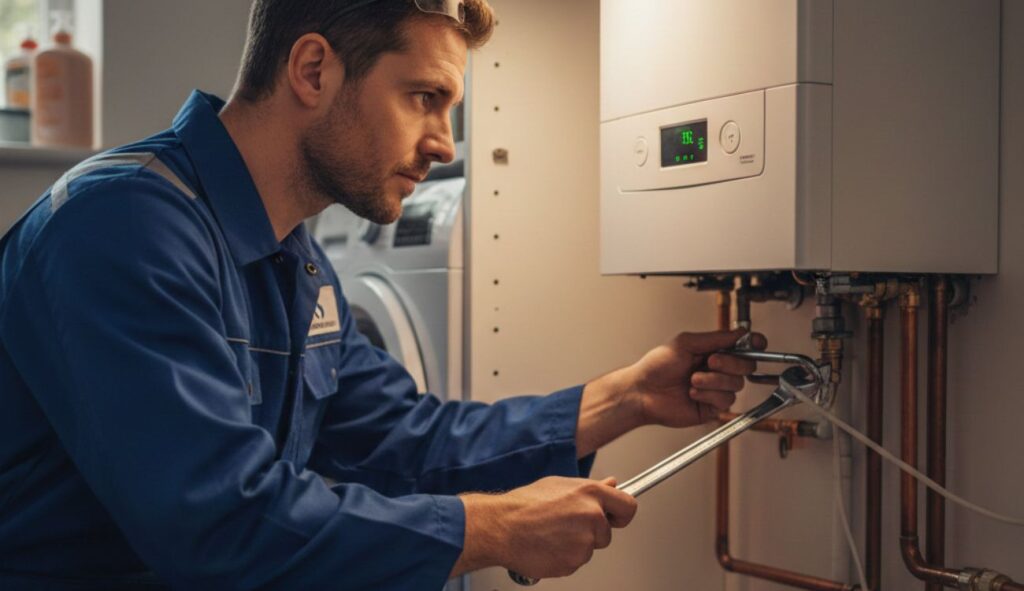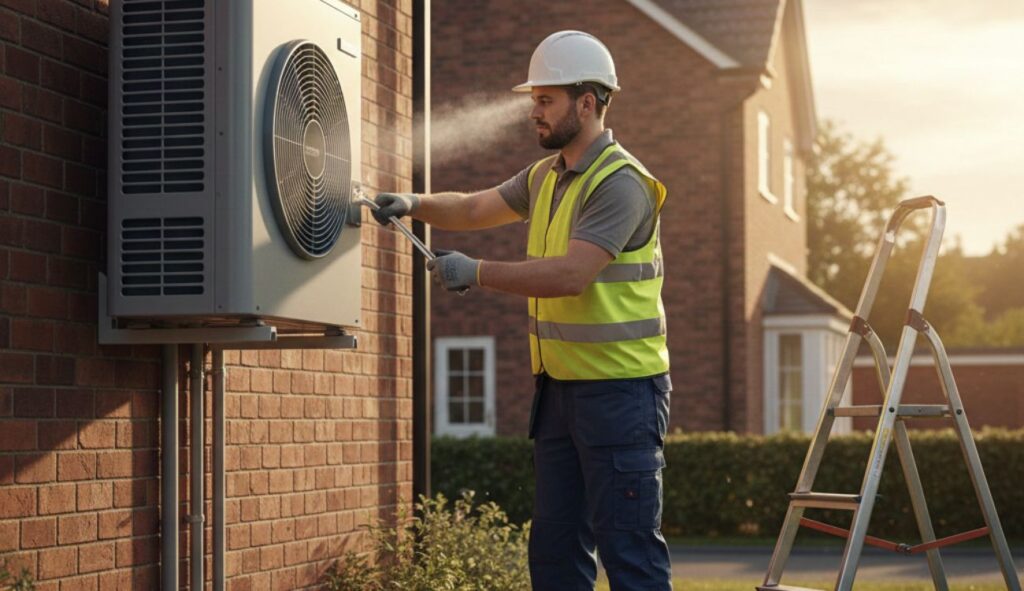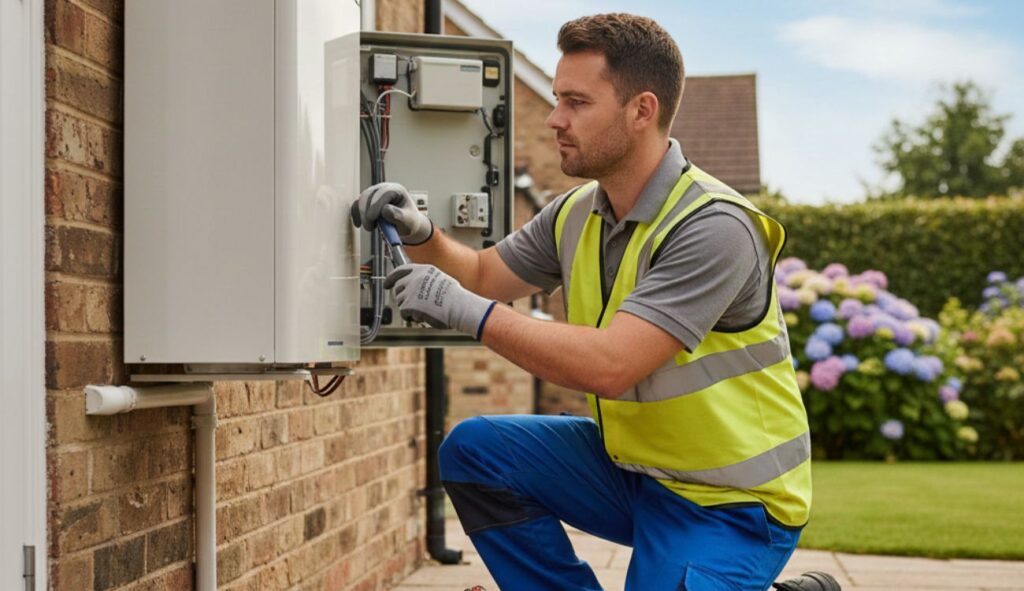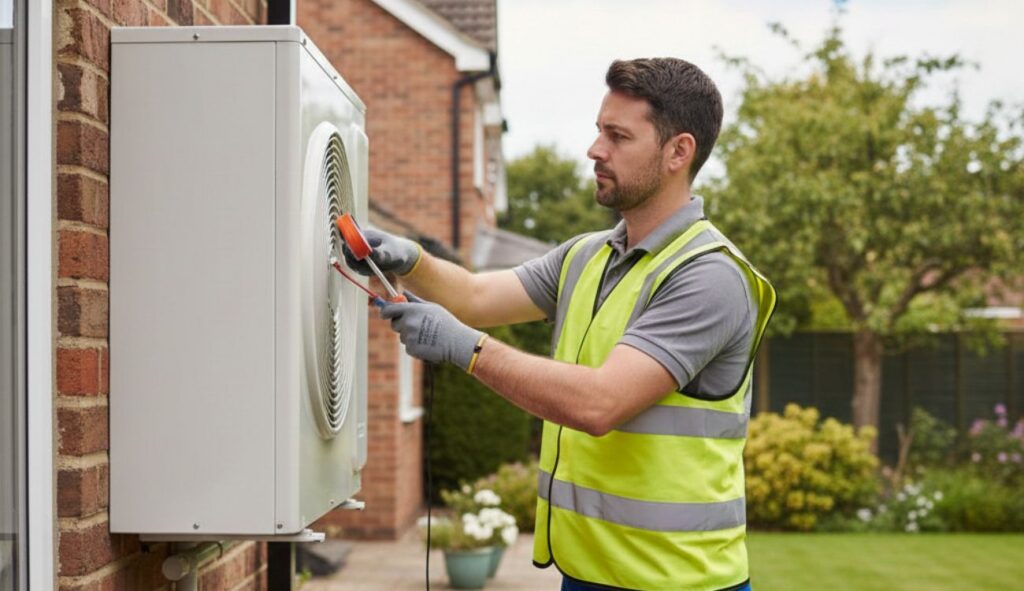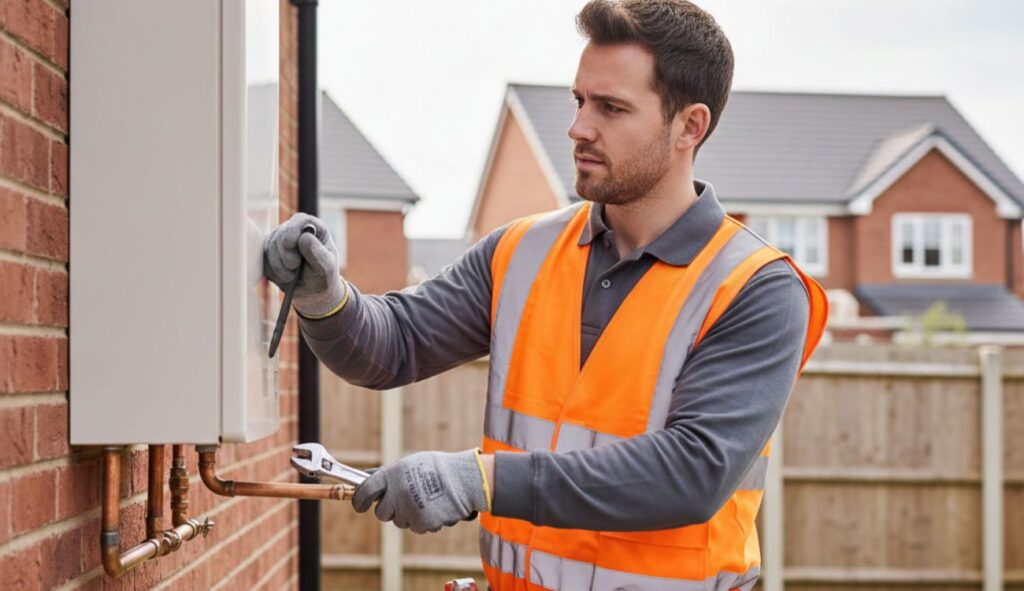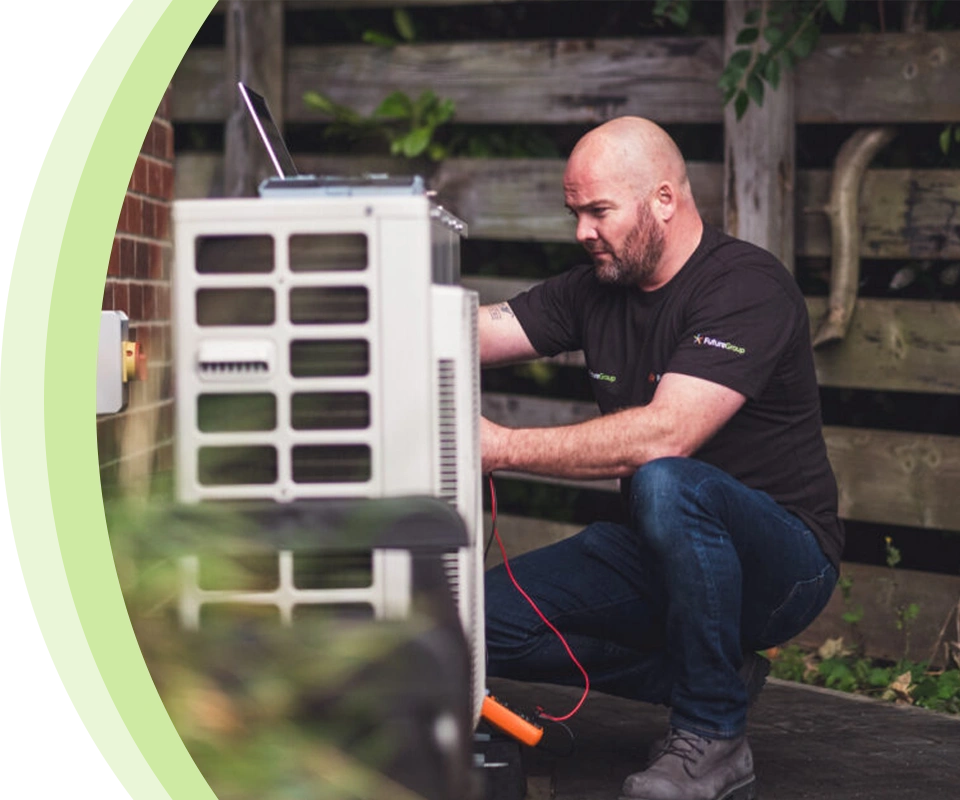

The benefits of air source heat pump training for installers and engineers are transforming careers in the UK’s heating sector, offering access to a rapidly expanding market driven by net zero ambitions and government incentives like the £7,500 Boiler Upgrade Scheme.
As demand surges towards 600,000 annual installations by 2028, qualified professionals enjoy enhanced skills, competitive salaries often exceeding traditional roles, and the opportunity to lead in sustainable technology.
Providers like Future Group Training deliver BPEC-certified, hands-on courses that equip you with practical expertise, making it easier to transition and thrive in low-carbon heating systems.
What Are the Key Benefits of Air Source Heat Pump Training for Installers and Engineers?
The key benefits of air source heat pump training for installers and engineers include gaining specialised skills that open doors to high-demand jobs, increased earning potential, and future-proofing your career in renewables.
Training covers essential aspects like system design, installation, commissioning, and maintenance, enabling you to deliver efficient, compliant setups that qualify for government grants.
This expertise addresses the national installer shortage, boosting your employability and allowing diversification of services.
Future Group Training’s BPEC-accredited programmes, such as the 3-Day Domestic Air Source Heat Pump Course at £654 with up to 15% discounts, provide intensive practical sessions in Newcastle, ensuring you’re confident and ready to capitalise on the booming sector.
Enhanced Professional Competence
Mastering air source systems improves installation quality, reducing callbacks and building client trust, while hands-on workshops at Future Group Training simulate real scenarios for immediate skill application.
Compliance and Certification Advantages
BPEC qualifications from Future Group Training meet standards for MCS registration, essential for grant-eligible work and professional credibility in the industry.
How Does ASHP Training Boost Earning Potential for Heating Professionals?
ASHP training boosts earning potential for heating professionals by qualifying you for premium roles in a sector where experienced installers can earn £40,000–£65,000 annually, with self-employed specialists reaching higher through grant-supported projects.
The skills gap drives competitive salaries, often £7,000–£10,000 more than traditional gas engineering. By adding heat pump services, you attract eco-conscious clients willing to invest in efficient systems.
Enrolling in Future Group Training’s affordable courses, like the 2-Day Low Temperature Hot Water Heating Systems at £474, positions you to command higher rates and secure steady work in the growing renewable market.
Access to Incentive-Driven Installations
Certified installers benefit from the Boiler Upgrade Scheme’s £7,500 grants, increasing project volumes and revenue without upfront client costs.
Long-Term Income Growth
As expertise builds, opportunities in servicing, hybrids, and consultancy arise, with Future Group Training graduates leveraging their certifications for sustained high earnings.
Why Is Air Source Heat Pump Training Essential for Career Progression?
Air source heat pump training is essential for career progression because it aligns your skills with the UK’s decarbonisation goals, shifting from fossil fuels to efficient renewables and ensuring job security amid policy changes.
It enables transitions from gas or plumbing roles, expanding your scope to include advanced low-carbon technologies.
Future Group Training’s practical, expert-led courses in the North East, including the 1-Day Domestic Hot Water Storage Systems (Unvented) G3 at £288, offer the foundational and specialised knowledge needed to advance to supervisory or independent positions in a field projected for massive expansion.
Future-Proofing Against Industry Shifts
With targets scaling installations dramatically, trained engineers avoid obsolescence and lead in emerging hybrid and smart systems.
Networking and Employer Appeal
Completing recognised programmes like those at Future Group Training connects you to industry networks, enhancing visibility to employers seeking qualified talent.
How Can Training Improve Job Satisfaction and Sustainability Impact?
Training can improve job satisfaction and sustainability impact by empowering you to contribute meaningfully to environmental goals, installing systems that cut household emissions significantly while delivering modern, efficient heating solutions.
Professionals report greater fulfilment from working with innovative technology and helping clients reduce bills. Future Group Training emphasises real-world application in their BPEC courses, fostering pride in craftsmanship and aligning your work with national net zero priorities for a rewarding, purpose-driven career.
Client and Community Benefits
Trained installers educate homeowners on energy savings, building lasting relationships and positive reputations in local communities.
Personal Environmental Contribution
By specialising in air source heat pumps, you directly support greener homes, enhancing professional legacy in the fight against climate change.
FAQs
What support is available for first-time heat pump installations post-training?
Many manufacturers offer supervised commissioning or technical helplines for initial projects, easing the transition for newly qualified engineers.
How do air source heat pumps perform in older UK properties?
With proper sizing and low-temperature upgrades, they efficiently heat period homes, often paired with radiators or underfloor systems for optimal results.
Are there opportunities for specialising in commercial heat pump projects?
Yes, advanced training opens doors to larger-scale installations in businesses and public buildings, expanding service offerings beyond domestic work.
What role does ongoing CPD play after initial ASHP training?
Continuous professional development keeps skills current with new models and regulations, often required for maintaining MCS status and insurance.
How can ASHP-trained engineers diversify into related renewables?
Skills transfer easily to ground source systems or solar integration, allowing bundled services for comprehensive energy-efficient solutions.